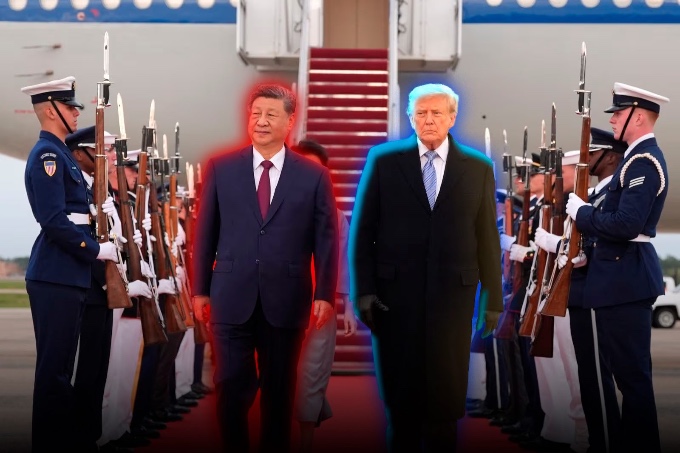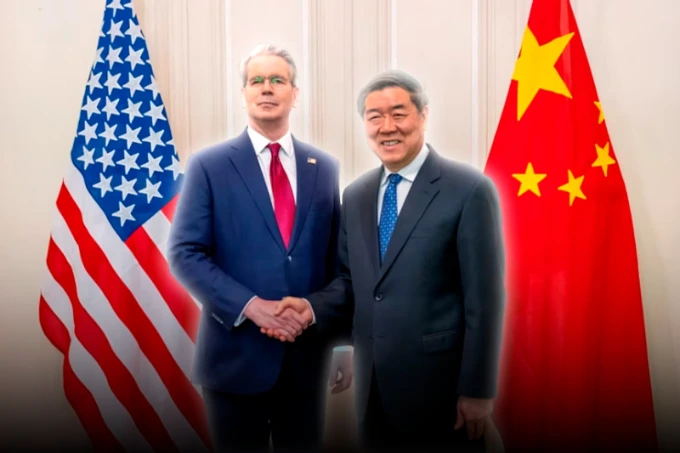

The United States and China agreed to extend the commercial truce they had in place until January 10, a decision announced by U.S. Treasury Secretary Scott Bessent. The extension allows the administration of Donald Trump to buy time to negotiate a broader economic agreement without giving up the conditions that Washington seeks to obtain from Beijing.
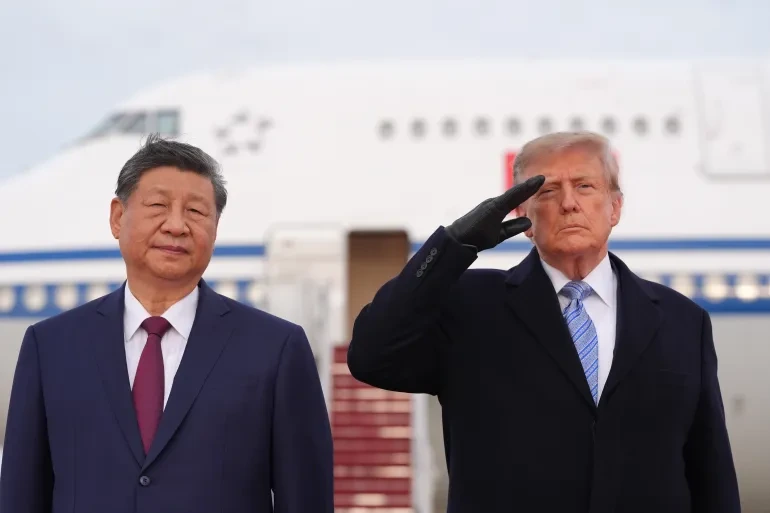
Bessent confirmed the agreement on Wednesday after meeting again with Chinese Vice Premier He Lifeng, Beijing's chief economic negotiator. The meeting took place after a round of talks held over the weekend in New York and is part of efforts to resolve outstanding issues before the meeting that Trump and Xi Jinping will hold in Washington.
''We met today to see if we could achieve a larger agreement instead of a series of small agreements,'' Bessent explained, noting that both parties decided to extend the so-called Busan Agreement until January 10. The pact was initially set to expire on November 10.
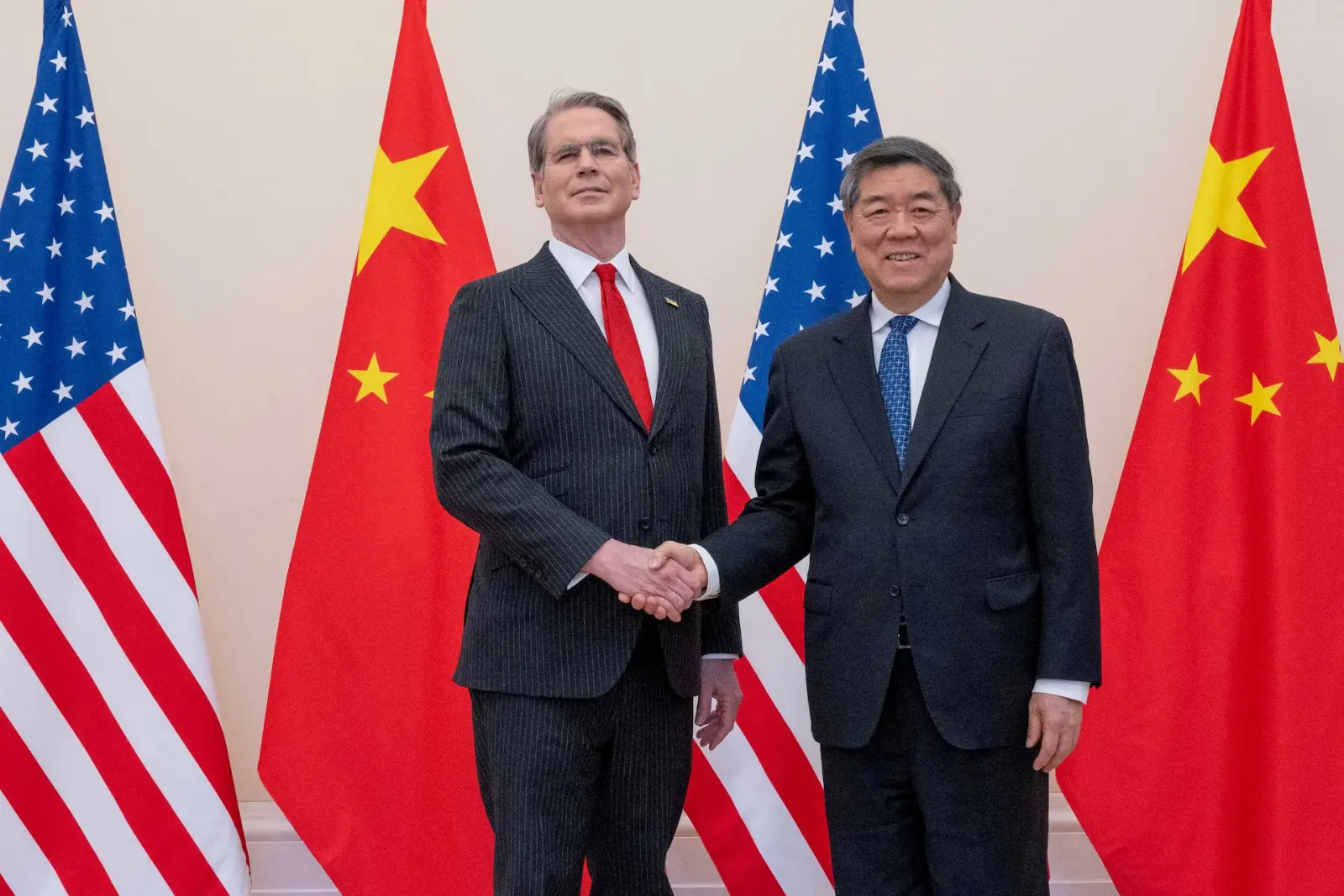
The extension represents an opportunity for Washington to maintain negotiating pressure while assessing China's compliance with its commitments. Bessent warned that some of Beijing's commitments still have not been fully met and pointed out that there are outstanding issues regarding agriculture and rare earth supply. The Trump administration seeks to ensure that any eventual broader agreement is accompanied by concrete and verifiable commitments.
One of the advances noted by Bessent was the increase in Chinese purchases of U.S. agricultural products. China has made progress in its soybean acquisitions, although the Treasury Secretary stated that Beijing continues to fall short of other agricultural commitments. According to information on the negotiations, Washington is also seeking greater guarantees regarding the supply of critical minerals and rare earths, essential resources for U.S. technology and defense industries.
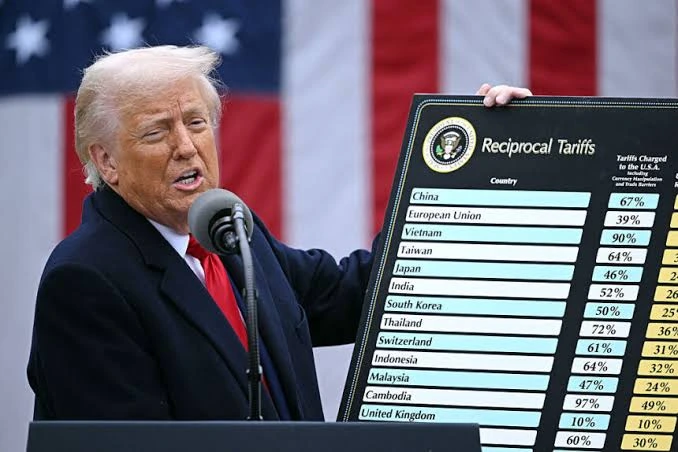
The Trump administration is also considering a reciprocal reduction of tariffs on products deemed non-sensitive. The proposal would allow for a reduction of tariffs applied to about $30 billion in goods on each side, although negotiations have not yet concluded and there is no definitive agreement on that package.