The initiative was rejected by a wide bipartisan majority amid questions about ignoring the threat of Hezbollah and the role of the US in Lebanon
Nuevo
Agregar La Derecha Diario en
Compartir:
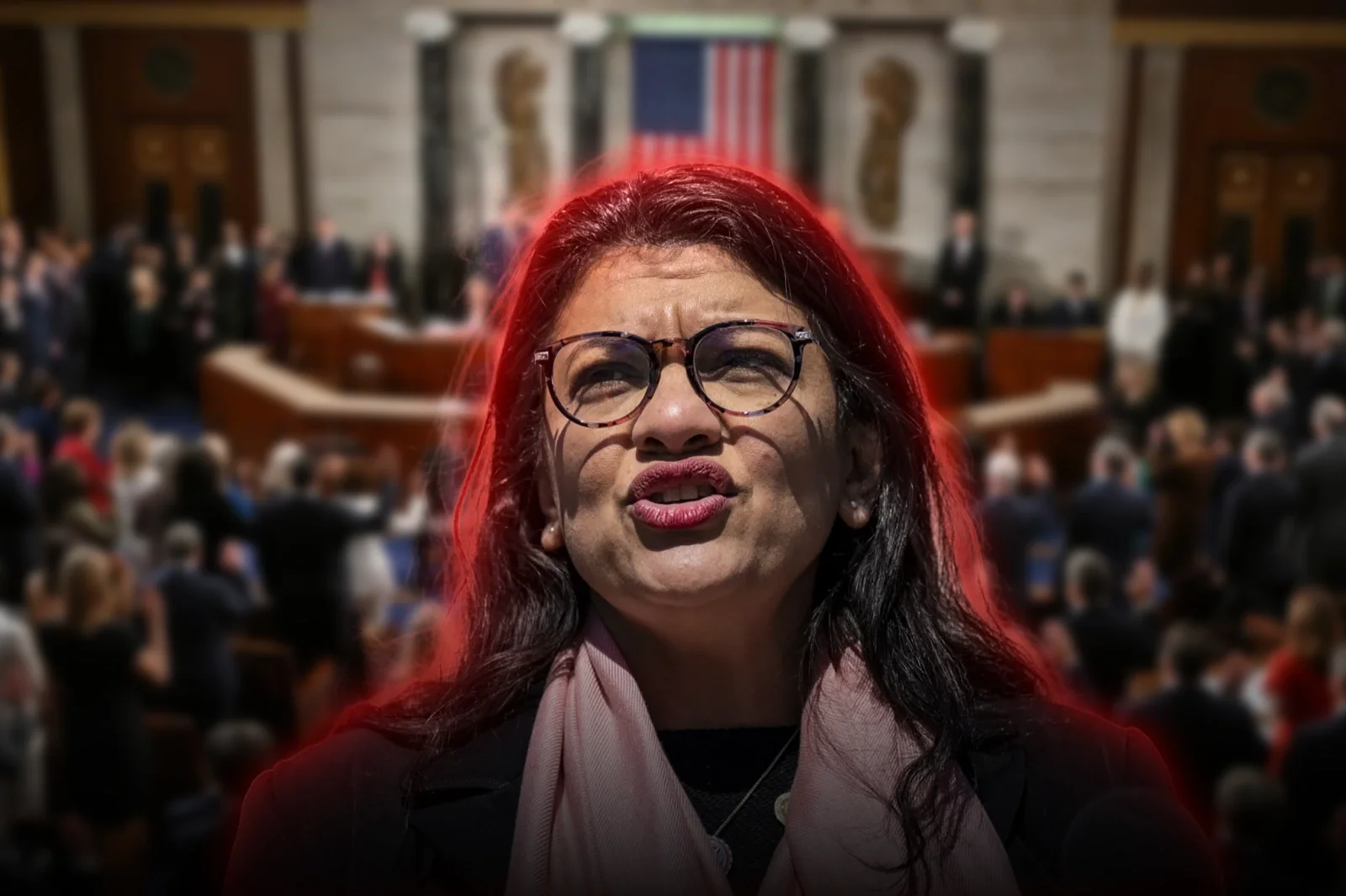
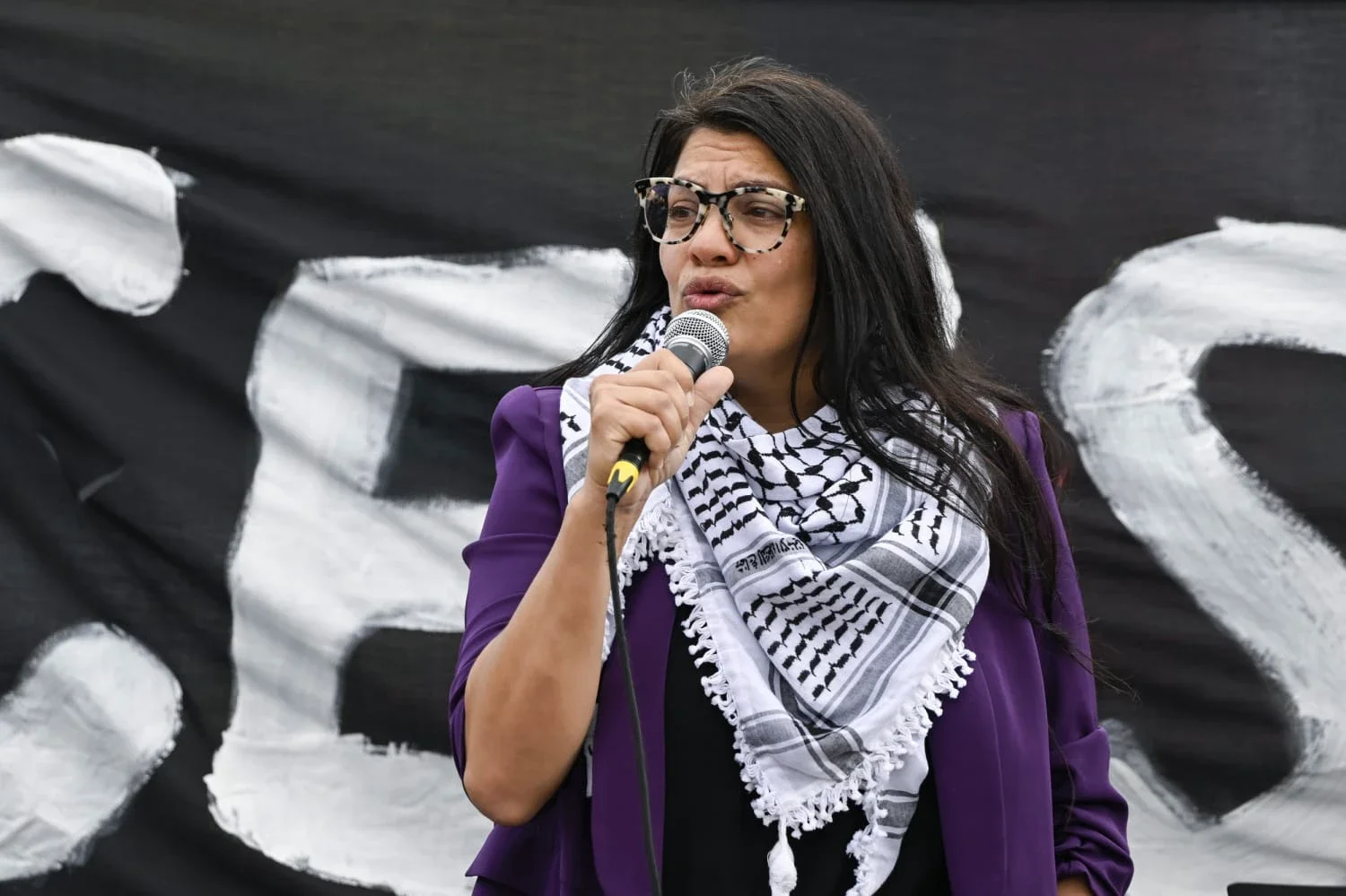
The U.S. House of Representatives rejected on Tuesday a resolution presented by communist Democratic Congresswoman Rashida Tlaib that sought to restrict any U.S. military involvement in Lebanon without Congressional authorization. The initiative was defeated by a wide margin in a bipartisan vote, reflecting the scant support it found even within the Democratic Party.
The proposal received 189 votes in favor and 235 against. The majority of Republicans were joined by 22 Democratic lawmakers to reject the measure, while the only Republicans who voted in favor were Thomas Massie and Lauren Boebert.
The resolution aimed to prohibit U.S. Armed Forces from participating in ''any hostilities'' on Lebanese territory without prior Congressional authorization. However, numerous lawmakers questioned the need for the initiative, pointing out that the United States does not maintain combat operations in Lebanon nor is it currently involved in the war between Israel and the terrorist group Hezbollah.
Democratic socialist Rashida Tlaib pushed for a resolution to prevent US military training actions in Lebanon and lost support even among Democratic sectors
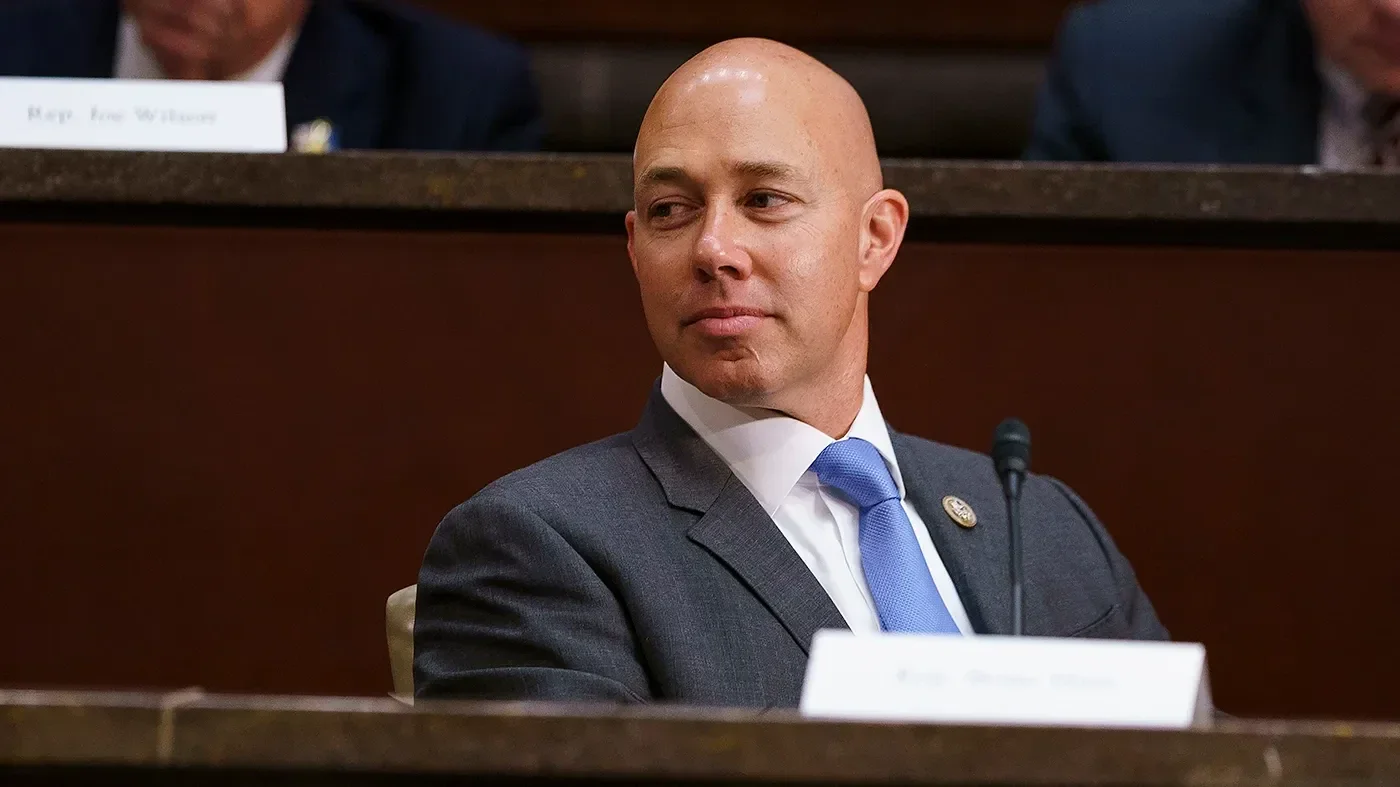
During the debate on the House floor, the chairman of the Foreign Affairs Committee, Brian Mast, argued that the proposal was unfounded due to the absence of U.S. forces involved in combat within the country.
''There are no U.S. combat forces conducting operations or participating in hostilities in Lebanon,'' Mast stated. The lawmaker explained that the U.S. military presence is limited to training and supporting the Lebanese Armed Forces, cooperation aimed at strengthening the army's capacity to confront Hezbollah.
Mast added that the Iran-backed group maintains a significant presence in southern Lebanon and continues to pose a threat to Israel. He stated that thousands of Hezbollah fighters remain active in the region, thus justifying military cooperation between Washington and Beirut.
The resolution constituted Rashida Tlaib's second attempt to push a measure based on the War Powers Act to limit President Donald Trump's authority regarding any potential use of military forces in Lebanon.
The chairman of the House Foreign Affairs Committee launched harsh criticisms against the Muslim initiative
Earlier this month, the Democrat presented a broader version that received strong criticism from lawmakers of both parties. Her detractors argued that the initiative would have forced the withdrawal of military personnel tasked with protecting the U.S. embassy in Beirut and restricted assistance provided to the Lebanese Armed Forces, which are fighting Hezbollah in various areas of the country.
In response to those criticisms, Rashida Tlaib modified the new text to explicitly exclude missions to protect diplomatic personnel and maintain cooperation with the Lebanese army. However, the modifications did not change the perception of a majority of representatives, who continued to consider the resolution unnecessary.
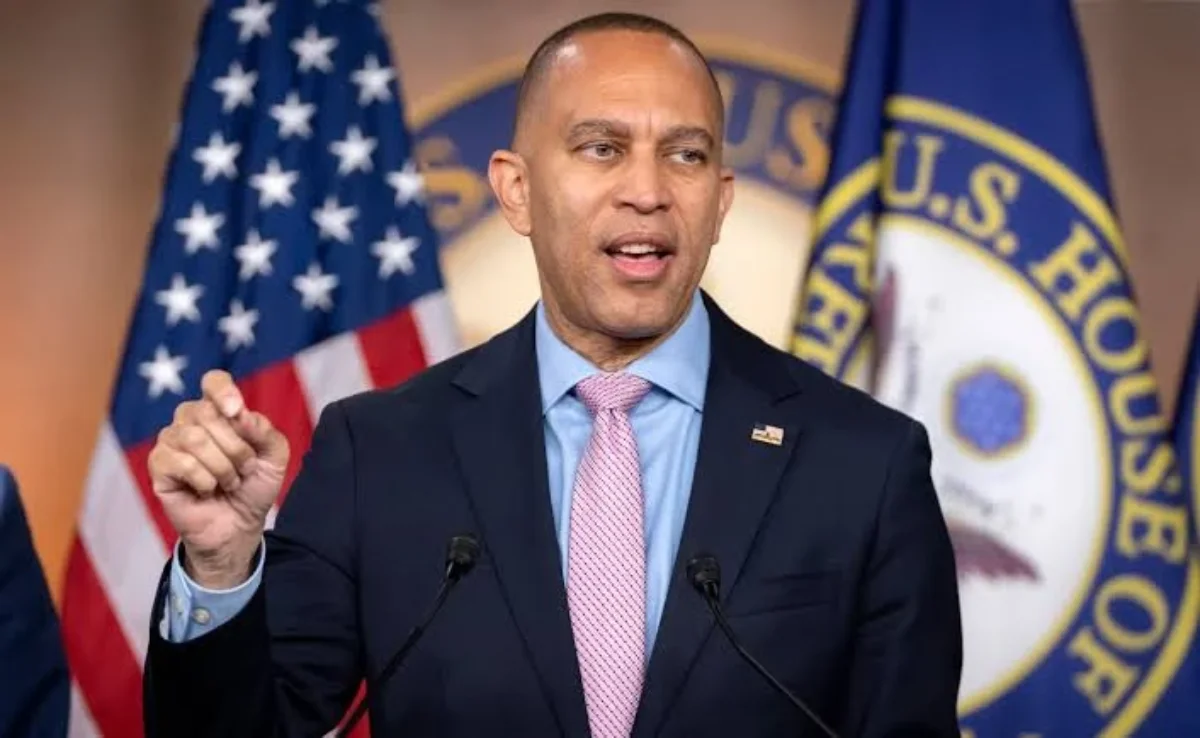
The Democratic minority leader in the House, Hakeem Jeffries, supported the initiative along with most of the Democratic caucus by defending Congress's constitutional role in authorizing the use of military force. However, the defection of 22 Democratic lawmakers highlighted internal differences within the party regarding U.S. foreign policy in the Middle East.
The delirious Hakeem Jeffries supported Tlaib's initiative along with a large part of the Democratic caucus in the House of Representatives
For his part, the leading Democrat on the Foreign Affairs Committee, Gregory Meeks, defended the proposal by stating that it would help keep the United States out of ''another endless war'' that, in his view, does not serve the national interest.
Tlaib, the only Palestinian-origin congresswoman in Capitol Hill, has become one of the most critical voices of Israel within the Democratic Party. The lawmaker has repeatedly accused the Israeli government of committing acts of ''ethnic cleansing'' both in Gaza and in Lebanon, statements that have generated strong criticism from Republican lawmakers and pro-Israel sectors.
Her opponents argue that this rhetoric downplays the threat posed by Hezbollah, an organization considered terrorist by the United States and many other countries, and indirectly favors the narrative of the Iran-backed group. In fact, several lawmakers pointed out that the resolution presented by Tlaib made no reference to Hezbollah, despite the fact that the organization is in an armed conflict with Israel and continues to launch attacks from Lebanese territory.
As a concurrent resolution, the initiative had a primarily symbolic character and would not have been sent to President Trump for enactment or veto even if it had been approved. Its defeat, however, highlighted the broad consensus in the House of Representatives to maintain military cooperation with the Lebanese Armed Forces and preserve the United States' ability to respond to potential threats from Hezbollah or other Iran-backed groups.
Even if the resolution had passed the vote, it was symbolic in nature and President Trump would not have been obligated to consider signing it