





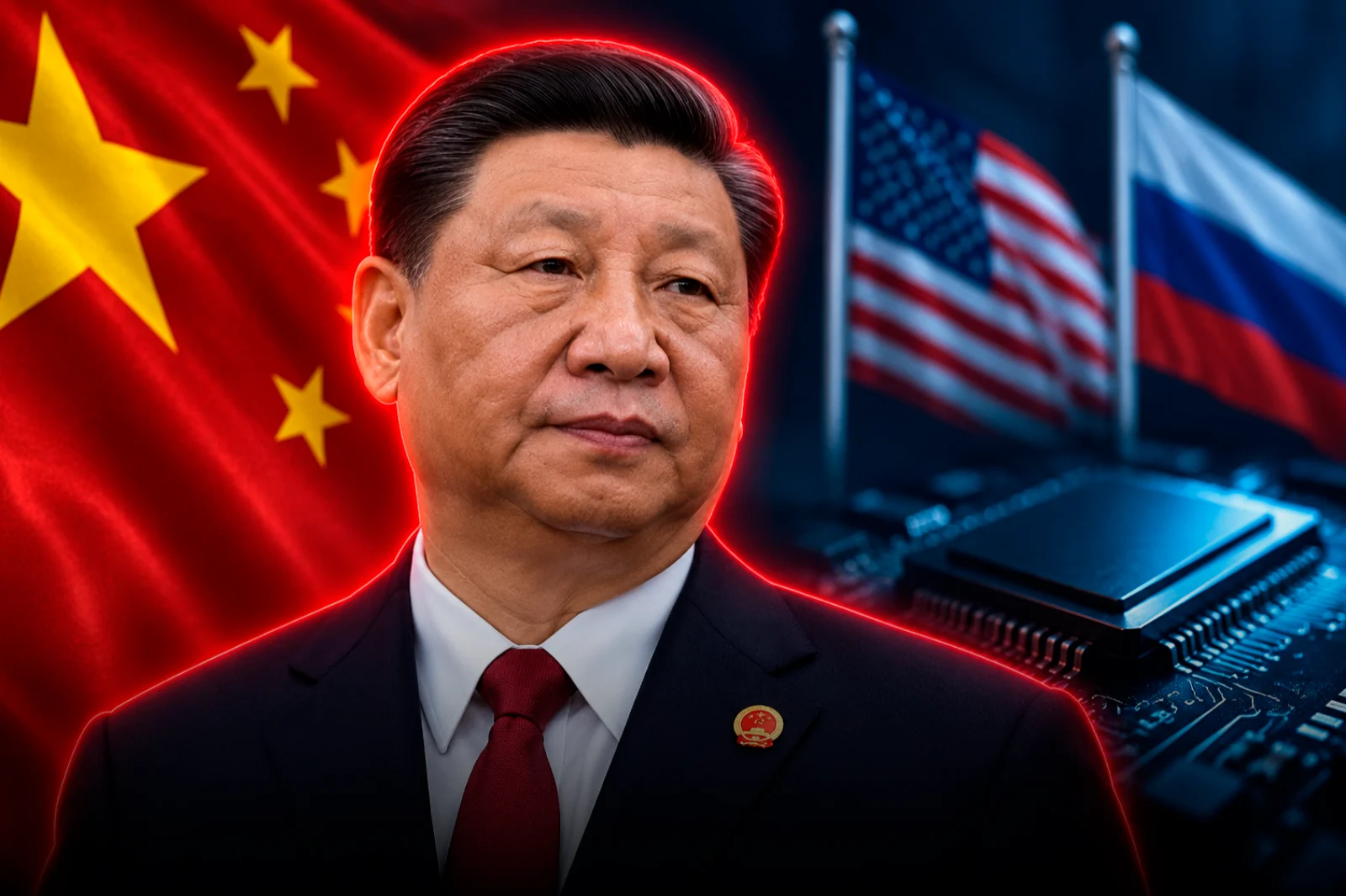

The United States and nine other countries signed an international agreement to protect strategic technologies and critical infrastructures that support the development of artificial intelligence, in an initiative driven by the government of Donald Trump to strengthen Western supply chains and reduce vulnerabilities against the growing technological competition from China.
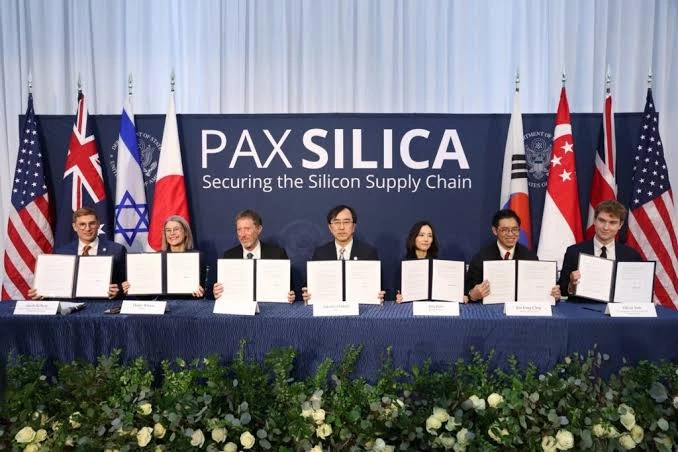
The declaration, titled ''San Francisco Declaration on the Secure Foundations of Enduring Prosperity'', was signed on Sunday during the founding meeting of ''Pax Silica'', an initiative led by Washington to coordinate the protection of essential components of the technology industry. The agreement represents a new step in the U.S. strategy to build international alliances that ensure secure access to semiconductors, critical minerals, energy, advanced manufacturing, and logistical networks.
The countries that initially subscribed to the document alongside the United States are Australia, India, Israel, Japan, South Korea, Qatar, Singapore, the United Arab Emirates, and the United Kingdom.
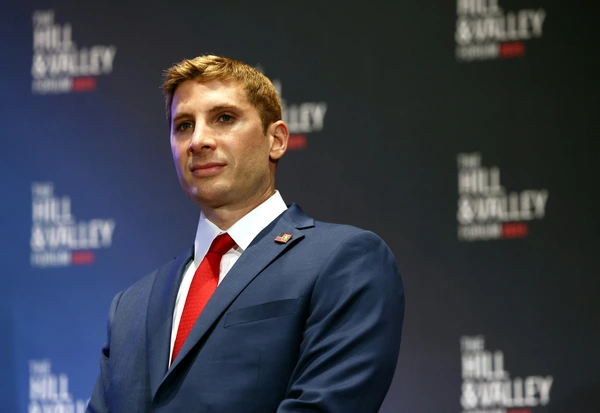
The U.S. Under Secretary of State for Economic Affairs, Jacob Helberg, who convened the meeting, explained that technological security requires much closer international cooperation, as different stages of production often take place in different territories.
''The knowledge to design a chip, the machine that manufactures it, and the port that transports it can be in different countries,'' Helberg noted.
In this regard, he emphasized that the historic nature of the declaration lies in the fact that the participants agreed to consider the protection of these technologies and the infrastructures that support them as a shared responsibility.
The official also confirmed that Germany, Sweden, the Netherlands, and the European Commission plan to join the document next week, which would expand the geographical scope of the initiative and strengthen cooperation between the United States and its European partners.
''Pax Silica'' was launched in Washington in December 2025, when Australia, Japan, South Korea, the United Kingdom, Singapore, Israel, and the United States signed its original declaration. Subsequently, during a second summit held in the U.S. capital on June 25 and 26, the initiative added ten more participants, including the European Union, Germany, Greece, and the Netherlands.