The Pentagon's updated list includes Alibaba, Baidu, and BYD amid rising national security concerns
Nuevo
Agregar La Derecha Diario en
Compartir:
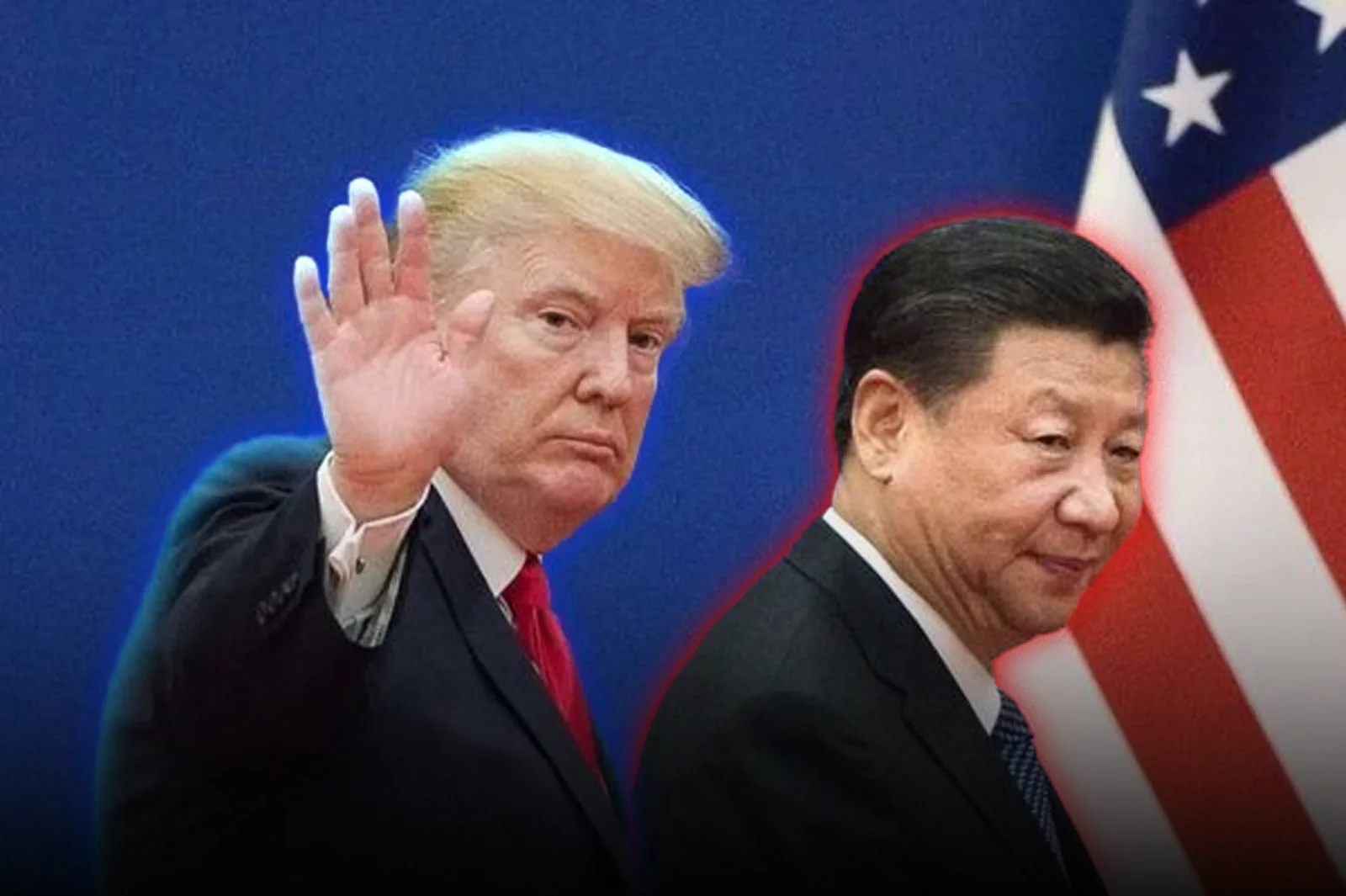
The administration of President Donald Trump took a new step in its strategy to counter the growing technological and economic influence of China by expanding the list of companies that, according to the U.S. Department of Defense, have ties to the Chinese military apparatus.
The Pentagon added several of the most important companies from the Asian giant to the so-called ''1260H list'', including Alibaba, Baidu, electric vehicle manufacturer BYD, and robotics company Unitree. The update also included Nio, another prominent firm in the electric vehicle sector, as well as battery manufacturers CALB Group and EVE Energy, and RoboSense, one of the leading Chinese developers of ''LIDAR'' sensors for autonomous driving systems.
The list was created under a provision of the 2021 National Defense Authorization Act and aims to identify companies that operate in support of China's military capabilities or have ties to the People's Liberation Army. Although inclusion does not imply immediate sanctions, it does increase the risk of future trade and financial restrictions for the listed companies, in addition to complicating their relationships with U.S. companies.
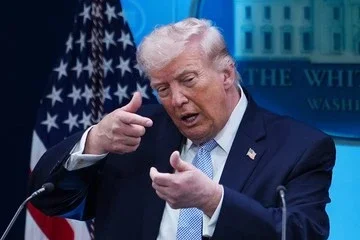
The Trump administration added numerous Chinese tech companies to a list of companies linked to Xi Jinping's armed forces
With this update, the registry reaches a total of 188 entities. The decision reinforces a policy that has gained momentum in recent years and seeks to limit China's access to strategic technologies deemed essential for U.S. national security.
The measure is particularly relevant as it affects some of the main Chinese players in cutting-edge sectors. Alibaba is one of the largest e-commerce platforms in the world, while Baidu has established itself as one of the leaders in artificial intelligence and autonomous vehicle development in China. BYD, for its part, has become one of the most important electric vehicle manufacturers globally and a direct competitor to Western companies.
The inclusion of these companies reflects Washington's growing concern about the possibility that technologies developed by seemingly private companies could end up being used to strengthen the military capabilities of the Chinese regime.
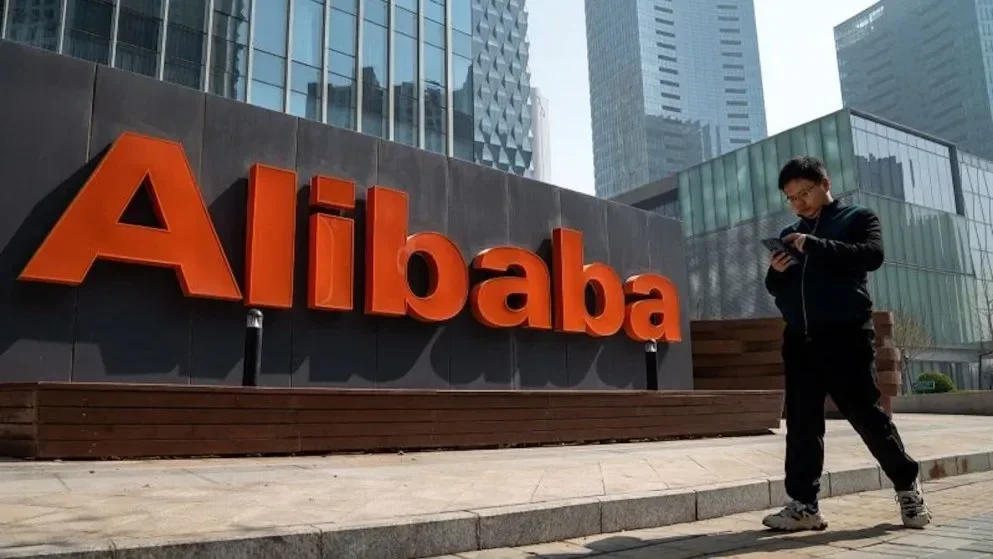
The e-commerce giant Alibaba is one of the companies included in the list presented by the Pentagon
U.S. officials have repeatedly argued that Chinese legislation requires companies to collaborate with authorities when requested, fueling doubts about the true independence of the country's tech sector.
The update also consolidates the Trump administration's approach to strategic competition with Beijing. During his terms, the Republican president has pushed measures aimed at reducing U.S. economic dependence on China and protecting industries deemed critical. These include controls on the export of advanced technology, restrictions on certain investments, and the imposition of high tariffs on Chinese products.
One of the most significant examples has been the 100% tariff applied to electric vehicles manufactured in China, a measure that the White House has defended as necessary to protect U.S. manufacturers against what it considers unfair trade practices and state subsidies granted by Beijing.
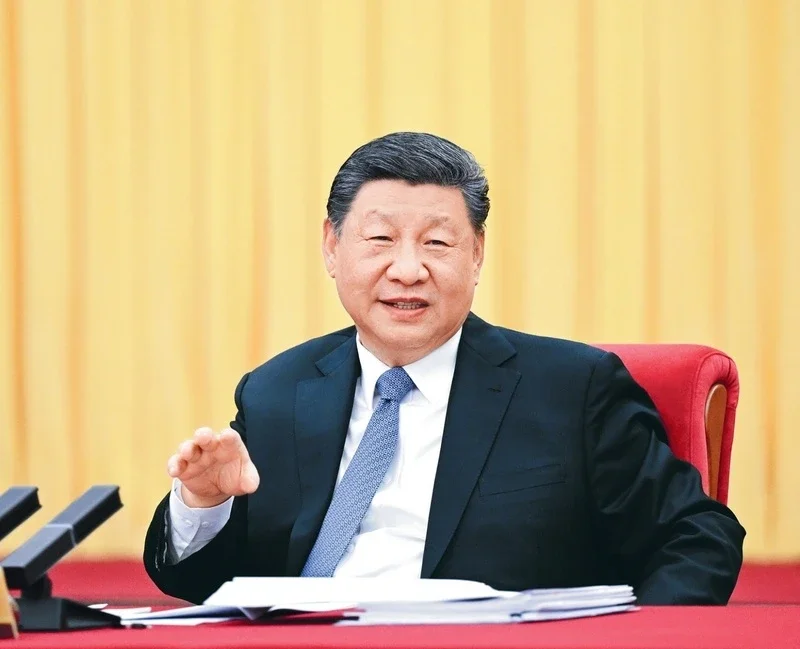
The regime of Xi Jinping forces companies operating in China to "collaborate" with the authorities when requested
The Pentagon's decision also highlights the importance that artificial intelligence and automation have acquired in the rivalry between the two largest economies in the world. With the inclusion of Baidu and Unitree, most of the major Chinese players in artificial intelligence are now on the list, after Tencent was previously added.
So far, Alibaba, Baidu, BYD, Nio, and RoboSense have not issued public comments regarding their inclusion on the registry. However, the measure anticipates new frictions between Washington and Beijing in a context of increasing competition for global technological leadership and 21st-century strategic security.