The U.S. government expanded the list of sanctioned Cubans and issued a new license regarding Russian oil.
Nuevo
Agregar La Derecha Diario en
Compartir:
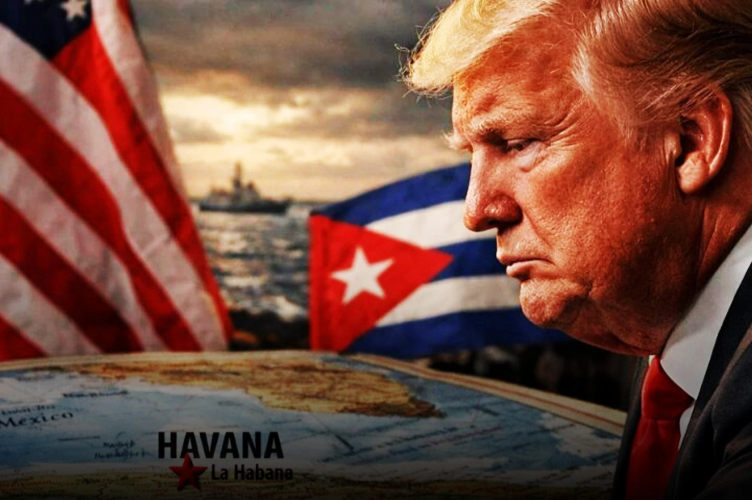
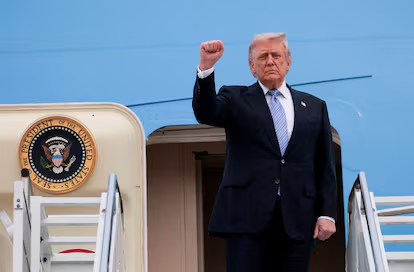
The administration of President Donald Trump announced a new offensive of economic and political sanctions against Russia and Cuba, in a measure that reinforces its strategy of international pressure on Washington's governments.
Through the Office of Foreign Assets Control (OFAC) of the Department of the Treasury, the United States issued General License 134C related to Russian oil trade and simultaneously expanded the Specially Designated Nationals (SDN) List with new additions linked to the Cuban regime.
The decision was interpreted as a demonstration of firmness from the White House against governments accused of authoritarian practices, political repression, and strategic alliances contrary to U.S. interests. The Trump administration maintains that economic sanctions continue to be one of the most effective tools to limit the international influence of these regimes without resorting to direct military actions.
In the case of Russia, OFAC issued General License 134C, titled ''Authorization for the delivery and sale of crude oil and petroleum products originating from the Russian Federation loaded on vessels as of April 17, 2026''. The measure temporarily authorizes certain operations related to the transportation and marketing of Russian oil loaded on vessels before April 17, 2026.
The Donald Trump administration established new sanctions against Russian oil and the Cuban regime.
U.S. officials noted that the license aims to avoid abrupt disruptions in the international energy market while maintaining financial and trade restrictions on Moscow. According to sources close to the administration, the strategy aims to exert economic pressure on Russia without causing severe imbalances in global energy supply or affecting Western allies that still partially depend on certain energy flows.
From conservative sectors in the U.S., it is highlighted that Trump's policy combines economic pragmatism with strong geopolitical firmness. Unlike previous administrations, the White House seeks to strategically utilize the financial power of the United States, allowing controlled transitions in the markets while gradually reducing the Kremlin's energy revenues.
However, the most striking aspect of the announcement was related to Cuba. OFAC confirmed the inclusion of nine Cuban officials and the Cuban Intelligence Directorate on the SDN List, which implies the blocking of assets under U.S. jurisdiction and international financial restrictions.
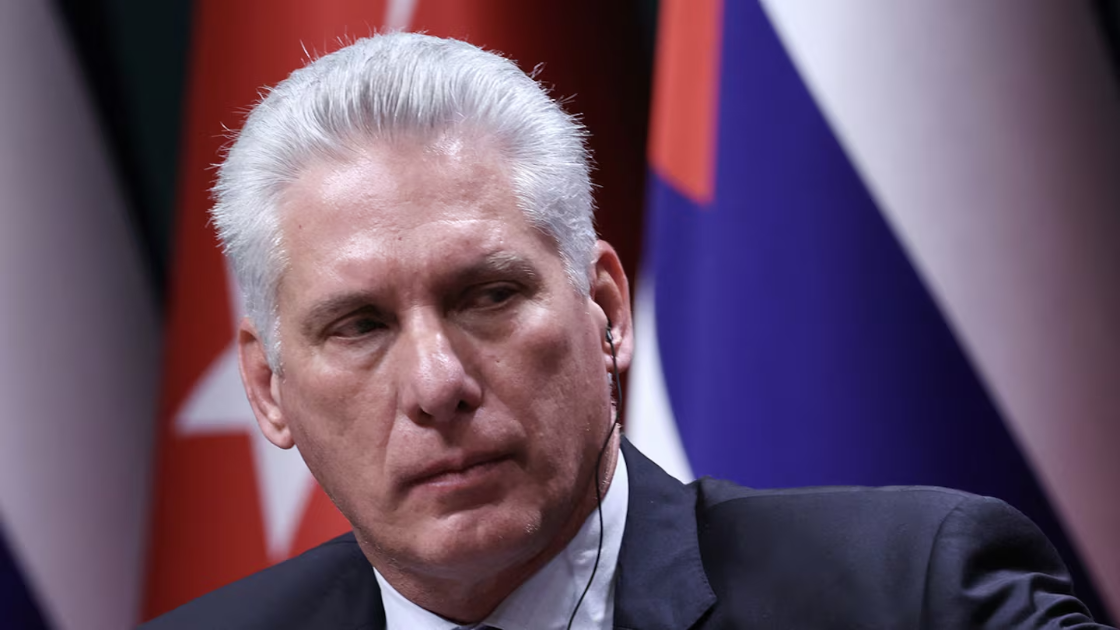
Among the battery of sanctions aimed at the Cuban regime, several officials associated with Miguel Díaz Canel are included.
Among the newly sanctioned are high-ranking officials of the Cuban political and security apparatus, including Juan Esteban Lazo Hernández, Roberto Tomás Morales Ojeda, and Raúl Villar Kessell, as well as other leaders linked to state structures. The Cuban Intelligence Directorate, historically known as DGI or G2, was also included, an agency long accused of espionage activities, internal surveillance, and persecution of political opponents.
The Department of the Treasury stated that these measures respond to concerns related to human rights violations and repressive actions attributed to the Cuban regime. The update also included modifications regarding already sanctioned entities, such as the Ministry of the Interior of Cuba and the National Revolutionary Police, agencies noted for their role in containing protests and internal political control.
The Trump administration defended the sanctions by stating that the United States should not legitimize or finance government structures linked to repression. Republican spokespersons emphasized that the measures are directed against specific officials and institutions, not against the Cuban population.
For years, the debate over policy towards Cuba has divided U.S. politics. While some progressive sectors have pushed for diplomatic rapprochement and trade flexibility, critics of those initiatives argue that the Cuban government used those economic reliefs to strengthen its state apparatus without implementing significant democratic reforms.
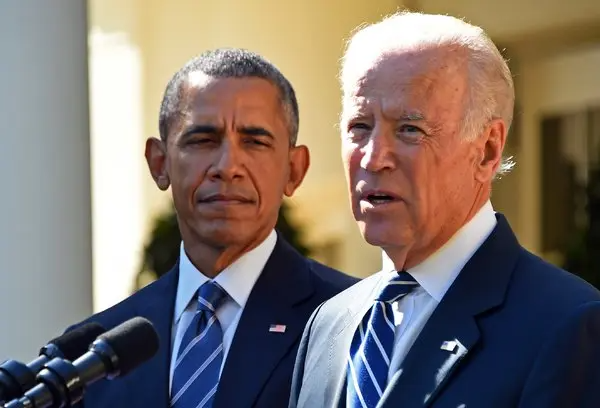
For many years, democratic governments like those of Biden or Obama granted very flexible concessions to the Cuban regime.
In this context, Trump has resumed a maximum pressure line similar to that applied during his first presidential term. His allies believe that the strategy aims to send an unequivocal message to Havana and other governments allied with Russia, Venezuela, and Iran about Washington's determination to confront structures considered hostile to Western democratic interests.
International analysts also pointed out that the sanctions have a strong symbolic and political component in Latin America. Cuba historically maintains significant regional influence in leftist ideological sectors and strategic relationships with governments opposed to the United States. For the White House, increasing pressure on the Cuban regime is part of a broader effort to contain rival geopolitical alliances in the Western Hemisphere.
On the domestic front, the measures also strengthen Trump's narrative of strong leadership in foreign policy. The president has insisted that the United States must regain international deterrence capacity through aggressive economic sanctions and negotiations from positions of strength.
Republican sectors believe that this approach contrasts with previous policies that were too conciliatory towards authoritarian governments. Financial and diplomatic pressure allows for the isolation of adversarial regimes using the weight of the global economic system and the international influence of the dollar as strategic tools.
The Trump administration adopted an economic and trade pressure strategy again to confront anti-democratic governments.