An important stretch of the California coast will pass into the hands of indigenous groups after a state commission backed by the communist governor Gavin Newsom approved the transfer of a public beach in Mendocino County.
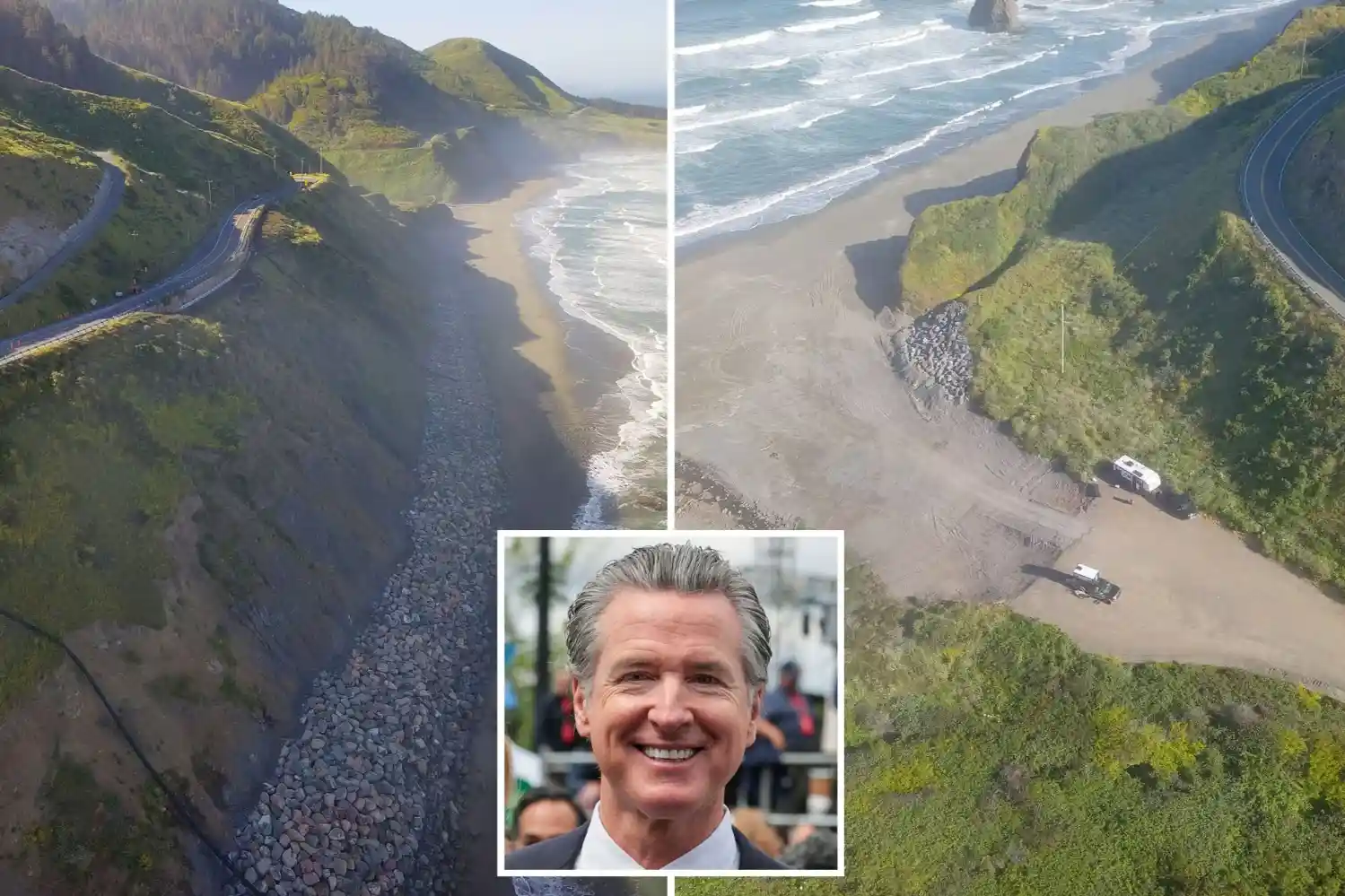
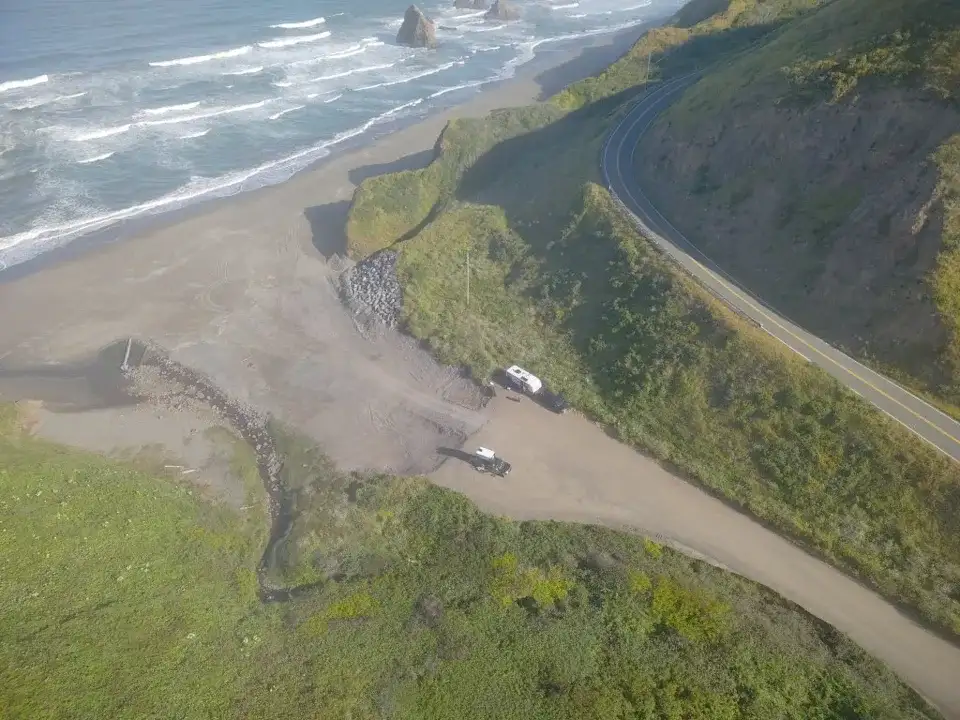
The agreement establishes that a 136-acre property, which includes Blues Beach and the coastal cliffs located south of Westport, will be transferred to Kai Poma, a "non-profit organization" representing the Pomo Indians of Sherwood Valley, the Round Valley Indian Tribes, and the Coyote Valley Pomo Indians.
The final approval was granted on June 26 by the California Transportation Commission, marking the first time that land managed by the state Department of Transportation is handed over to indigenous tribes.
The coast of California
This point is central to the scope of the measure, as it sets a precedent for the management and eventual redistribution of public lands under state control.
According to a report from the California Coastal Commission, the State originally acquired these lands in the 1960s to accompany the expansion of Highway 1 and create a scenic overlook for motorists.
The area, characterized by its windy coast and rocky cliffs, has gradually become a space of interest for visitors.
The transfer comes after years of efforts and, especially, following a key regulatory change. Until 2021, the California Department of Transportation (Caltrans) did not have the legal authority to transfer state lands to tribal governments.
Gavin Newsom
This limitation changed when Democratic Governor Newsom signed a law promoted by state senator Mike McGuire, which enables such operations.
The same legislation also establishes restrictions on the use of the lands, prohibiting commercial development on the property.
Reportedly, the organization Kai Poma worked together with the California Coastal Commission on a management plan that aims to maintain public access to the area, allowing visits "from dawn to dusk."
However, the decision again highlights the scope of such transfers, especially when they involve coastal spaces that had been incorporated into the state heritage for public use.