The initiative allocates 70 billion dollars to ICE and the Border Patrol to strengthen immigration control until 2029
Nuevo
Agregar La Derecha Diario en
Compartir:
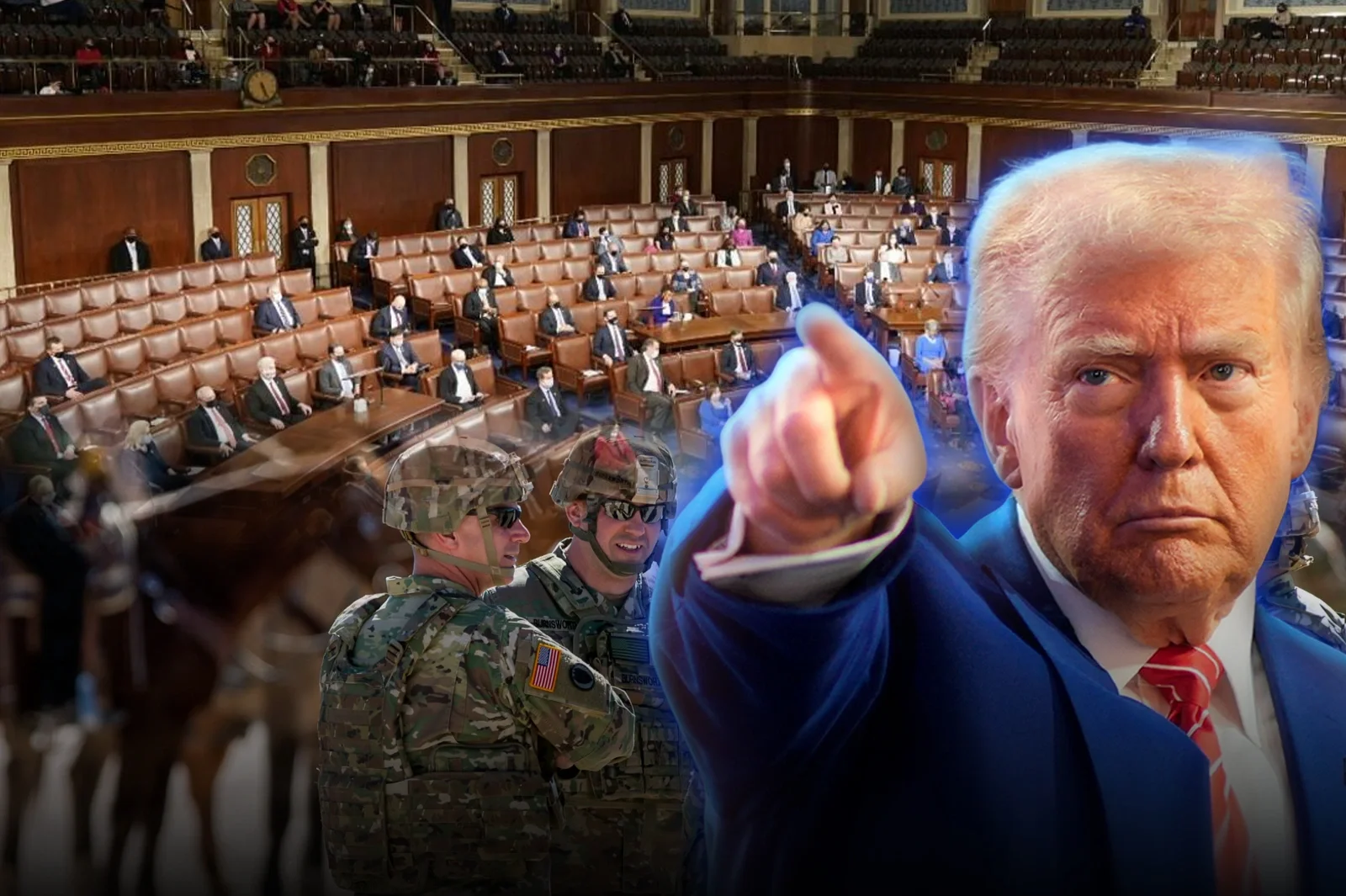
The U.S. House of Representatives approved a broad legislative package on Tuesday aimed at strengthening border security and reinforcing immigration law enforcement, granting a crucial political victory to President Donald Trump and Republicans in Congress.
The initiative, called the ''Secure America Act'', was approved by a narrow margin of 214 votes in favor and 212 against, culminating months of clashes between Republicans and Democrats over funding for the agencies responsible for immigration control. All Democratic lawmakers voted against the bill, while all present Republicans supported the measure.
The bill includes an investment of $70 billion to strengthen the operational capabilities of immigration authorities through fiscal year 2029. Among the main components of the legislation are $38 billion allocated to the Immigration and Customs Enforcement (ICE) and another $26 billion for the Border Patrol. Additionally, it establishes a special fund of $5 billion under the supervision of the Department of Homeland Security.
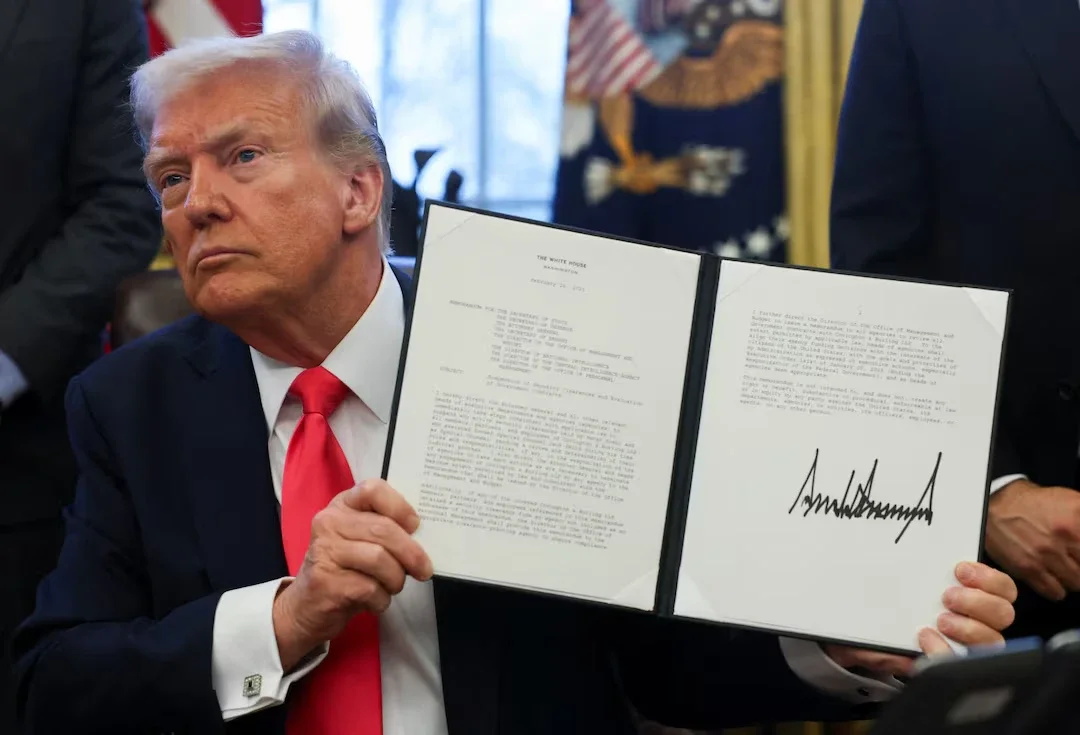
After its approval in both chambers of Congress, the legislation will be sent to President Trump, who is expected to sign it in the coming days.
President Donald Trump is expected to sign the enactment of the law in the coming days
Republicans defended the measure as a necessary response to national security challenges stemming from illegal immigration and cross-border trafficking. They argued that strengthening the agencies responsible for law enforcement is essential to ensure effective border control and restore citizens' trust in the U.S. immigration system.
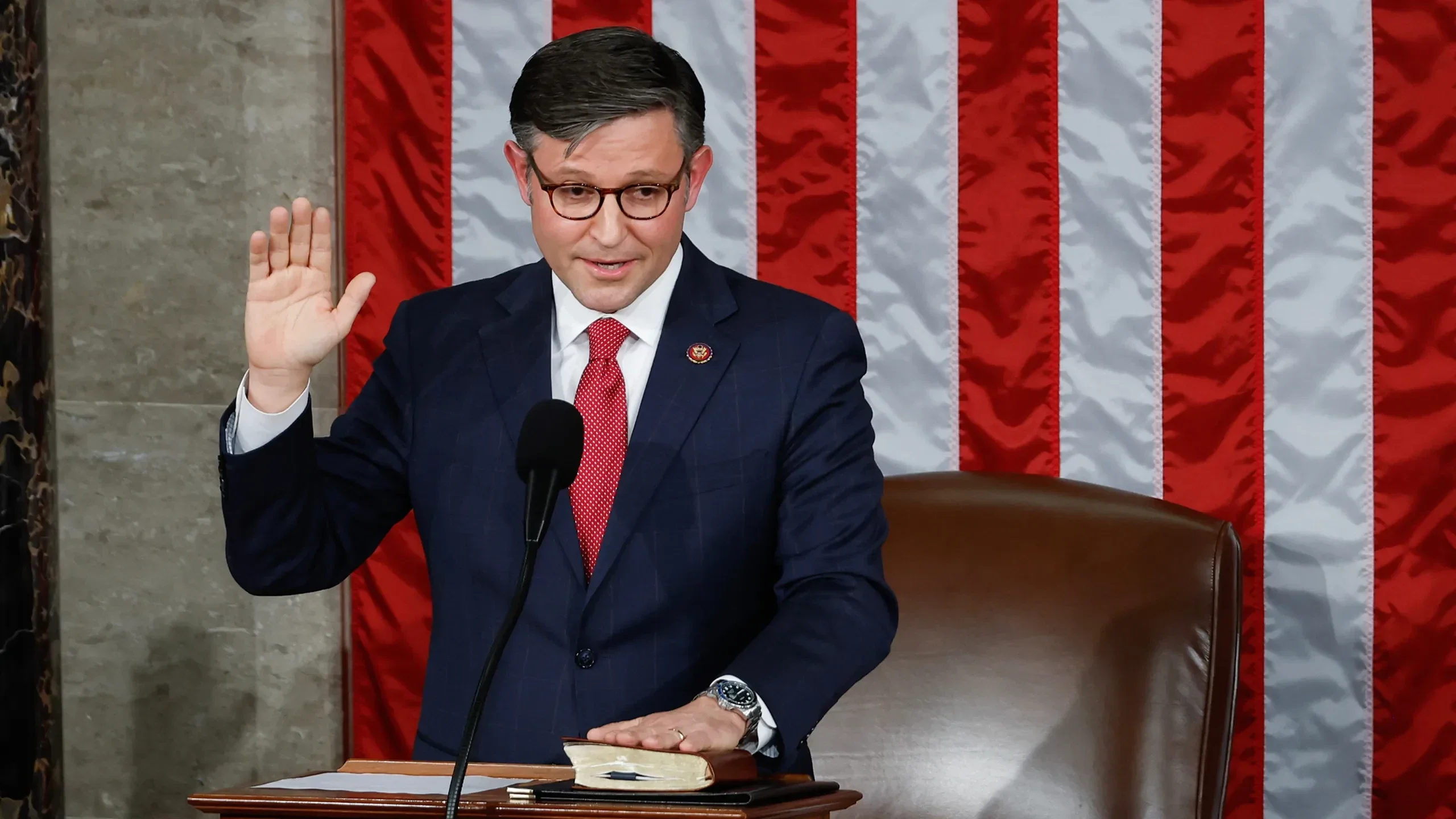
The Speaker of the House, Mike Johnson, managed to keep the Republican caucus united despite the narrow majority the party holds. The approval of the bill represents one of the greatest legislative successes of his tenure and demonstrates the capacity of Republican leadership to advance one of the central priorities of Trump's agenda.
Republican leaders stated that they resorted to the budget reconciliation mechanism due to the repeated refusal of Democrats to approve funding for Homeland Security. This procedure allowed the initiative to advance without needing to reach the usual thresholds of bipartisan support in the Senate.
The Speaker of the House, Mike Johnson, managed to maintain Republican unity for the approval of the historic border security funding
''The Democratic Party has made it clear that it does not want to fund the necessary tools to secure the border,'' said the Republican majority leader, Steve Scalise. According to Republicans, the lack of adequate resources in recent years contributed to the increase in illegal crossings and limited the authorities' ability to respond effectively to the immigration crisis.
For months, Democrats conditioned any increase in funding for ICE and the Border Patrol on the inclusion of broader immigration reforms. However, Republicans rejected those proposals, arguing that the immediate priority should be to provide sufficient resources to the agencies responsible for enforcing existing laws.
The dispute between the two political forces contributed to prolonging budget negotiations and was one of the factors that fueled the longest partial federal government shutdown in recent history. Ultimately, the pressure to strengthen border operations prevailed in the legislative debate.
Although some conservative lawmakers initially expressed reservations about the proposal, considering it should incorporate permanent changes to immigration legislation and codify several executive orders from Trump, Republican leadership managed to secure their support by committing to advance future initiatives on border security.
The Republican Party defended the measure and warned about the consequences that illegal immigration and cross-border crossings would bring