The Trump administration seeks to move towards a nuclear agreement in Doha while radical Iranian sectors reject the negotiations
Nuevo
Agregar La Derecha Diario en
Compartir:
The administration of President Donald Trump is preparing for a new round of negotiations with the Iranian regime aimed at reaching a definitive agreement that puts an end to the nuclear program of the Islamic dictatorship. While Washington maintains that Tehran has an opportunity to make decisions that benefit its population and reduce tensions in the Middle East, the process faces growing resistance from the most radical sectors of the Iranian regime.
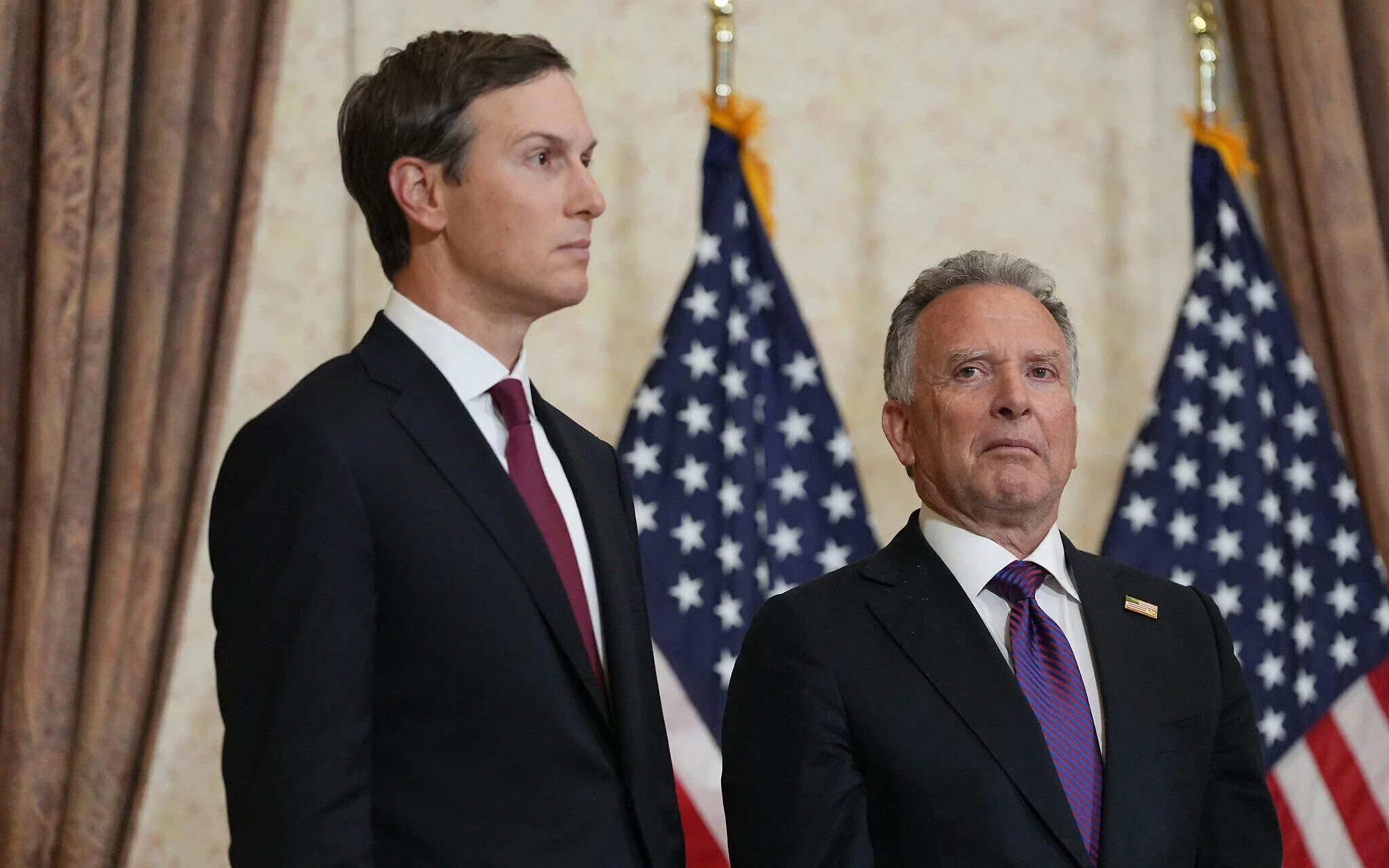
The U.S. special envoy, Steve Witkoff, and Jared Kushner will travel to Doha, Qatar, this Tuesday, where they will hold meetings with Qatari authorities responsible for mediating between Washington and Tehran. At the same time, technical teams from both countries will hold separate meetings with mediators from Qatar and Pakistan to advance the practical aspects of a potential agreement.
From the White House, they believe that the coming weeks will be decisive. A U.S. official stated that Iranian leaders have a 60-day deadline to make "difficult decisions" that, according to Washington, could translate into economic stability and prosperity for the Iranian people.
''Iranian leaders have the opportunity to make decisions that will ultimately benefit the Iranian people,'' the official said regarding the ongoing talks.
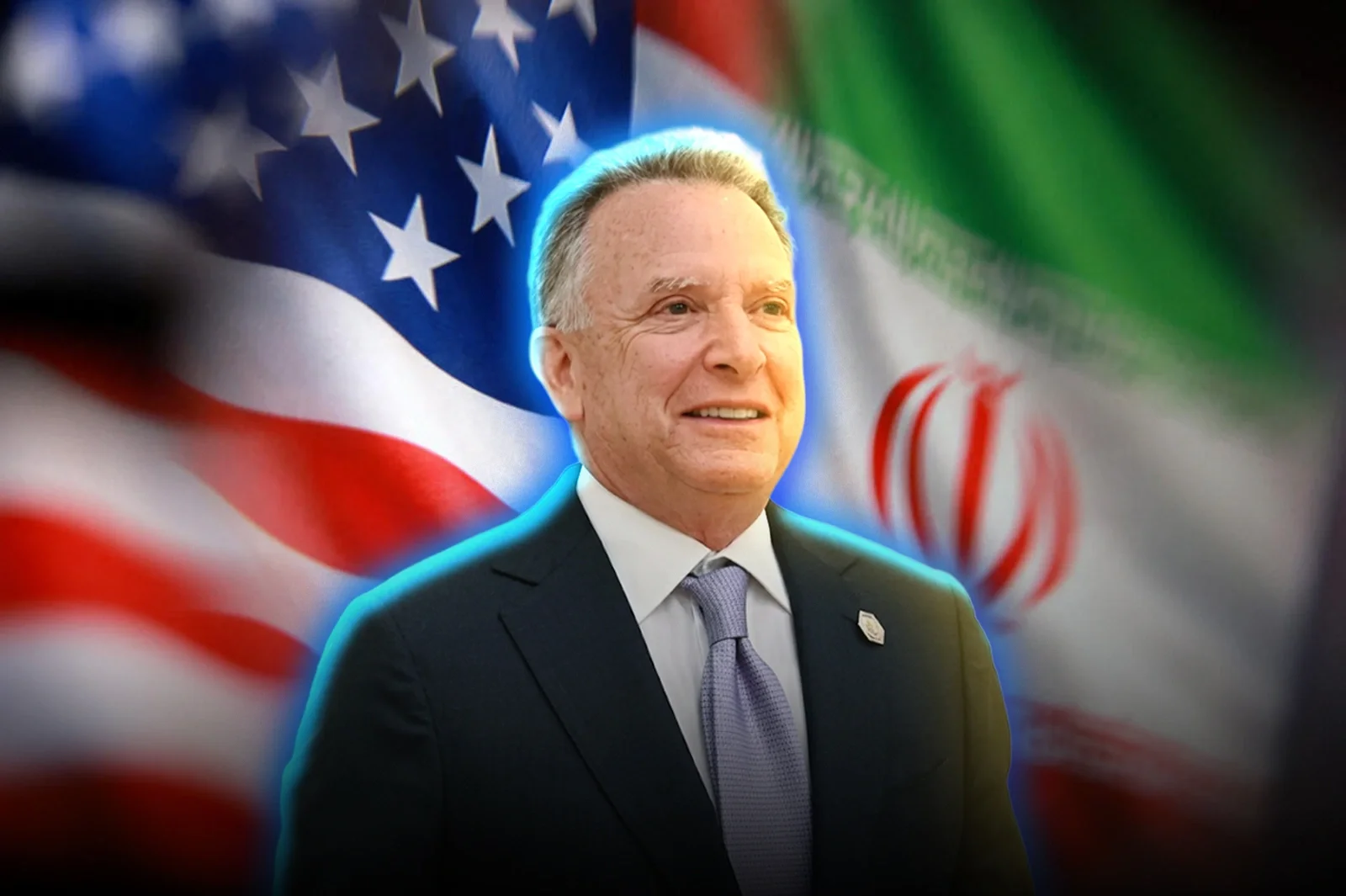
Steve Witkoff and Jared Kushner will meet with Qatari authorities to engage in negotiations to put an end to the Iranian nuclear program
President Donald Trump downplayed the Doha meeting, although he acknowledged that it could become a decisive moment for the future of relations between the two countries.
''It might be important, it might not be,'' the president stated before insisting that the United States maintains a position of strength both militarily and at the negotiating table. Trump also asserted that it was Iran that requested this new round of talks.
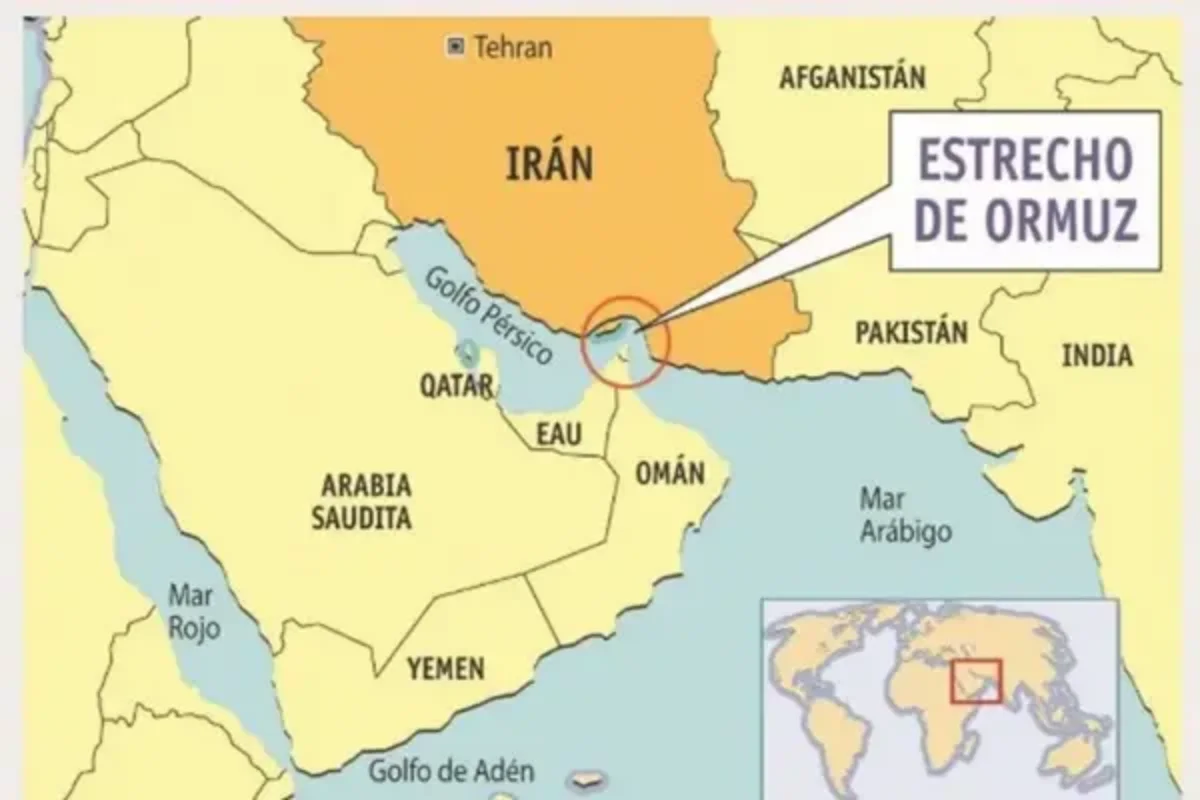
The negotiations are taking place after the signing of a memorandum of understanding that allowed for reducing the risk of direct military confrontation around the Strait of Hormuz, one of the most important maritime routes for global oil transportation.
The White House maintains that this memorandum constitutes an agreement based on concrete results, aimed at ending hostilities, keeping the Strait of Hormuz open, reducing pressure on energy markets, and moving towards the definitive abandonment of the Iranian nuclear program.
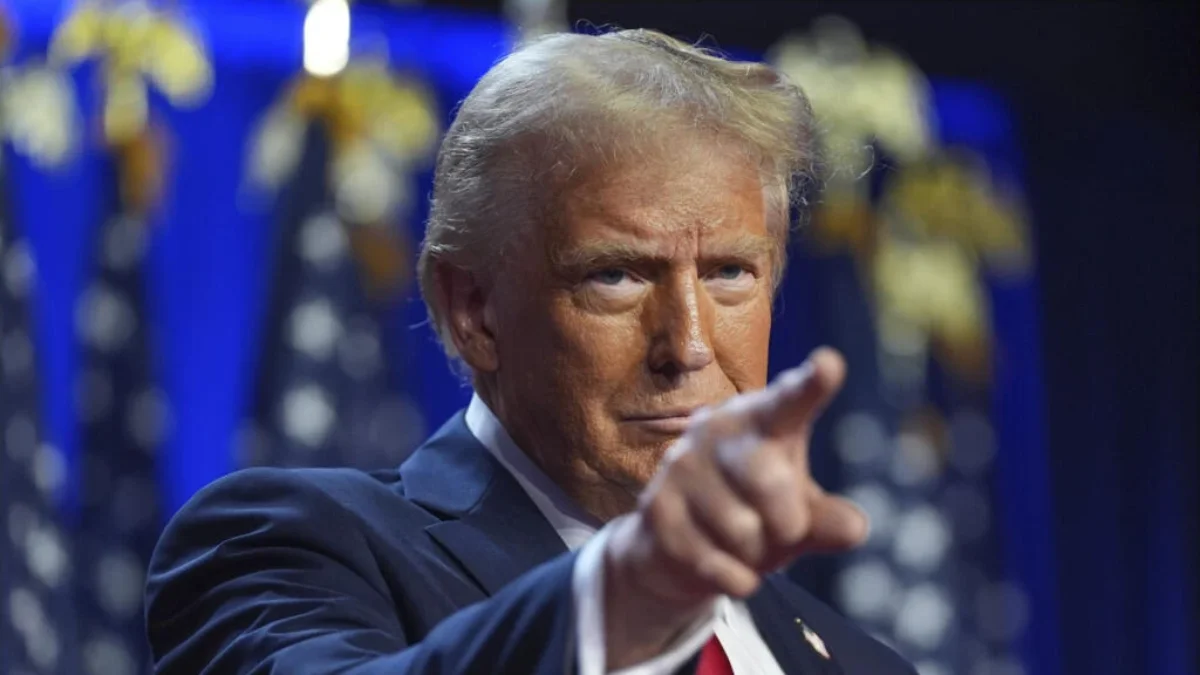
Donald Trump stated that the United States has superiority both in the military and in the political-strategic realm
However, the diplomatic approach has provoked a strong reaction within the Iranian regime. The more conservative sectors believe that any negotiation with Washington represents an unacceptable concession and have intensified their criticism against President Masoud Pezeshkian and the negotiating team.
One of the harshest statements came from Hussein Shariatmadari, representative of the supreme terrorist leader Mojtaba Khamenei in the influential conservative newspaper ''Kayhan''. The leader stated that the revenge for the death of the dictator Ali Khameneishould take place ''on U.S. soil'' and claimed that any agreement with Washington should demand the delivery of President Trump to be tried in Iran.
These statements were joined by a letter signed by 60 of the 88 members of the Assembly of Experts, the body responsible for appointing the Iranian supreme leader. The signatories labeled Trump as a ''criminal president'' and asserted that anyone with access to the U.S. president or Israeli Prime Minister Benjamin Netanyahuwould have the religious duty to bring them to justice.
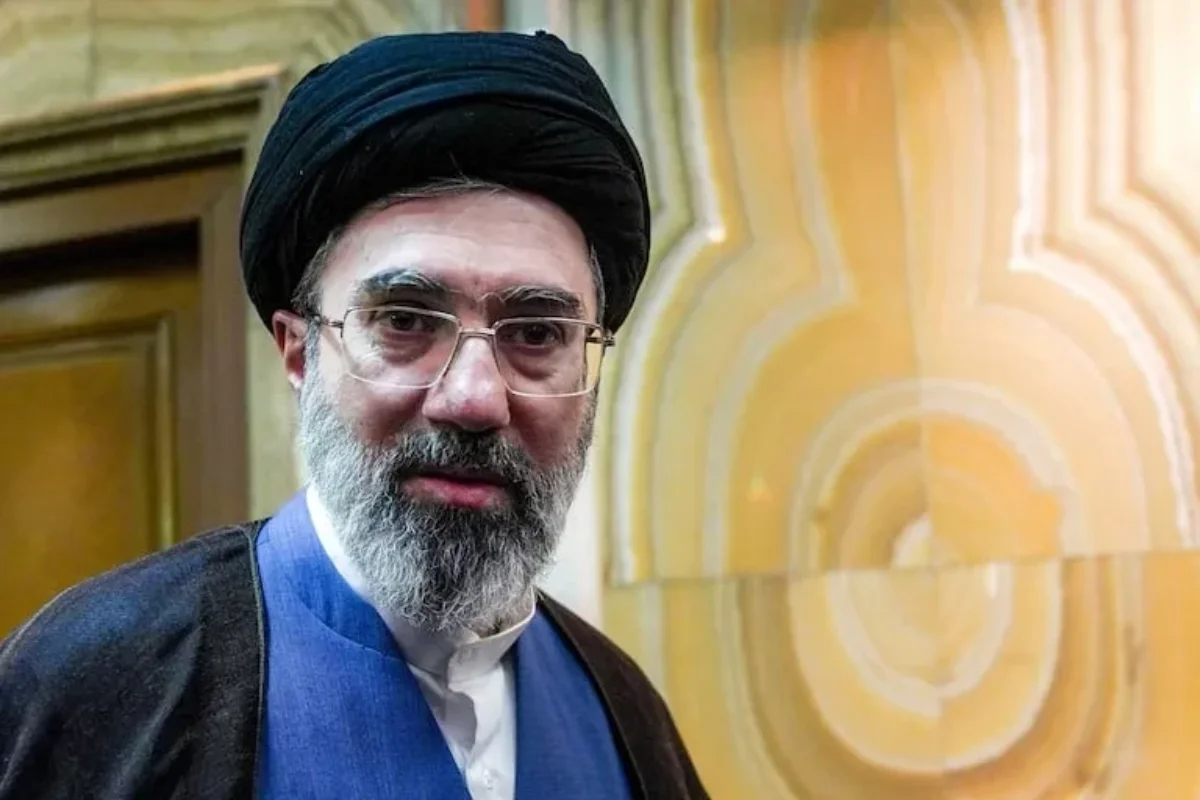
Close associates of the terrorist Mojtaba Jamenei claimed that the negotiations carried out by the president of Iran are ''unacceptable'' and encouraged terrorist attacks within the United States
The document also criticized the decision to keep the Strait of Hormuz open and rejected that the nuclear program should be part of the negotiations, considering that Iran should use those issues as leverage against the United States and Israel.
These manifestations reflect the deep differences existing within the Iranian political system. While the more radical sectors, including leaders close to the Islamic Revolutionary Guard, promote a policy of permanent confrontation, Pezeshkian's government is trying to take advantage of the diplomatic route to alleviate the economic crisis the country is experiencing.
The Iranian president himself responded on Monday to the criticisms, denouncing that some groups are deliberately obstructing the government's efforts through accusations of treason and attacks against members of the negotiating team.
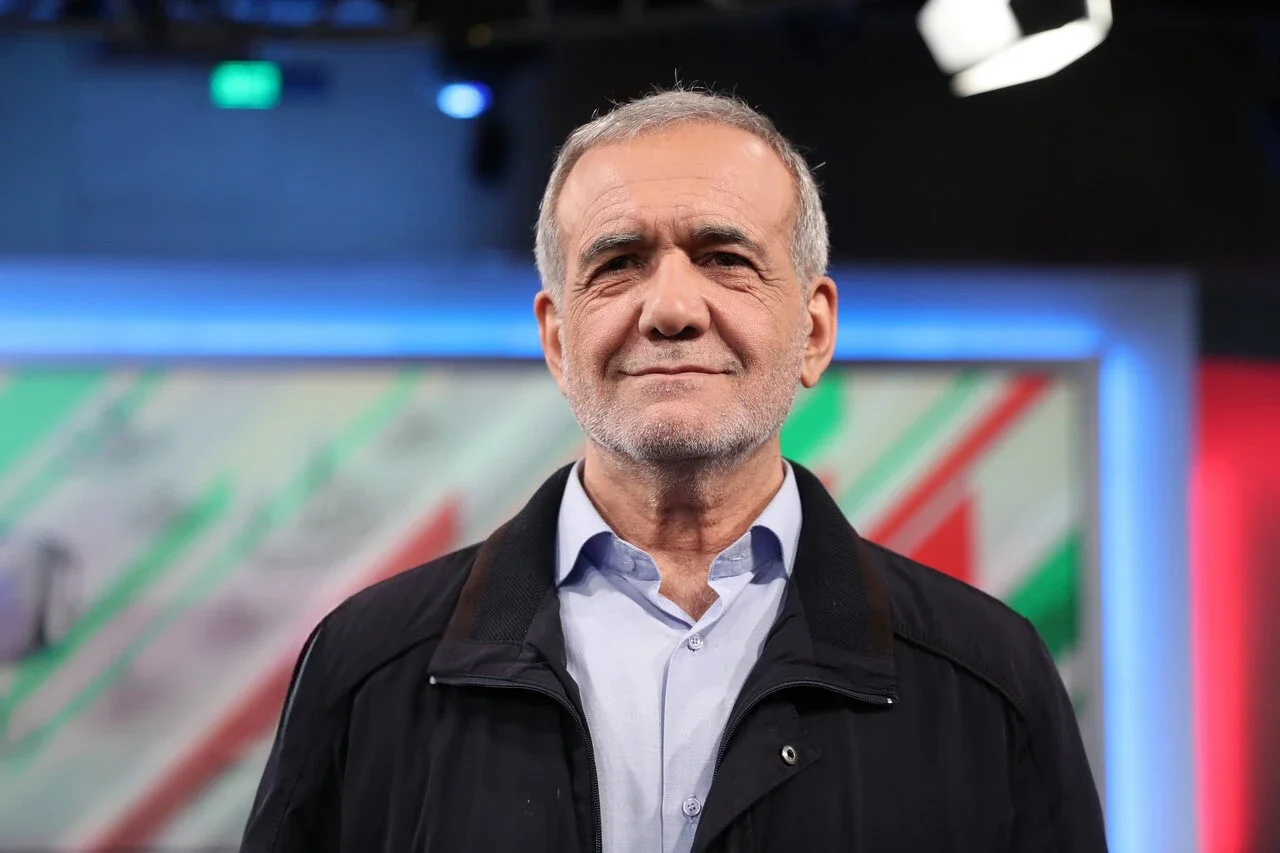
Iranian President Masoud Pezeshkian stated that many groups affiliated with the clerical regime hinder peace negotiations
Pezeshkian assured that his administration is working to protect national interests, preserve the dignity of the country, and improve the living conditions of the population, affected by a weakened economy, high inflation, and rising food costs.
U.S. authorities believe that this economic situation explains Tehran's willingness to continue negotiating. According to a Washington official, the regime knows that it must respond to the growing social discontent caused by economic deterioration and shortages of basic goods.
In support of the Iranian president, the jurist Alavi Boroujerdi also described the government's diplomatic strategy as ''brave and commendable'' and stated that negotiation opportunities should not be wasted.
The recently signed agreement establishes the reopening of the Strait of Hormuz and the normalization of all its operations
Meanwhile, Iranian media reported that technical teams will seek to advance the release of $6 billion in unfrozen assets outlined in the memorandum of understanding, one of the main economic incentives to keep the talks open.
The new round of negotiations will be closely monitored by the international community, as its outcome could define not only the future of the Iranian nuclear program but also the stability of the Middle East and the evolution of relations between Washington and Tehran.