The escalation of the conflict between the United States and Iran has intensified again after a ballistic missile and drone attack launched by the Iranian regime against Jordanian territory resulted in the death of two American soldiers and the disappearance of a third, as confirmed by the United States Central Command (CENTCOM).
The incident represents one of the most severe blows suffered by U.S. forces since the resurgence of hostilities and once again places the Iranian regime at the center of criticism for its military confrontation strategy in the region.
CENTCOM reported that four other American soldiers were injured during the attack and were transferred to hospitals in Jordan for medical care. Subsequently, military authorities indicated that all of them were discharged, while other personnel with minor injuries returned to their duties.
So far, the U.S. military has not revealed the identities of the two deceased soldiers or the missing service member, stating that this information will remain confidential until official notification is completed to their families. No precise details were provided regarding the exact location of the attack within Jordan.
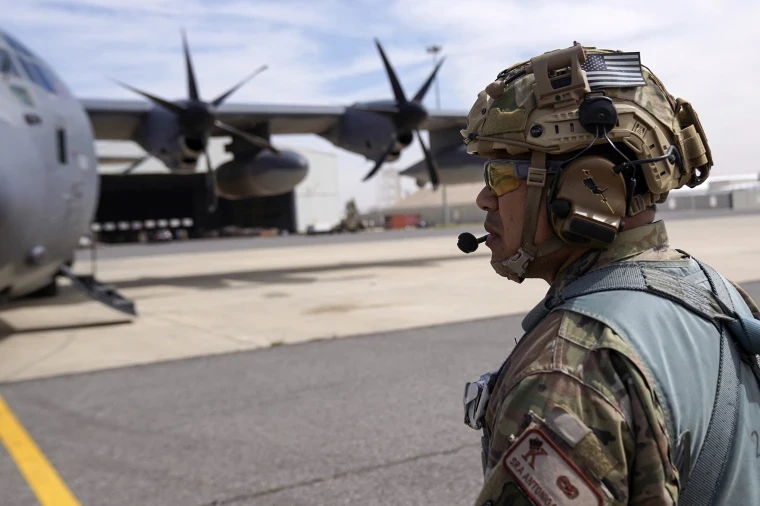
Two American soldiers were killed in Jordan by the Jamenei regime, while there is still one soldier missing
The Jordanian Armed Forces previously reported that they intercepted ten Iranian missiles that entered their airspace during the night of Friday. Although authorities assured that air defenses managed to neutralize the projectiles and prevent significant damage in Jordanian territory, the attack highlighted the growing threat posed by military operations driven by Tehran to the stability of the Middle East.
According to CENTCOM's statement, U.S. troops and allied forces were defending strategic positions when they were hit by the combined attack of Iranian missiles and drones.
Meanwhile, the Islamic Revolutionary Guard Corps (IRGC), the main military arm of the Iranian regime, claimed through state media that it had managed to destroy at least two American fighter jets at the Al-Azraq airbase in Jordan. However, the U.S. military did not confirm this version and refrained from providing additional comments on the claim disseminated by Tehran.
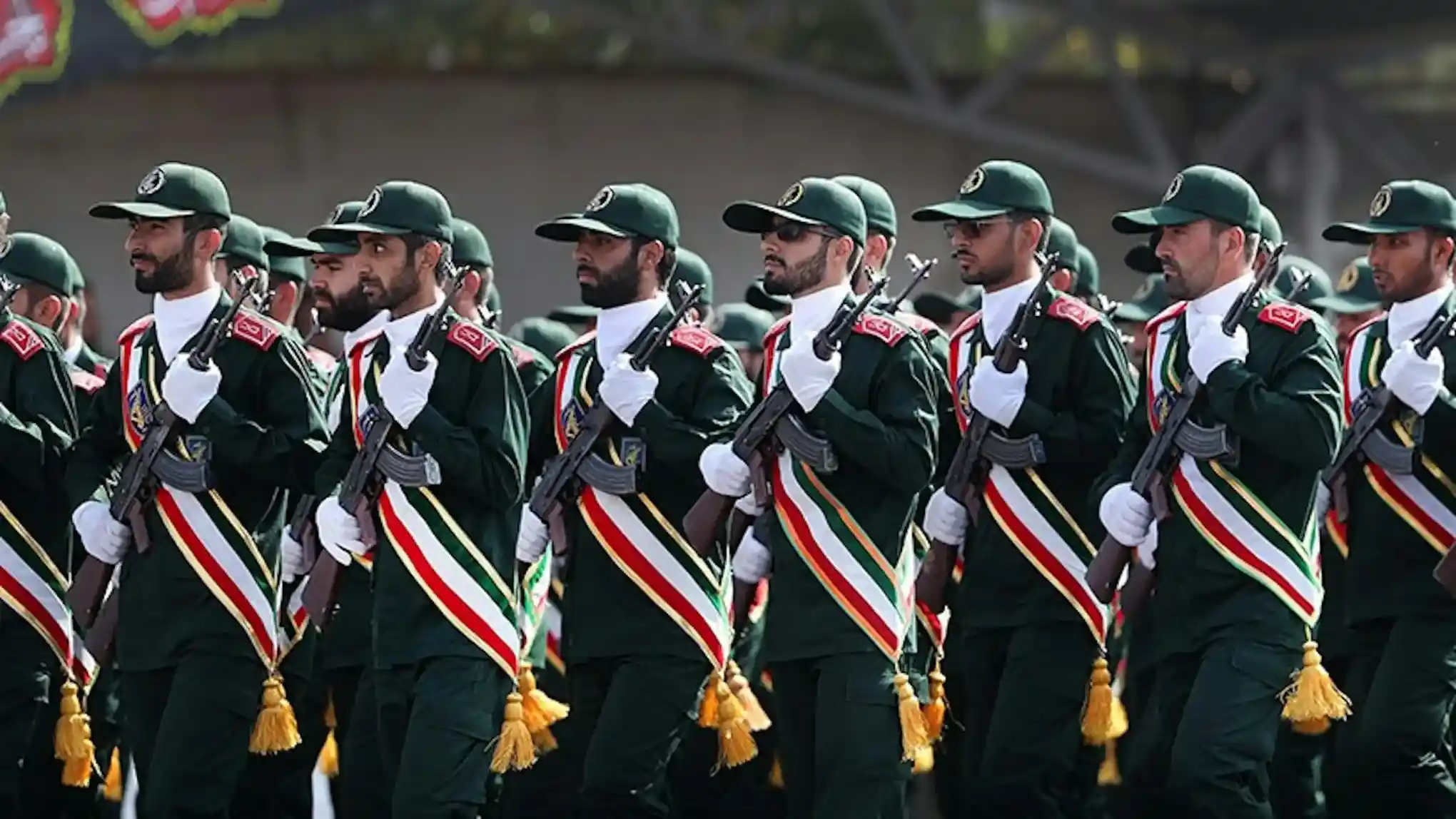
The Iranian armed forces claim that they have managed to shoot down two American military aircraft
The episode coincides with the seventh consecutive night of U.S. bombings against Iranian targets since President Donald Trump declared the temporary ceasefire that both countries had reached weeks earlier to be over.
Washington maintains that the resumption of military operations responds to the repeated Iranian attacks and the need to protect U.S. forces deployed in the region against the actions of the Tehran regime and the armed groups that receive its support.
Iranian authorities, for their part, claimed that U.S. bombings would have caused at least fifty deaths and more than five hundred injuries over the past three weeks. These figures, of dubious veracity, were reported by Iranian state media, which cited information from the country's Ministry of Health.
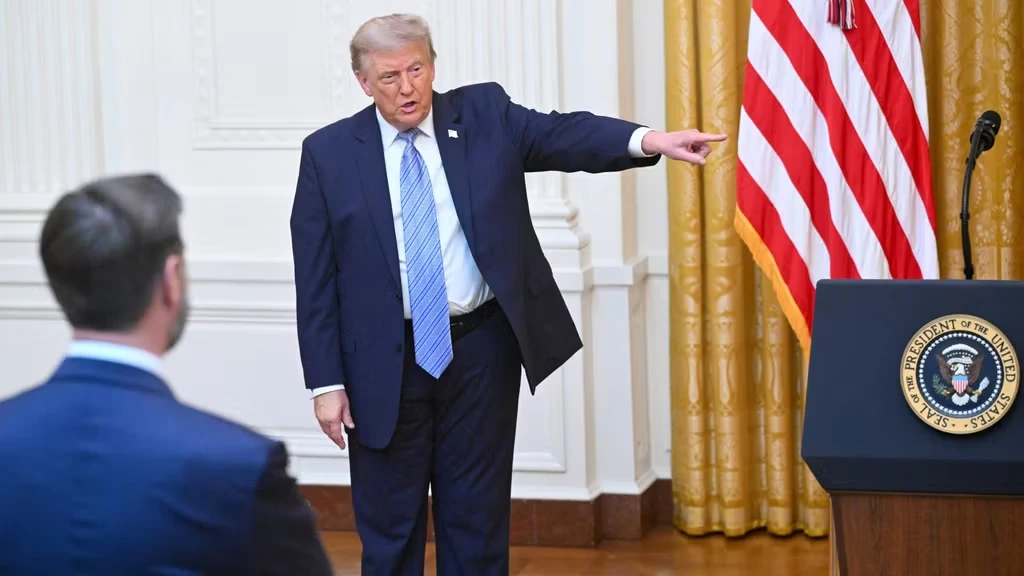
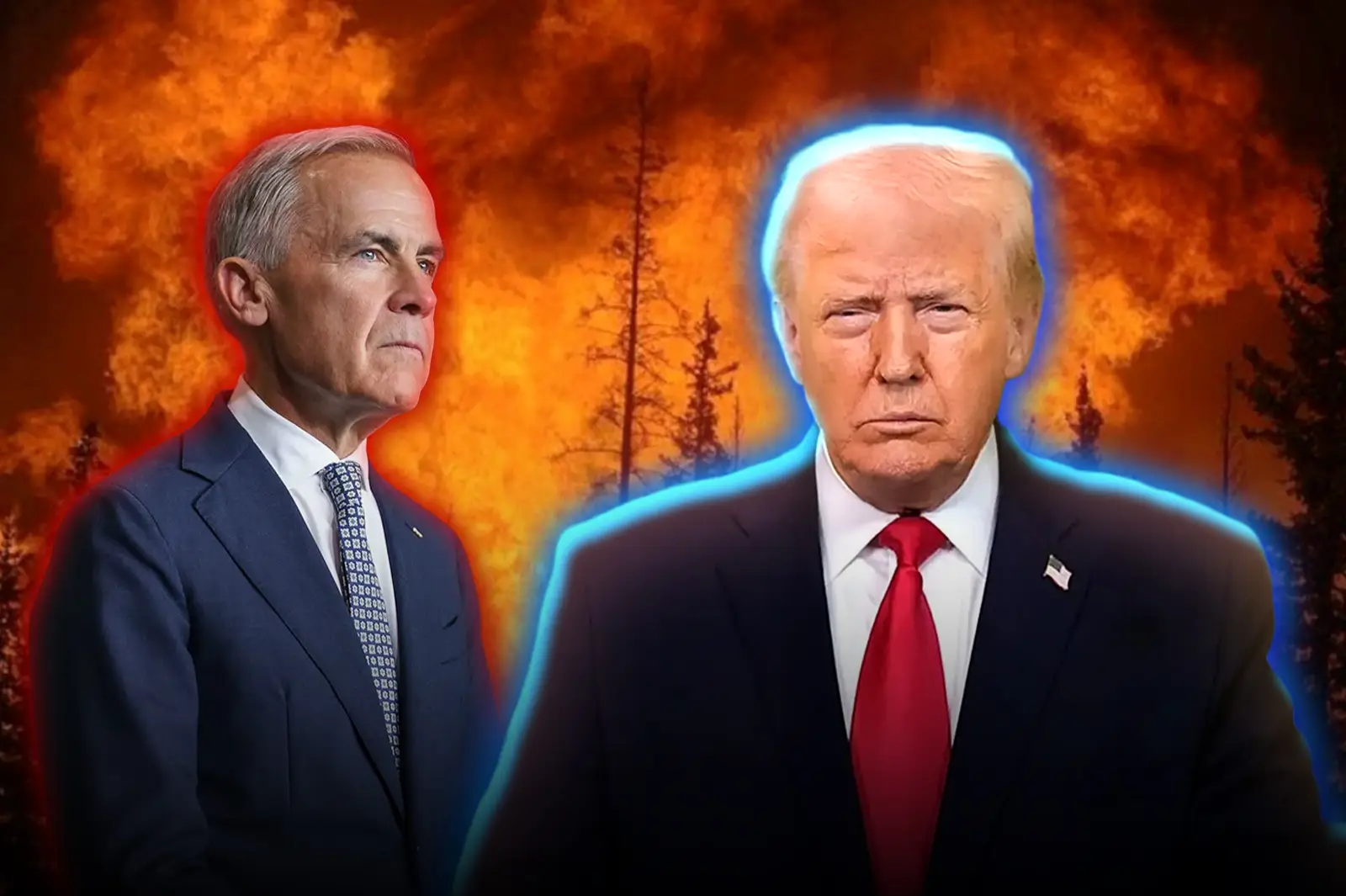
The Donald Trump administration continues to launch attacks against the positions of the Iranian terrorist regime in response to Tehran's hostilities
The current conflict represents the failure of the preliminary agreement reached between Washington and Tehran in June to end the war initiated months earlier by the Iranian regime. Despite negotiations, the understanding quickly deteriorated and collapsed less than a month after its signing, giving way to a new phase of military confrontations.
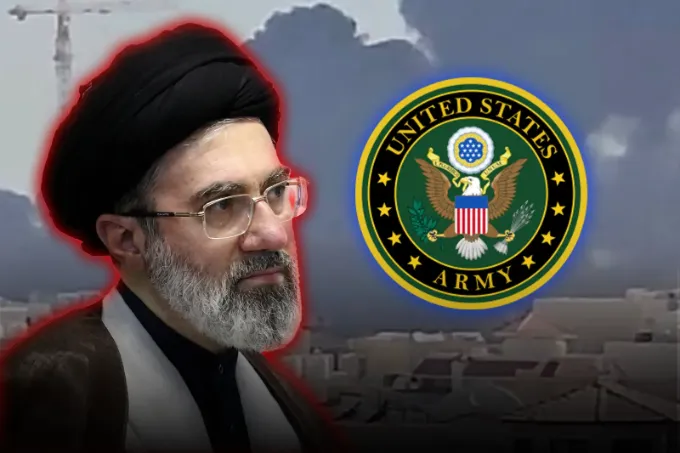
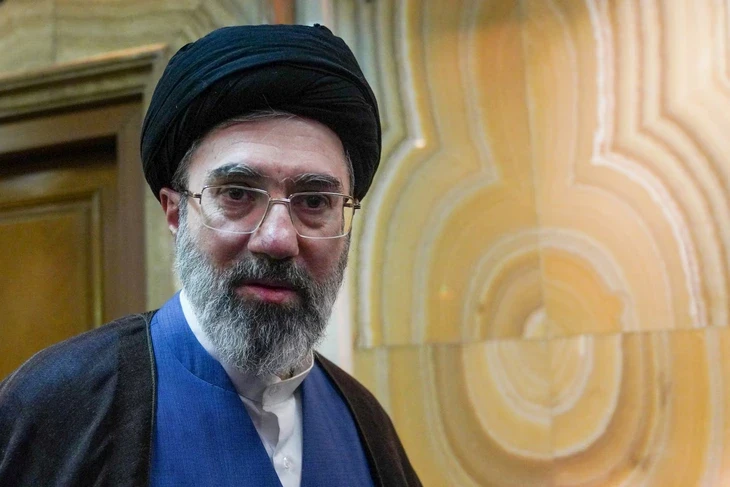
The deterioration of the situation has been accompanied by increasingly aggressive rhetoric from Iranian leadership. The supreme terrorist leader, Mojtaba Jamenei, issued a statement accusing the United States of repeatedly failing to meet commitments made during negotiations and asserted that the signature of the U.S. president lacks credibility.
The statements reflect the deep diplomatic rift between the two countries and demonstrate that the possibilities of resuming peace talks remain very limited while military attacks continue.
The disfigured and very possibly gay leader of Iran signed a statement with strong criticisms of U.S. diplomacy
In recent weeks, the United States has also reimposed a blockade on Iranian ports as part of the economic and military pressure against Tehran. In response, Iranian authorities announced the supposed closure of the Strait of Hormuz, one of the most important maritime corridors for global oil trade, a decision that increased international concern about the potential impact on energy markets and regional stability.
Various Western governments believe that the actions driven by the Iranian regime, including missile and drone attacks against U.S. and regional allied forces, contribute to prolonging the conflict and increasing the risk of a larger-scale war. Furthermore, the use of weaponry against military installations in third countries like Jordan has reinforced criticism of Tehran for expanding confrontation beyond its borders.