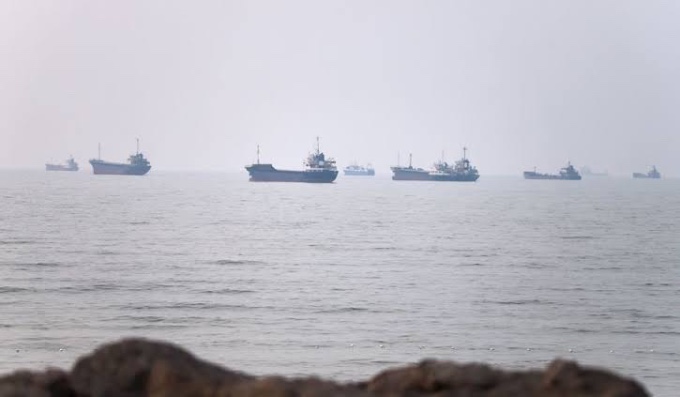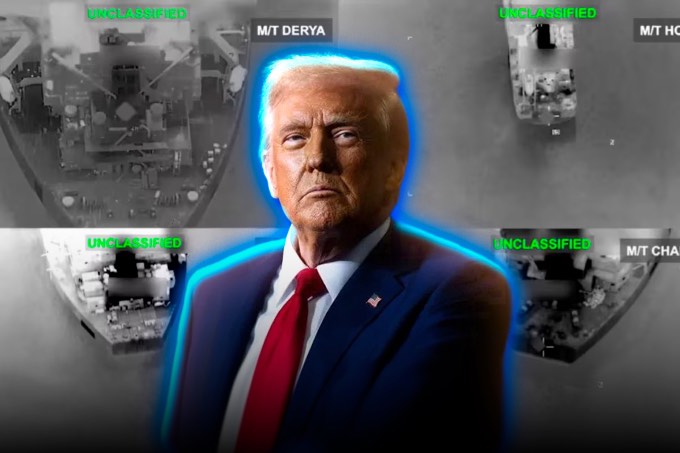

The U.S. military reported on Tuesday that it destroyed five Iranian oil tankers in response to attacks carried out by the Islamic regime against its warships. Hours later, Tehran launched missiles at Washington's targets in Jordan, according to Iranian state television, although most were intercepted.
These latest attacks are part of a bifurcated strategy, both economic and military, implemented by Trump in his attempt to defeat the Iranian dictatorship. On Tuesday, the White House also imposed sanctions on additional sectors of the Iranian aviation industry, targeting more than two dozen commercial and private airlines, as well as their foreign suppliers.
U.S. forces also destroyed three Iranian oil tankers last Saturday, after the Iranian Revolutionary Guard attempted to attack an aircraft carrier and a U.S. destroyer with ballistic missiles and failed again. Following the counterattack, Trump warned that the military "will destroy Iran's limited and exposed oil fleet if necessary."
In light of this situation, Secretary of State Marco Rubio stated that the United States will not allow Iran's attacks to go unanswered. "Iran continues to try to strike U.S. naval vessels. And every time they try, they will lose tankers. And I think they will see that again today," the head of U.S. diplomacy told the media as he prepared to travel to Colombia.