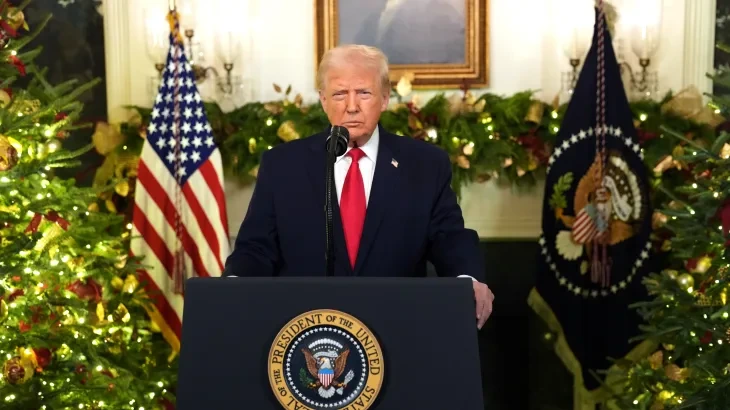
The United States and Nigeria signed an agreement to expand U.S. investment in the Nigerian mining sector, an initiative that reinforces the strategy of the administration of Donald Trump to build safer and more diversified supply chains for critical minerals and rare earths.
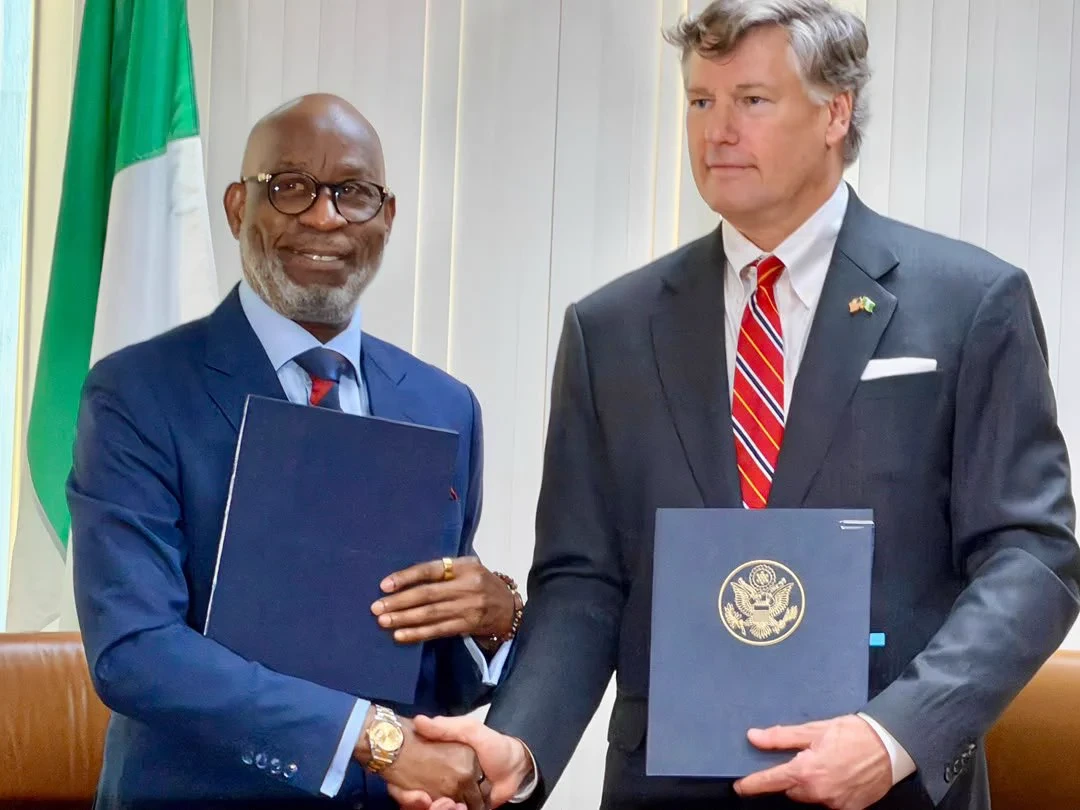
The pact was signed this Thursday in New York, on the sidelines of the United Nations General Assembly, by Nigerian Minister of Solid Minerals, Dele Alake, and U.S. Under Secretary of State Christopher Landau. The framework aims to facilitate U.S. investments in a sector whose resources are estimated by the Nigerian government to be around $700 billion.
The agreement includes cooperation in geological data and exploration, development and processing of minerals, infrastructure, and technical training. The intention is to turn the bilateral framework into concrete projects, investments, and business partnerships in the coming months.
The Trump administration signed an agreement with Nigeria to increase the supply of critical minerals
The pact represents another piece of the strategy pushed by Trump to reduce dependence on concentrated sources of essential minerals for sectors such as advanced technology, defense, and energy systems. Diversifying suppliers is particularly important in a global market where China maintains a dominant position in the mining and refining of rare earths.
Landau emphasized during the signing that the United States considers Nigeria an important partner and a regional power. He also stated that both countries have expanded their cooperation under Trump and Nigerian President Bola Ahmed Tinubu, and expressed Washington's intention to continue deepening that economic relationship.
The agreement also responds to Nigeria's interests. The African country seeks to reduce its dependence on oil revenues and develop a mining industry capable of generating greater value within its own borders. Alake stated that Nigeria does not want to limit itself to exporting raw materials for other countries to capture most of the benefits.
The declared goal of Abuja is to increase local processing, generate higher quality jobs, develop technical capabilities, and open new opportunities for Nigerian companies. The implementation of the agreement will be oriented precisely to advance in those areas.
The Under Secretary of State, Christopher Landau, stated that he considers Nigeria a strategic partner
Nigeria has significant reserves of tin, tantalum, bauxite, manganese, gold, iron, lead-zinc, and phosphates, in addition to minerals considered strategic for new technological and energy industries. In June, the government announced the discovery of a mining province in Kaduna state that contains deposits of platinum, gold, nickel, copper, lithium, and rare earths. According to authorities, the deposits present high concentrations of minerals with strong international demand.
The potential of these resources makes Nigeria an attractive partner for the U.S. diversification strategy. For Washington, developing new sources of critical minerals can help strengthen supply chain security and expand the alternatives available for U.S. companies.
For Nigeria, the arrival of U.S. capital and technology could help transform a mining sector that is still underdeveloped compared to the potential of its reserves. The Tinubu government aims to use this cooperation to advance its agenda of economic diversification and industrialization.
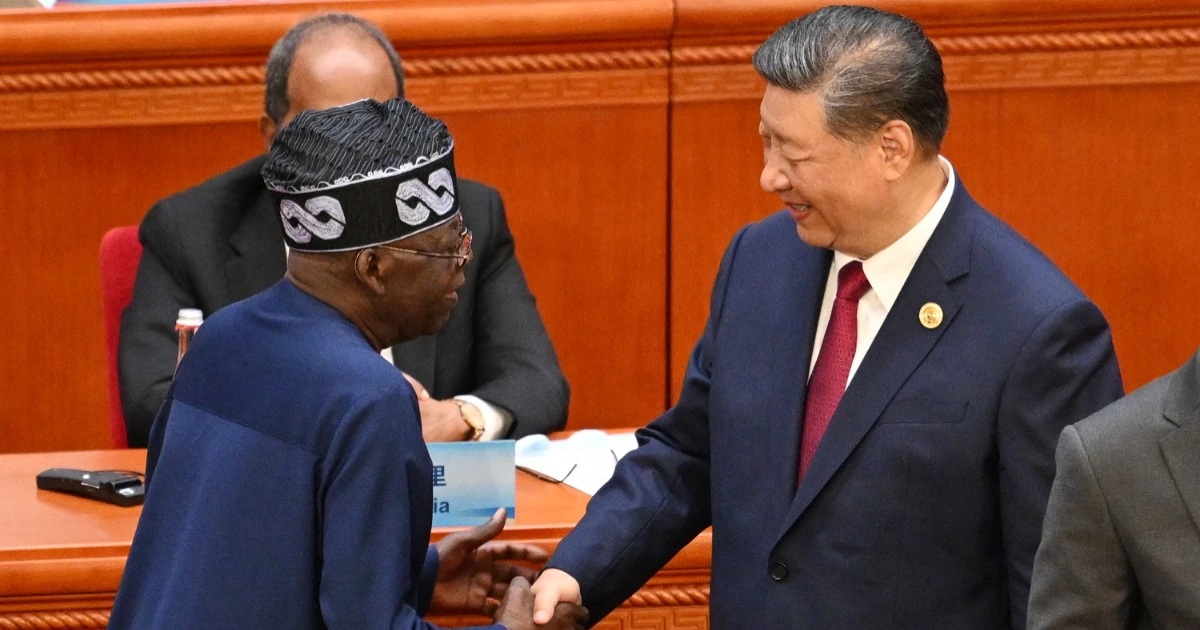
The agreement also has a geopolitical dimension. Nigeria reestablished in 2024 a strategic partnership with China, which includes trade, economic, technological, and investment cooperation. The expansion of mining ties with the United States now opens another avenue of cooperation for Abuja, while Washington seeks to strengthen economic relations with African countries that possess strategic resources.
The pact, however, still constitutes a framework for cooperation and does not guarantee specific investments by itself. Alake himself noted that the next step will be to identify viable projects, mobilize capital, and establish business partnerships that produce concrete results.
The Nigerian government claimed a mining agreement with the Chinese regime, which includes cooperation between both governments in various areas