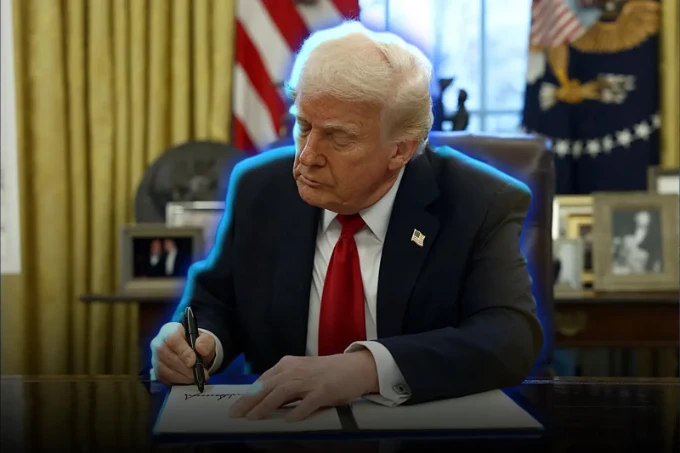
The administration of President Donald Trump will impose starting this Friday new tariffs of 10% and 12.5% on products from 60 U.S. trading partners, including the European Union, arguing that several countries do not enforce prohibitions against imports linked to forced labor with sufficient rigor. The measure represents a new step by the White House to strengthen Trump's trade policy and maintain broad tariff pressure on U.S. imports.
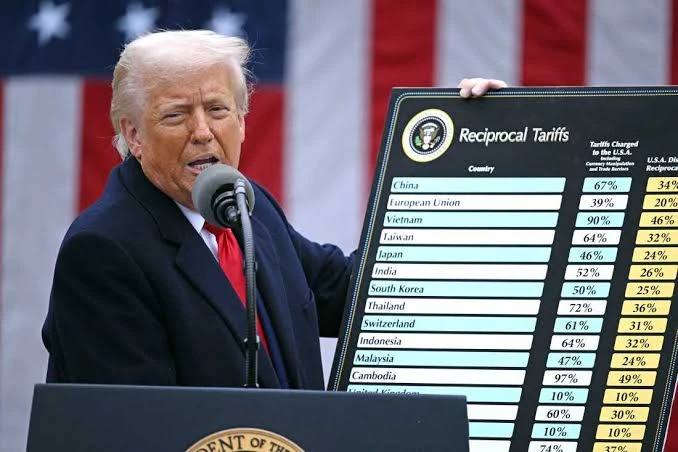
The new levies were announced on Thursday through a notification published in the official bulletin and will take effect exactly when a temporary global tariff of 10% established by Trump expires after the Supreme Court rejected in February the reciprocal tariffs, which had reached levels between 10% and 50%. Those measures had been imposed under a national emergency law aimed at reducing the U.S. trade deficit.
The new strategy will allow the Trump administration to maintain a minimum level of tariffs on virtually all U.S. imports while resorting to a different legal basis. The new levies will be applied under Section 301 of the Trade Act of 1974, a tool that has overcome previous judicial challenges and offers a stronger legal foundation to advance its trade agenda.
The Trump administration announced the imposition of tariffs on more than 60 countries to combat forced labor and reduce the U.S. trade deficit
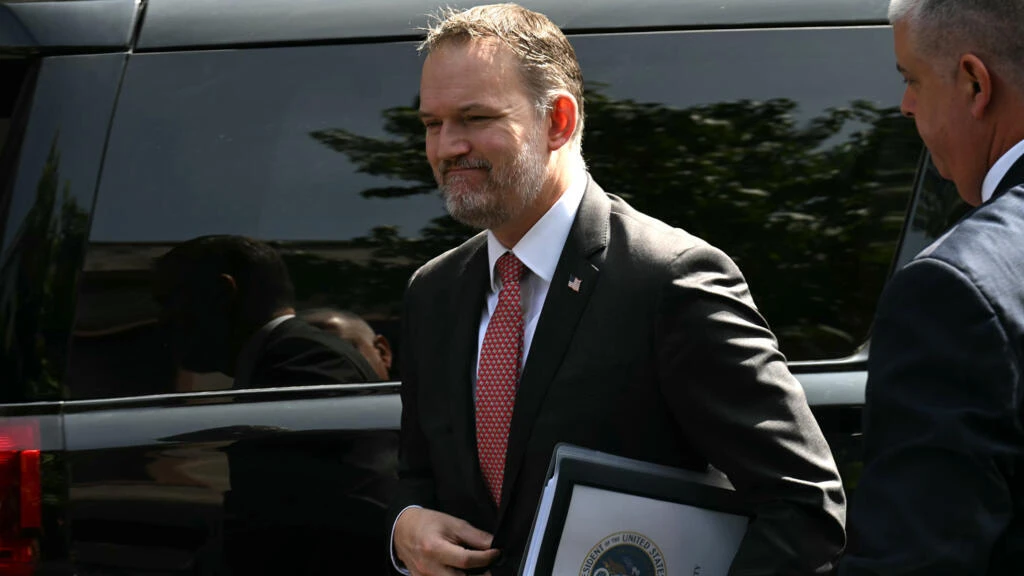
The White House argues that the fight against forced labor constitutes both a human rights issue and an economic competition problem. U.S. Trade Representative Jamieson Greer stated that Washington has been prohibiting imports produced through forced labor for nearly a century and that it enforces those standards strictly.
''It is time for our trading partners to do the same,'' Greer said, defending the measure as a way to correct a practice that harms workers and creates distortions in international trade.
The new tariffs will cover approximately 99.4% of U.S. imports, although there will be numerous exceptions. Excluded products include oil and gas, fertilizers, and certain foods. Some products already subject to tariffs established for national security reasons under Section 232, such as automobiles, steel, aluminum, and copper, will also be exempt.
Products that comply with the rules of the United States-Mexico-Canada Agreement will also be exempt, a decision aimed at protecting North America's highly integrated supply chains and recognizing the high U.S. content of many goods traded within the region.
The U.S. government trade representative stated that Washington has been penalizing imports linked to forced labor for a long time
Among the countries that will receive a 10% tariff are Argentina, Bangladesh, the United Kingdom, Cambodia, Canada, Ecuador, El Salvador, Guatemala, Honduras, India, Indonesia, Jordan, Malaysia, Mexico, Pakistan, Sri Lanka, and Trinidad and Tobago.
The European Union, Taiwan, Japan, South Korea, and Switzerland will have rates that, combined with existing most-favored-nation tariffs, will raise the total burden to 10% or 12.5%. Another 38 countries, including China, will be subject to a rate of 12.5%.
The Trump administration maintains that the new measures are not simply an automatic replacement for the expiring temporary tariff, although the rates and timing of application are similar. A senior White House official argued that the United States has stricter prohibitions against products made with forced labor and enforces them more rigorously than other countries, creating a disadvantage for American workers and businesses.
The Trump administration expressed that those countries with a business structure supported by forced labor have stricter quotas
The policy also has support from lawmakers from both parties, who have called for years for greater elimination of forced labor from international supply chains. According to the administration, the new tariffs respond to that concern and allow the use of a trade tool to promote better labor standards.
Additionally, the final tariffs incorporate modifications made after public consultations and new exceptions for products such as raw iron, certain sugar products, animal goods, seeds, and certain chemicals.