The Government of Donald Trump approved a disbursement of 9 billion dollars intended for the acquisition of state-of-the-art computer chips, with the aim of strengthening the capabilities of artificial intelligence used by the security agencies of the United States.
The decision reflects the growing pressure faced by the intelligence apparatus due to the global shortage of key components.
The main objective of this investment is to enable agencies to fully leverage the most advanced artificial intelligence models, whose demand for computing power has far exceeded forecasts made even in the last two years.
This situation has raised alarms both in the White House and in Congress, as the chip shortage is slowing down the development, testing, and deployment of critical tools for highly classified espionage operations.
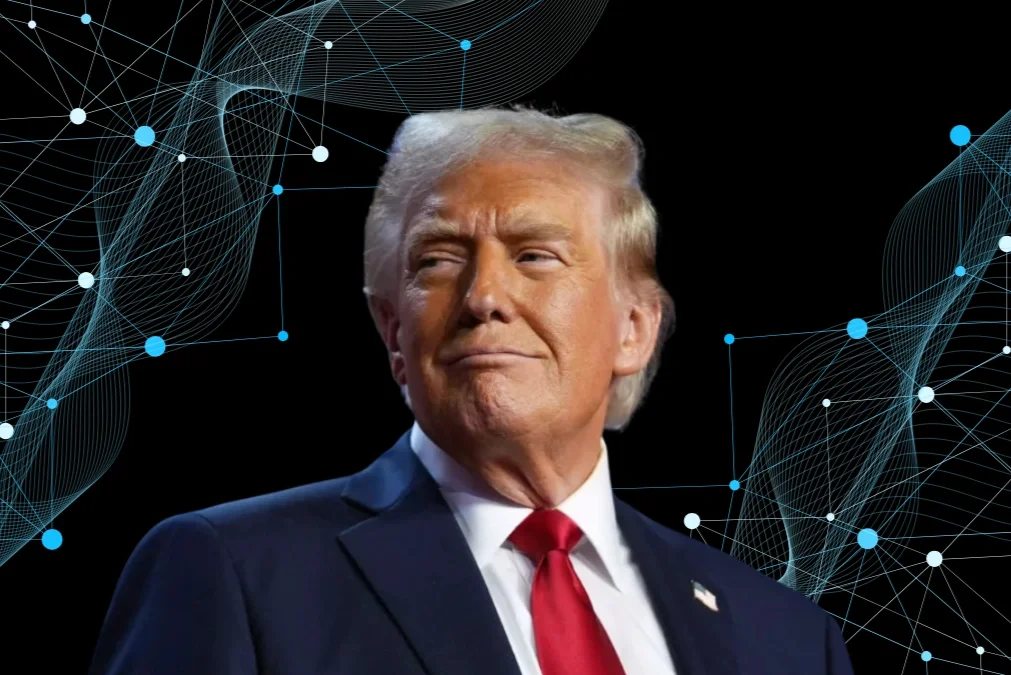
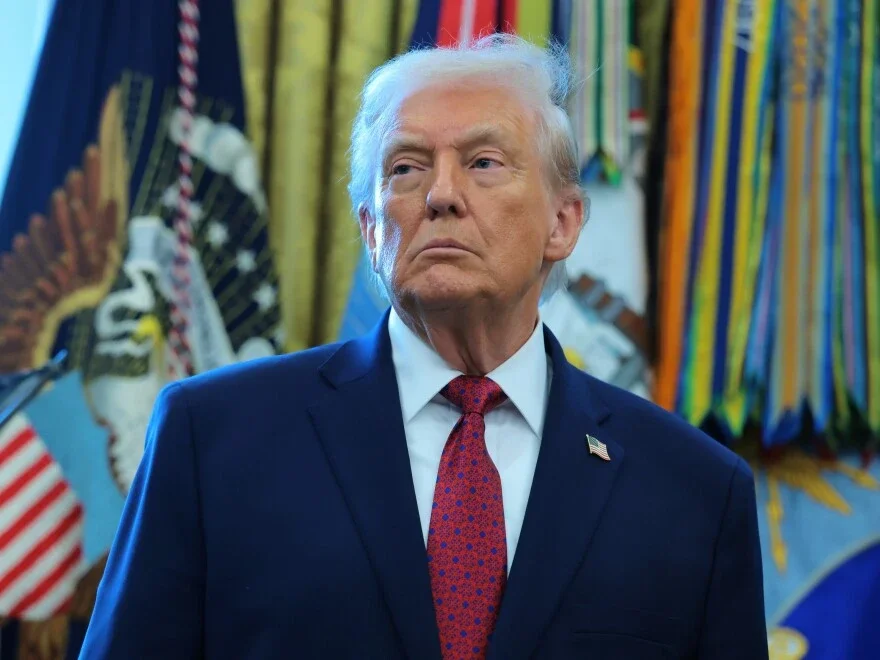
President Donald Trump.
The delay in adopting these technologies is directly linked to the insufficient availability of specialized hardware, which limits access to state-of-the-art artificial intelligence systems. The additional funding seeks to reverse this scenario, considered strategic for national security.
In parallel, the Trump administration also decided to reallocate 800 million dollars with the aim of accelerating the acquisition of computing capacity, even before Congress formally approves the main funding package.
One of the central focuses of the plan is the expansion of infrastructure capable of supporting Nvidia's Grace Blackwell superchip.
This type of technology requires highly specialized data centers, capable of supplying large volumes of electrical power and advanced liquid cooling systems, which implies additional investments in facilities and technological modernization.
Chips.
The chip shortage
The underlying problem lies in the growing difficulty of the industry to meet a global demand that keeps increasing. The shortage of state-of-the-art chips particularly affects the Pentagon and the intelligence agencies, which have failed to develop infrastructures compatible with the new technological requirements.
Currently, many of these agencies operate their classified artificial intelligence models through cloud networks provided by Amazon Web Services. In this context, Amazon announced last year an investment of 50 billion dollars to upgrade its services aimed at the government, in line with the new demands for processing and storage.
"Our intelligence community needs the cutting edge —the best chips, models, systems, and talent in AI— in a timeframe commensurate with the threat", stated Vinh Nguyen, former chief data scientist at the NSA and current senior fellow at the Council on Foreign Relations specializing in artificial intelligence.
The challenge posed by the Grace Blackwell chip shortage becomes even more relevant in a context where artificial intelligence begins to be directly integrated into military and security operations.
Systems like Maven, used to assist in target selection on the battlefield, already incorporate complex language models, although the Pentagon has not detailed the exact scope of their application in specific scenarios such as Iran or other regions.
The growing dependence on these technological tools highlights the need to ensure access to critical infrastructure, in a scenario where global competition for computing resources intensifies and conditions the development of strategic capabilities.