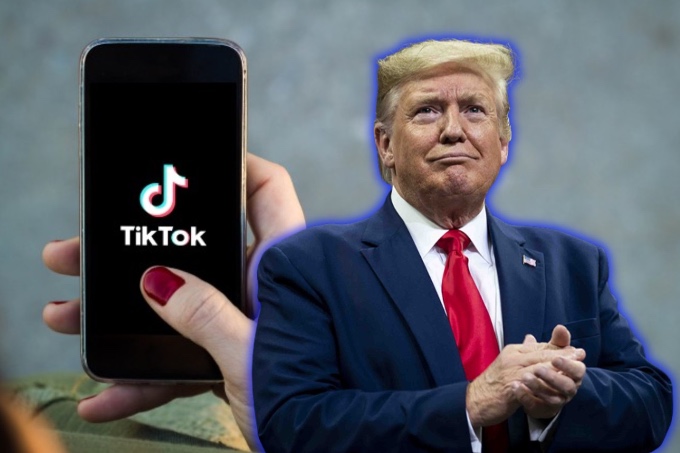
The United States Postal Service (USPS) published new regulations on August 21 aimed at establishing greater controls over the handling of mail-in ballots in federal elections, in line with guidelines pushed by President Donald Trump. The measure seeks to improve the traceability and security of mail-in voting, although its application for the midterm elections on November 3 is temporarily blocked by court decisions.
The new rule requires states intending to use the USPS to receive mail-in ballots to pre-register the corresponding voters on a new Postal Service platform. Election officials must provide the name and address of each voter, along with specific barcodes associated with both the envelope used to send the ballot and the envelope intended for its return.
The declared goal of the USPS is to verify that the ballots that states claim to have sent match the shipments that actually enter the postal system. Before accepting certain federal shipments, the agency would check that they comply with the new standards established for the envelopes and that they correspond to voters previously registered in its system.
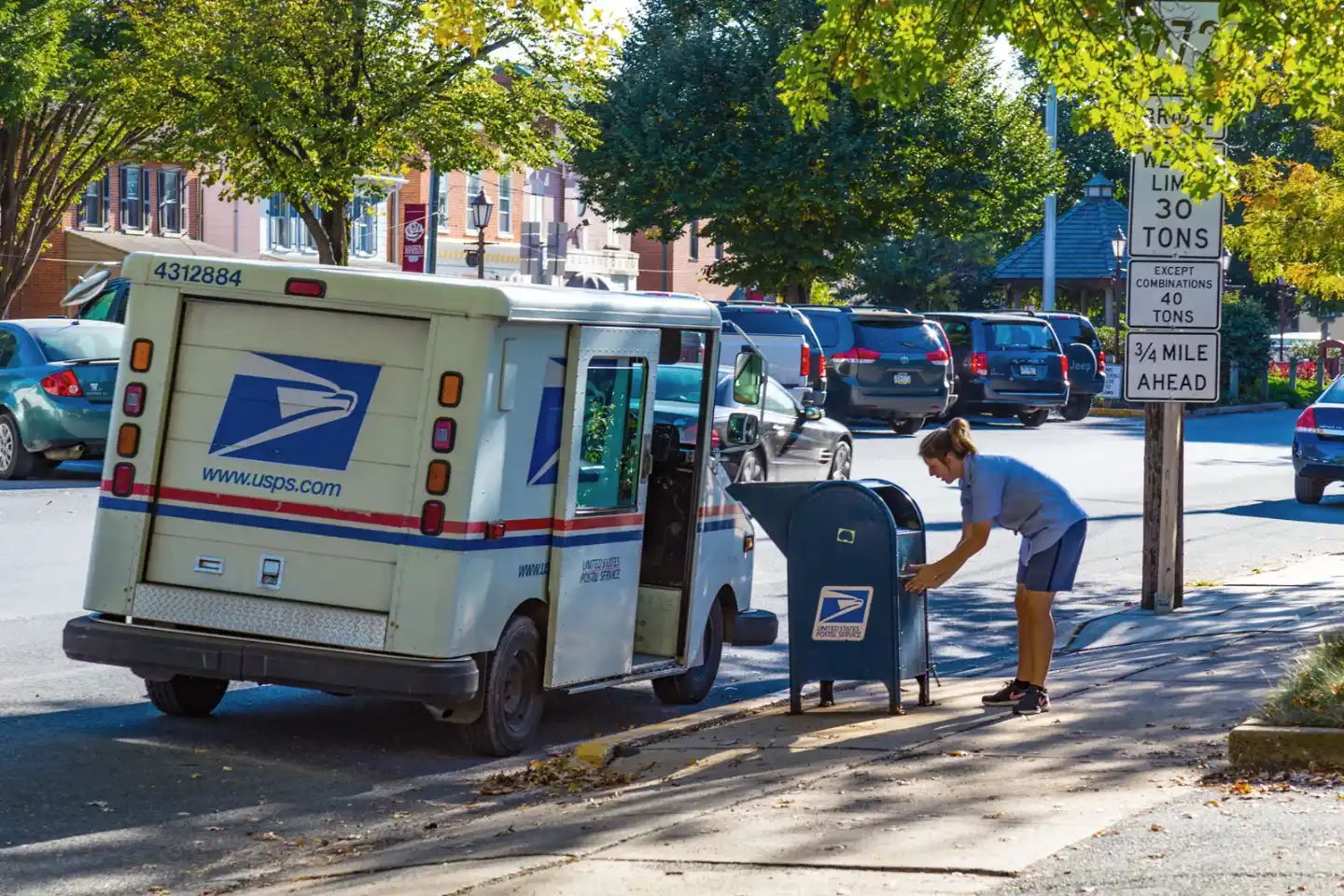
The United States Postal Service published a regulation to establish more efficient controls in the handling of election ballots
Shipments that do not meet the conditions would be rejected and returned to the election officials for correction. Additionally, the envelopes must display the official ''Election Mail'' logo, be compatible with the Postal Service's automated equipment, and have a unique barcode.
For the Trump administration, these requirements represent a tool to strengthen the integrity of the electoral process without granting the USPS access to the content of the ballots. The agency clarified that its employees will not be authorized to open sealed mail for inspection and that they will not collect information about voters' party affiliation or examine the content of the votes.
USPS will only retain information generated from the exterior of the mail pieces, such as addresses and data related to the barcodes. In this way, the regulation seeks to increase the tracking capability of shipments without turning the Postal Service into an agency responsible for reviewing voters' decisions.
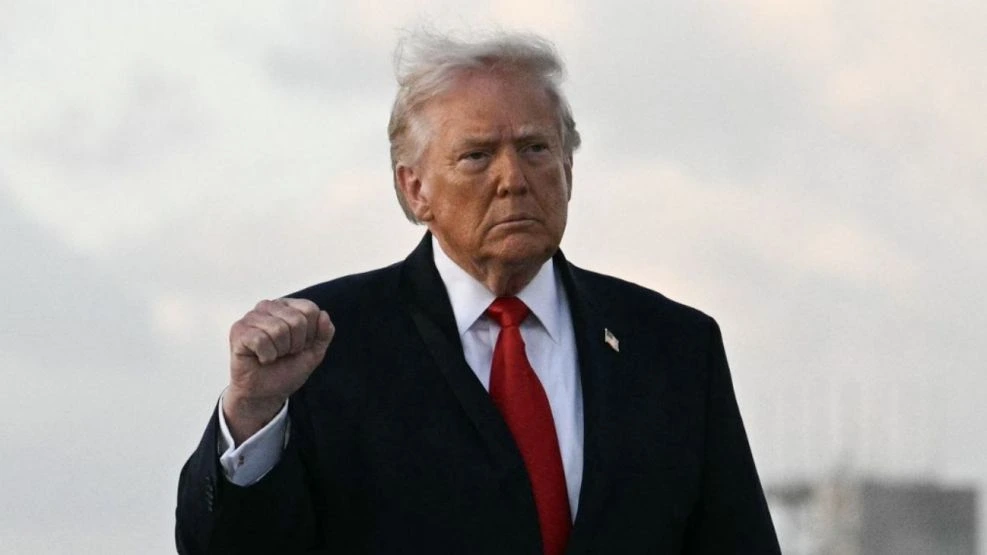
President Donald Trump signed a decree this year that established the parameters for the new USPS requirements
The new provisions stem from an executive order signed by Trump on March 31. Among other measures, the president ordered the USPS to develop rules to regulate the electoral mail used in federal elections. The order stipulated that states notify their intention to use postal service 90 days in advance and provide voter information at least 60 days before an election.
The final version is more flexible. The 90-day advance notification will be optional, while states must provide voter information at least 30 days before a federal election, ''to the extent practicable,'' or before the date set by state laws to begin sending ballots. They will also be able to make subsequent modifications.
The main obstacle to immediate implementation is two decisions by federal judge Indira Talwani of Massachusetts. On June 25, Talwani blocked the provisions of the executive order related to mail-in voting in 23 states and Washington D.C. Subsequently, on August 11, she issued another injunction that expanded the block nationwide for the elections on November 3 and any prior federal election.
Democratic Judge Indira Talwani continues to obstruct the guidelines set forth by Donald Trump to strengthen security in the electoral process
However, the USPS decided to publish the regulations despite the court orders to be prepared if the government obtains a favorable ruling before the elections. The agency argues that a quick implementation would allow election officials more time to adapt to the new requirements.
USPS General Manager David Steiner previously defended the initiative by stating that it simply seeks to verify that the ballots that states claim to send are the same ones that actually enter the postal system. From that perspective, the Trump administration presents the measure as an effort for electoral security and efficiency, while awaiting court determinations on whether its provisions can be applied before the November elections.