In a symbolic nod to the Hanukkah holiday, he described the pact as "another jar of oil" for the nation.
Minister Cohen described the signing as "a historic moment" and recalled that this is the largest export agreement ever reached by Israel.
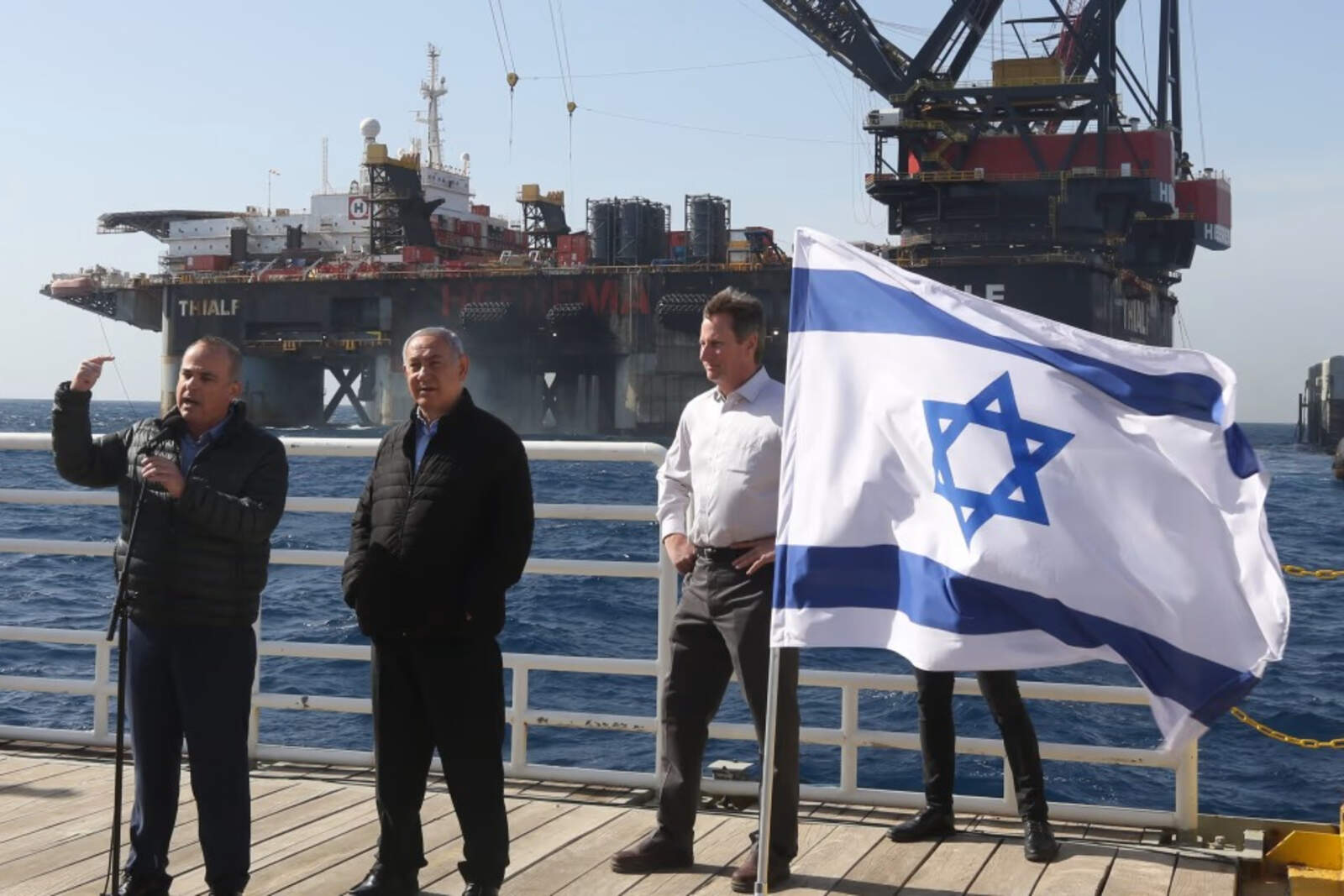

This is the largest export agreement in the history of the Jewish state
In a symbolic nod to the Hanukkah holiday, he described the pact as "another jar of oil" for the nation.
Minister Cohen described the signing as "a historic moment" and recalled that this is the largest export agreement ever reached by Israel.
After initially halting the contract over concerns about fair prices and the preservation of reserves, Cohen maintained that natural gas is a strategic asset and that the approved framework guarantees long-term investment and regulatory stability.
The geopolitical dimension is also key. The United States played an active role in unblocking the understanding, with the intention of strengthening ties between Israel and Egypt through shared economic interests.
In a context of tense relations after Hamas's attack on October 7, 2023, and the war in Gaza, Washington sees energy cooperation as a lever to promote greater regional stability.
Israel and Egypt have established themselves in recent years as gas exporters after major offshore discoveries.
The Leviathan field, one of the largest in deep waters worldwide, has supplied the Israeli market since 2019 and has exported to Egypt since 2020. As of September 2025, it had already supplied 23.5 billion cubic meters to the Egyptian market.
Despite warnings about the need to balance exports and domestic consumption, the government keeps that the agreement combines economic growth, energy security, and strategic diplomacy, reinforcing Israel's place as a reliable supplier and a driver of stability in the region.





Prime Minister Benjamin Netanyahu announced the approval of the largest energy agreement in Israel's history: a natural gas export contract with Egypt that promises to inject billions of shekels into the Israeli economy and consolidate the country as a central player on the regional energy map.
According to details provided by Netanyahu in a message together with Energy Minister Eli Cohen, the agreement — valued at 112 billion shekels (about 34.7 billion dollars) — will generate 58 billion shekels in revenue for the state.
In the first four years, the treasury will receive around 500 million shekels annually, a figure that will grow progressively until it reaches about 6 billion per year by 2033. These resources, the prime minister emphasized, will be allocated to education, health, infrastructure, security, and the well-being of future generations.
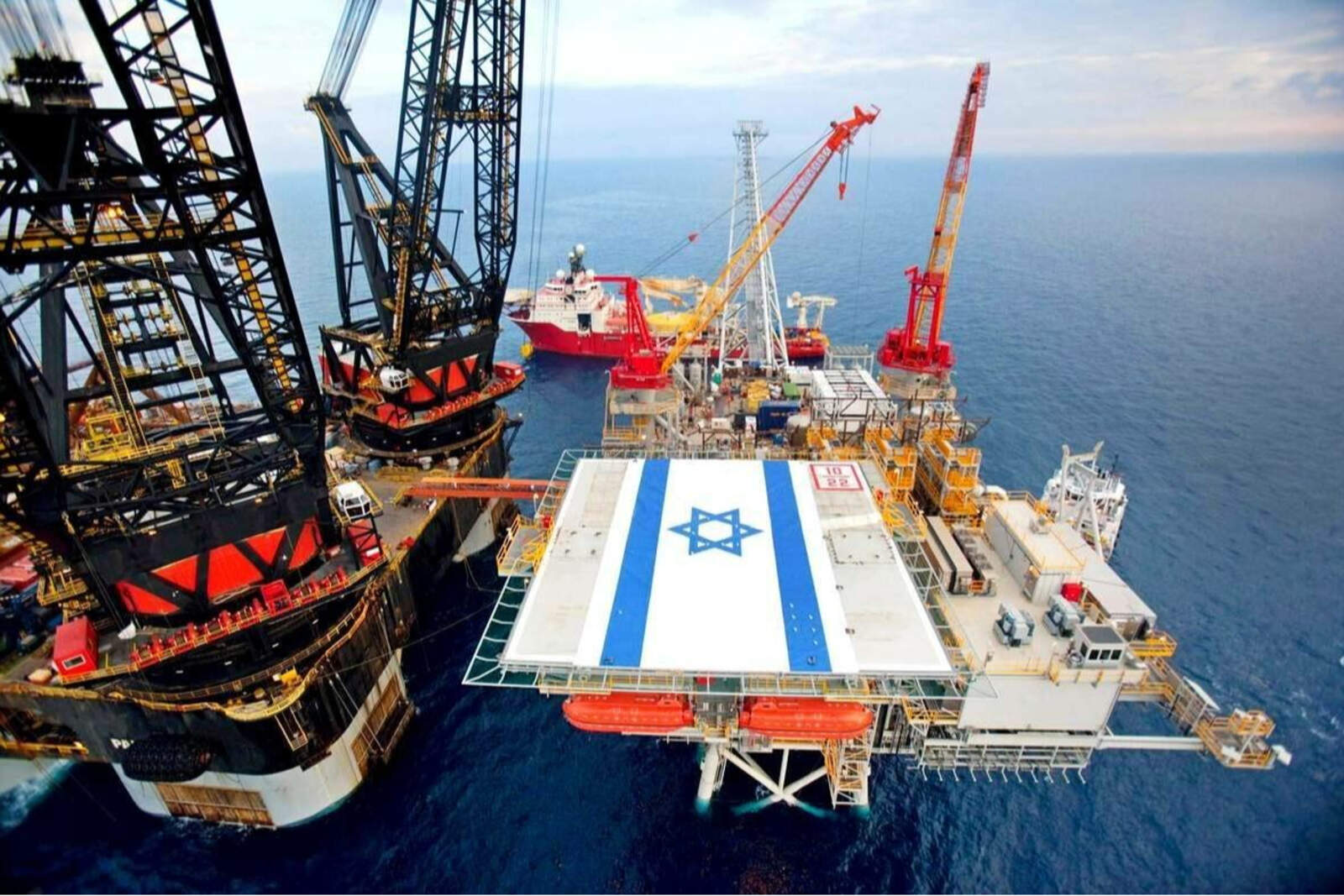
The contract is structured with U.S. company Chevron and Israeli partners, who will supply gas to the Egyptian market.
Netanyahu stressed that he gave the green light to the agreement only after ensuring that Israel's vital interests were preserved, including energy security and the obligation to sell gas to the domestic market "at a good price".
For the government, the impact goes beyond the economic dimension. "The agreement greatly strengthens Israel's position as a regional energy superpower and contributes to stability", Netanyahu stated, noting that it will also encourage new exploration in Israeli waters.