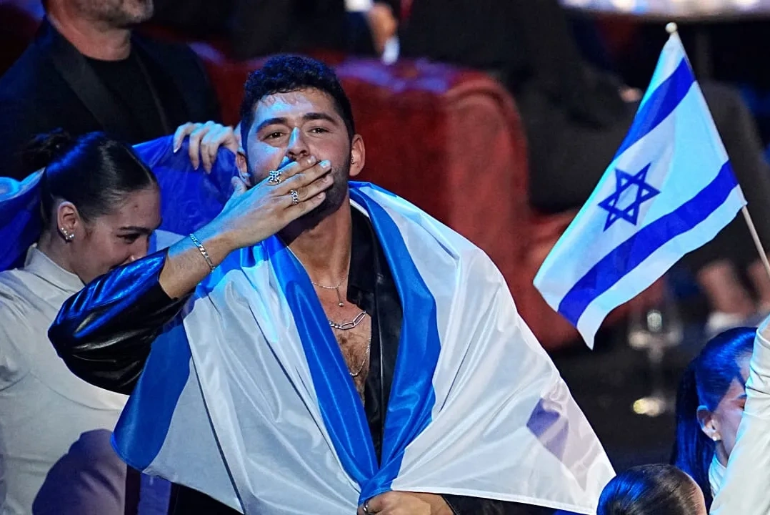
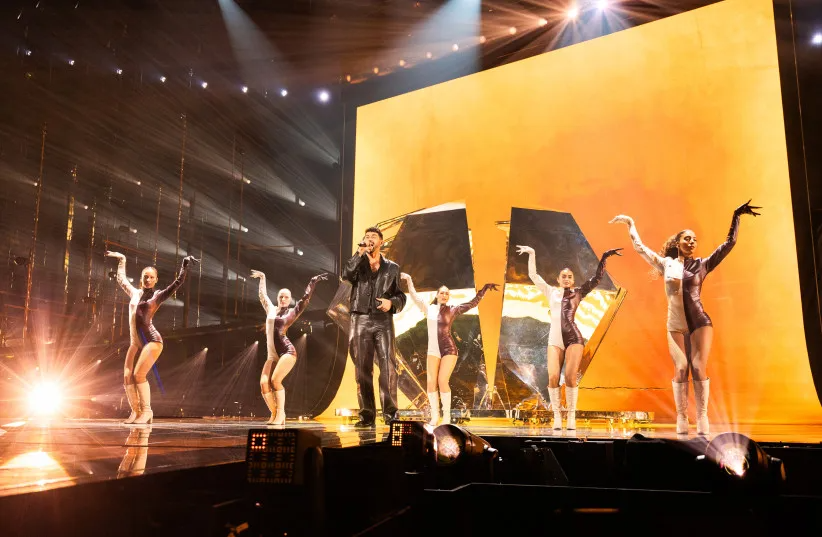
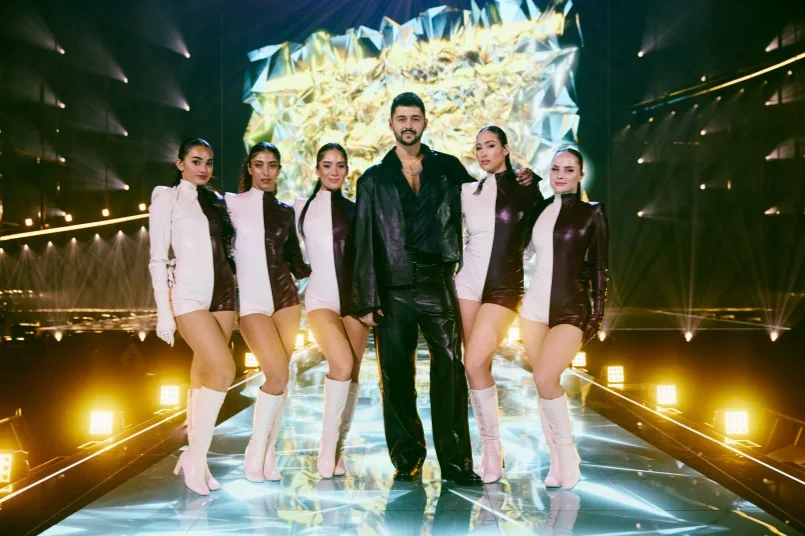
With a solid and confident performance of the song "Michelle," Noam Bettan secured second place in the traditional European contest.
Nuevo
Agregar La Derecha Diario en
Compartir:
In an edition of Eurovision marked by political pressures, protests, and calls for expulsion against Israel, Israeli singer Noam Bettan managed to turn the stage in Vienna into a demonstration of cultural resilience.
With a solid and confident performance of the song “Michelle”, Bettan secured second place in the traditional European contest, defying a boycott campaign that sought to prevent Israeli participation for months.
Israel received 123 points from national juries and another 220 points from the public, even temporarily placing first during the results reading. The popular support once again reflected an uncomfortable reality for many European political sectors: despite the controversies and diplomatic pressure, a significant portion of the audience continues to support Israel within the festival.
Noam Bettan during his presentation
The country that took first place was Bulgaria, but all eyes were on Israel's performance.
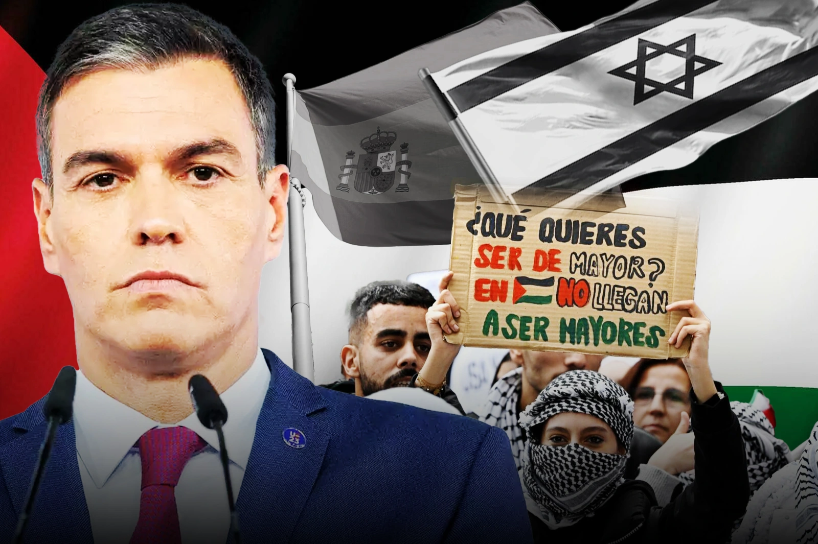
The 70th edition of the Eurovision Song Contest 2026 was marked by tensions related to the war against Hamas that began after the massacre on October 7, 2023. Five countries — Spain, Slovenia, the Netherlands, Ireland, and Iceland — pushed initiatives to exclude Israel from the competition. Although the European Broadcasting Union rejected expelling the country, it did introduce regulatory changes that many interpreted as indirect obstacles for the Israeli delegation.
Among the most discussed changes was the reduction of the weight of the public vote in the semifinals and new restrictions on digital campaigns and social media promotion. The previous year, Israeli representative Yuval Raphael had swept the public vote, generating criticism from sectors accusing Israel of benefiting from online campaigns.
However, far from retreating, the Israeli delegation opted for a modern, dynamic presentation that distanced itself from messages of war. “Michelle” showcased a different facet of Israel: a society that, even after years of conflict, tries to preserve normalcy, music, and everyday life. Bettan, son of French immigrants raised in Ra’anana, mixed Hebrew, English, and French in a romantic pop song that connected with the European audience.
The pressure on the singer was constant. During rehearsals and the final, isolated boos were heard, while anti-Israeli demonstrations were organized in Vienna coinciding with the so-called “Nakba Day”. Nevertheless, Bettan remained calm and responded only from the stage, where his performance ultimately prevailed over the political noise.
Support for Israel was also present among international figures. Actress Gal Gadot sent a message of support before the final, while musician Boy George publicly posed alongside the Israeli representative.
Beyond the final result, Bettan's performance ended up symbolizing something broader: Israel's ability to resist attempts at international isolation and continue to occupy a visible place in one of the world's most important cultural events.