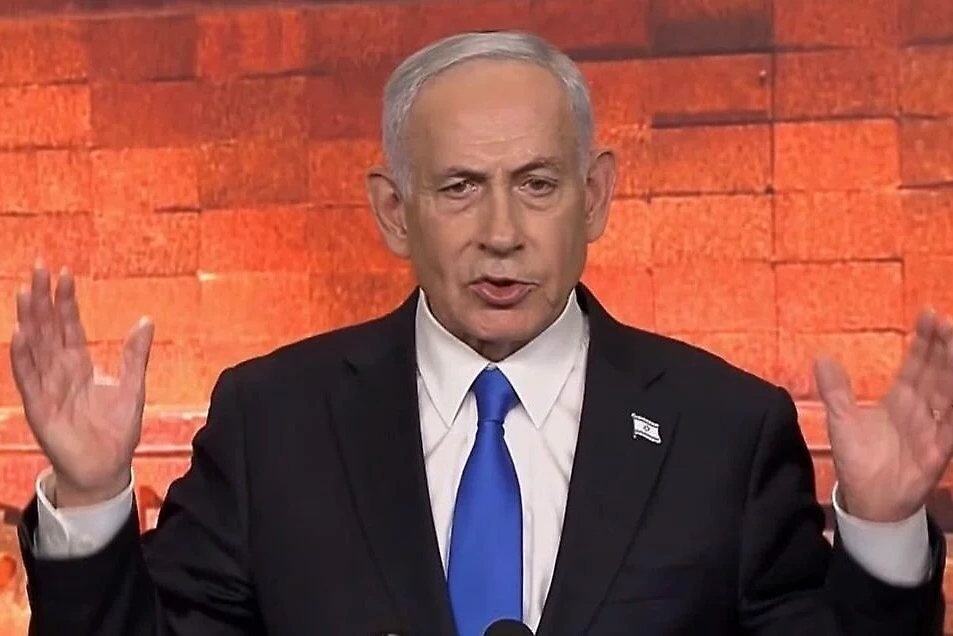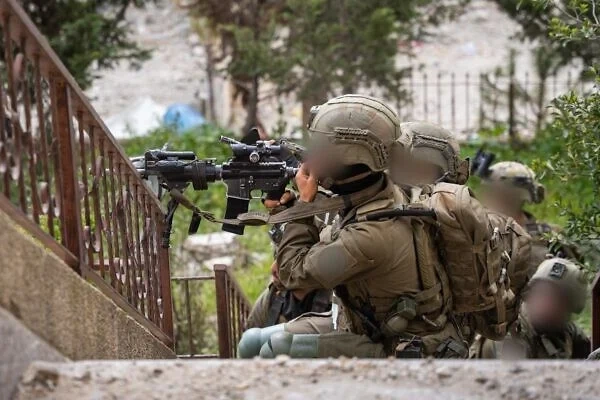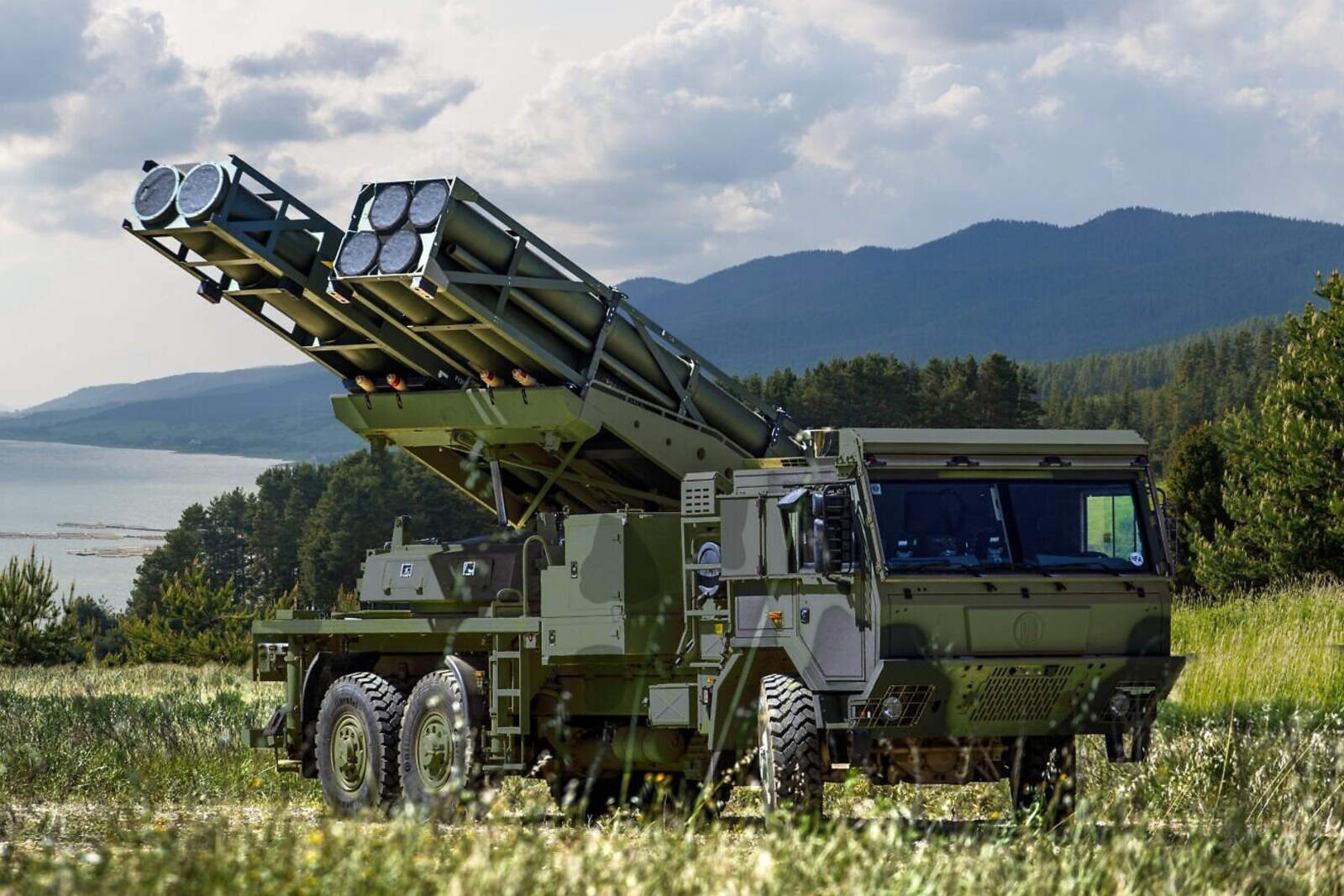

Prime Minister Benjamin Netanyahu announced that Israel will invest 350 billion shekels (about 110 billion dollars) over the next decade to develop an independent arms industry, with the aim of reducing dependence on foreign suppliers.
The announcement was made during a graduation ceremony for Israeli Air Force pilots and marks a strategic shift in the country's defense policy.
“Together with the defense minister and the finance minister, I approved a 350 billion shekel plan to build a national munitions industry,” Netanyahu stated.
Although he acknowledged that total independence is difficult to achieve, he emphasized that Israel will seek to produce domestically as many of its weapons systems as possible, including some of an aerial nature.
Currently, Israel depends heavily on the United States for fighter jets, refueling aircraft, and helicopters.
However, the country has a solid local defense ecosystem, with companies such as Elbit Systems and Israel Aerospace Industries (IAI), which are world leaders in the development of unmanned aerial platforms and advanced technologies.
The decision comes after the experience of the war against Hamas in Gaza, during which Israel faced a wave of restrictions and partial arms embargoes by various countries, including traditional allies.
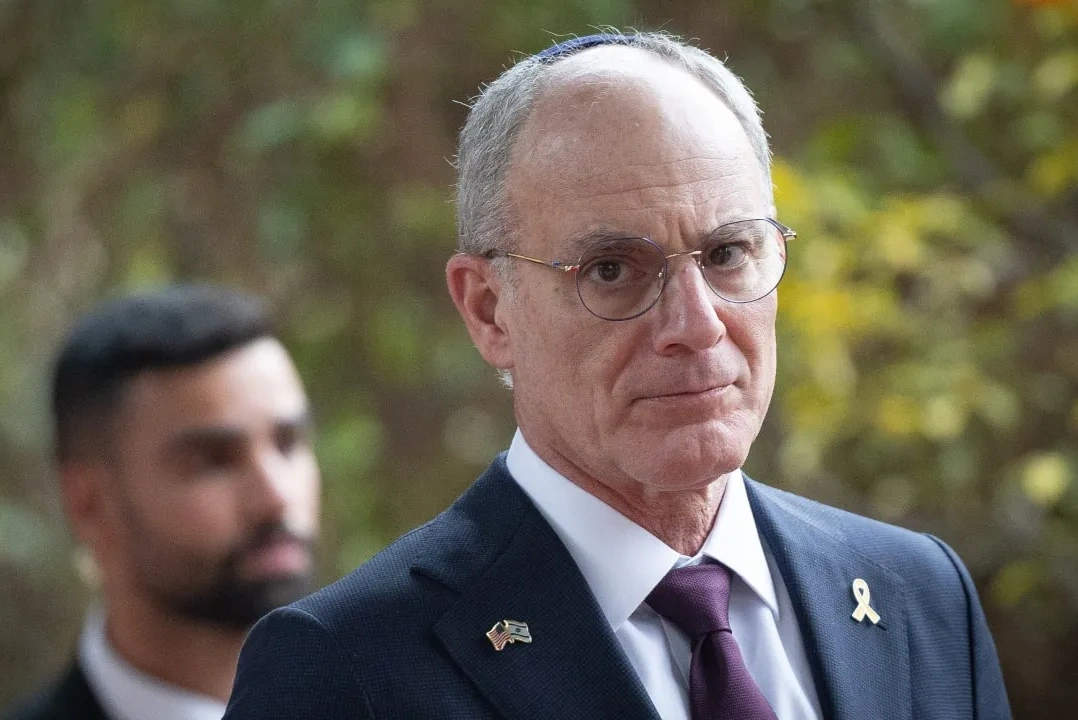
Germany, the United Kingdom, and, briefly, the United States under the Biden administration imposed limitations on the sale of military equipment.
Spain went further and approved a total embargo, banning the export of defense material and dual-use products to Israel. The Spanish prime minister, Pedro Sánchez, even went so far as to describe the war as “genocide.”
Nevertheless, official trade data reveal a contradiction: Spain continued buying Israeli weaponry, for 7 million euros in 2024 and 10.2 million in 2025, including munitions and weapons systems.
Australia has also been critical of Israel. Although Prime Minister Anthony Albanese insisted that his country “doesn't sell weapons to Israel,” his defense industry minister defended the use of Israeli military systems, stating that Australia seeks “the best equipment possible” for its armed forces.
In September, Netanyahu had already warned about the need for greater self-sufficiency, speaking of turning Israel into an economy with “autarkic” traits and into a “super-Sparta” of the 21st century in the face of attempts at international isolation. He later clarified that he was referring mainly to the field of defense.
Despite the push toward independence, Israel will maintain its strategic cooperation with the United States, including the acquisition of weaponry under the bilateral Memorandum of Understanding.
For 2026, the defense budget was set at 112 billion shekels, around 16% of the total public budget, reflecting the centrality of security in the Israeli national agenda.