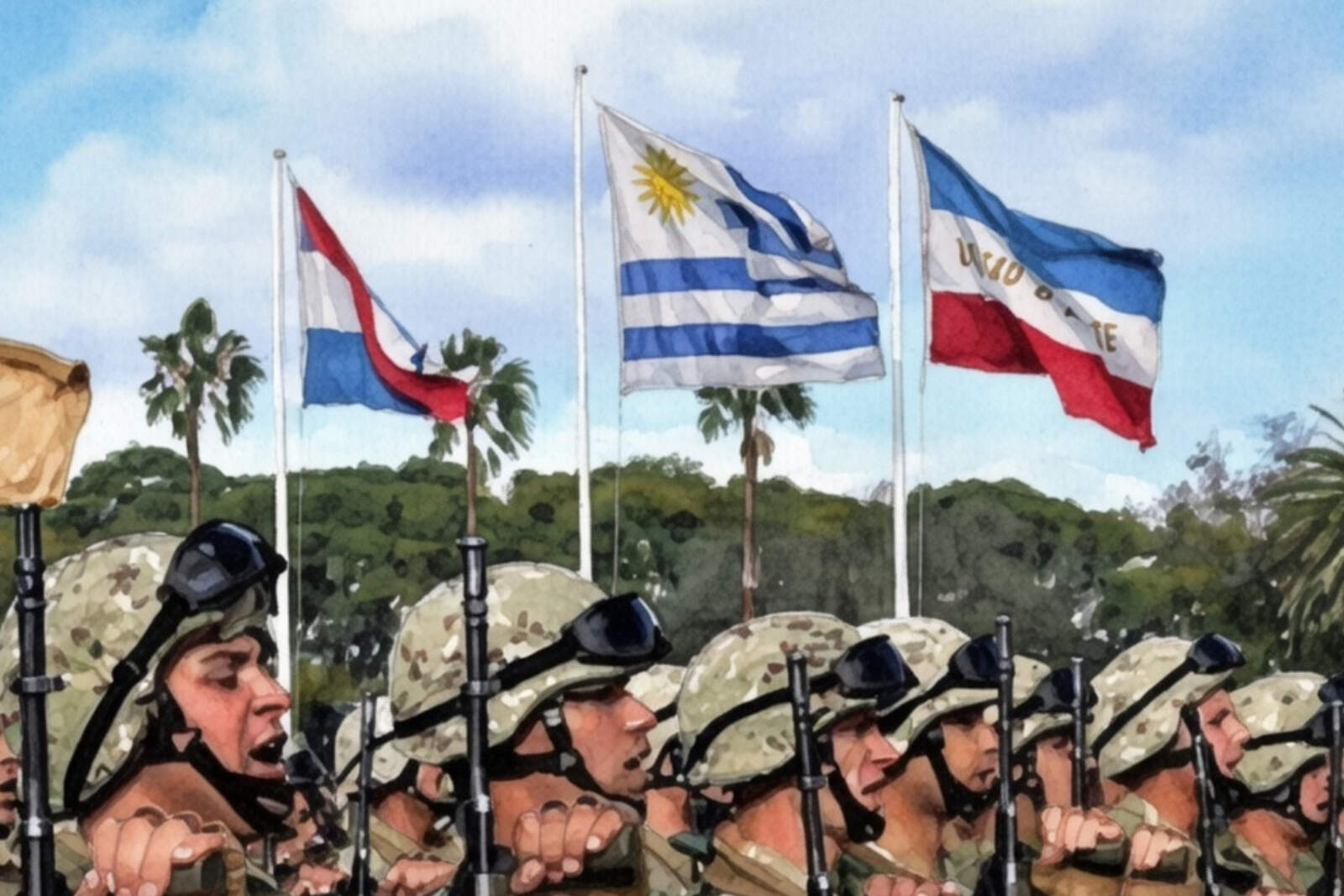

Domingo Arena Prison (INR Unit No. 8) currently houses about 32 or 35 former soldiers, former police officers, and civilians convicted of alleged crimes against humanity committed during the civic-military period (1973-1985).
Through the Prosecutor's Office for Crimes against Humanity headed by Ricardo Perciballe, dozens or perhaps hundreds of insurgents (mainly Tupamaros and communists) accused soldiers, police officers, and some civilians without evidence of alleged crimes committed between 1973 and 1985.
The alleged evidence against those who are in Domingo Arena Prison consists of testimonies from the alleged victims.
For example, an individual stated that in 1974 he was being held in a certain military unit, and that in that place he was mistreated by Ensign So-and-so or by Major Such-and-such.
Based on that, the Prosecutor's Office prepares an indictment against a soldier that is subsequently ratified by a judge.
Rigged witnesses
"Witnesses" are presented who are trained, who also join in to "identify" that a certain soldier mistreated a certain detainee in a barracks in a given year.
These witnesses generally belonged to the terrorist gang Tupamaros, or to the Communist Party, which in the midst of democracy had an illegal armed apparatus.
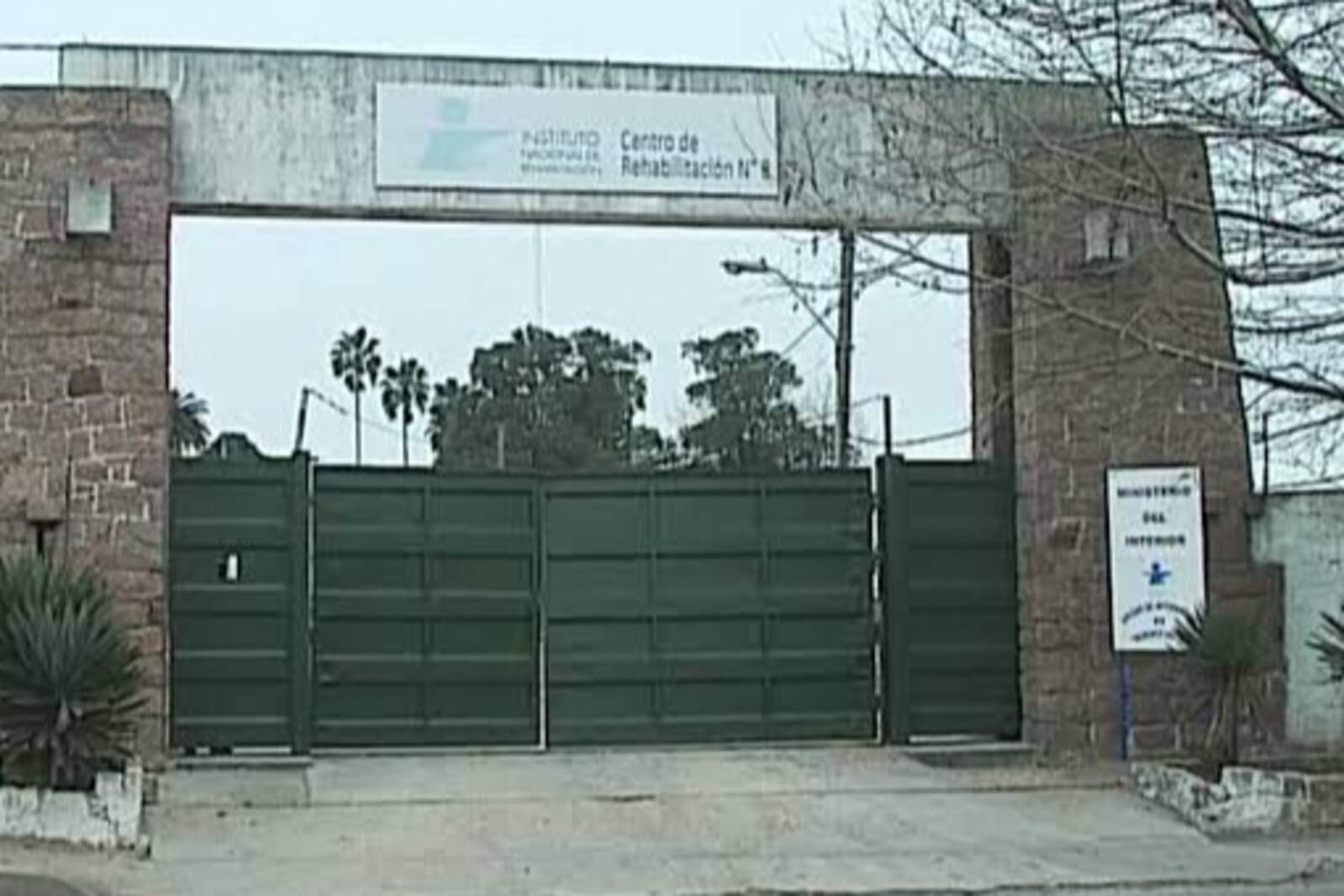
From the criminal law point of view, the indictments and convictions handed down to those detained in Domingo Arena do not have any basis.
The Expiry Law
In addition, Parliament passed the Expiry Law on the Punitive Claims of the State in 1986, a rule that prevents bringing before the courts alleged crimes committed during the civic-military period.