






In turn, vehicles up to ten years old must be checked every two years, thus extending the intervals between checks.
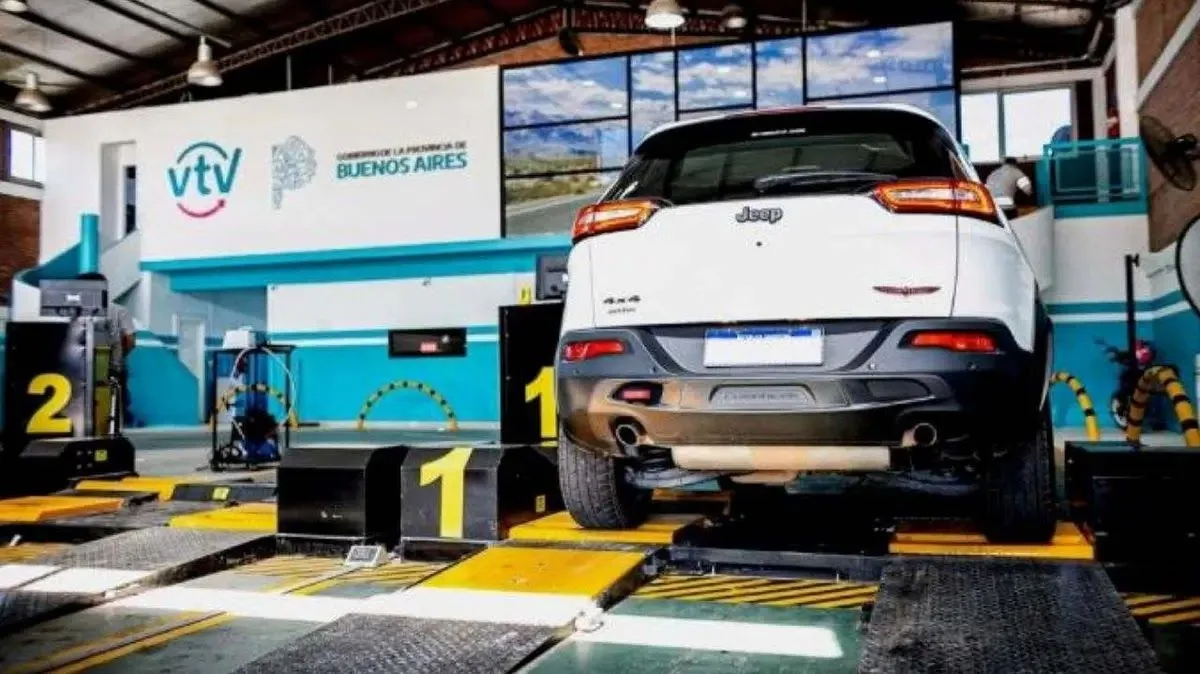
The official initiative also proposes modifications in the provision of the technical verification service. Until now, the control is carried out exclusively in plants enabled for that activity
.With the new regulations, the service could also be offered by dealers, authorized workshops, verification centers and establishments that already carry out technical checks for cargo transport vehicles.
This scheme aims to generate greater competition within the system.
As Sturzenegger explained, opening up to new service providers would reduce costs for motorists and improve the functioning of the market.The new regulations also establish that jurisdictional authorities will not be able to limit the number of workshops or set mandatory rates, which seeks to expand competition between providers.
In addition, the Executive confirmed the elimination of the Model Configuration Report (ICM), a measure that was presented as part of an administrative simplification process.