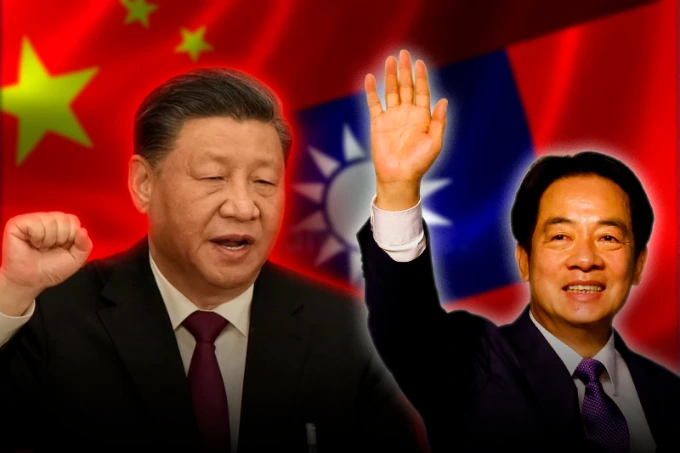
The leaders of the Chinese Communist Party (CCP) have begun their traditional annual summer retreat in Beidaihe, a closed-door meeting that this year is expected to be dominated by relations with the United States and Taiwan. According to Taiwanese security officials, the discussions could define Beijing's strategy regarding the 2026 local elections in Taiwan and lay the groundwork for the upcoming National Congress of the CCP.
The Beidaihe meeting once again highlights the centralized and opaque nature of the Chinese regime. While Beijing authorities keep much of their deliberations secret, Taiwanese officials maintain that the CCP leadership views the island's local elections as a decisive test of its policy towards Taiwan. Beijing aims to strengthen forces that align with its interests and weaken those advocating for the island's independence.
According to officials, the Chinese strategy encompasses four main lines. The first is to oppose Taiwan's military strengthening, particularly the increase in defense spending and the deployment of drones. Beijing believes these measures could alter its military advantage in the Taiwan Strait.
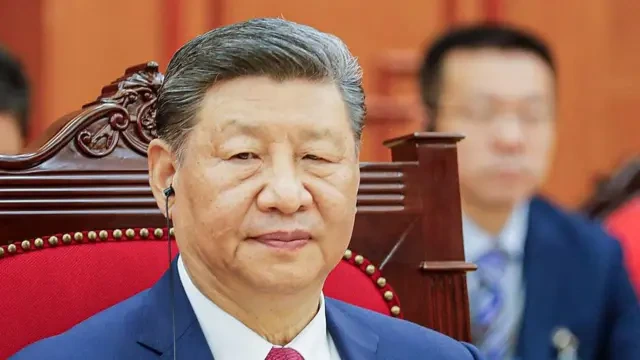
Xi Jinping prepares a new military purge as he retreats to a regime meeting to discuss the future regarding Taiwan and the United States
The second seeks to expand what the regime calls "substantive governance" over Taiwan. The goal would be to reduce the island's international maneuvering space and challenge its sovereignty aspirations through legal, psychological, diplomatic, and military tools. From a critical perspective, this strategy reflects Beijing's efforts to limit the autonomy of a democracy that maintains a political system separate from the control of the Communist Party.
The third line involves mobilizing resources to support Taiwanese groups opposed to independence and transform that opposition into support for a potential unification with China. The fourth includes using the 2026 local elections as a measure of the success of Beijing's policy, providing maximum possible support to forces deemed favorable to its objectives.
These initiatives occur as China combines increasing military pressure around Taiwan with political and economic tools. The strategy demonstrates that Beijing is not limited to military intimidation, but also seeks to directly influence the political environment of the island.
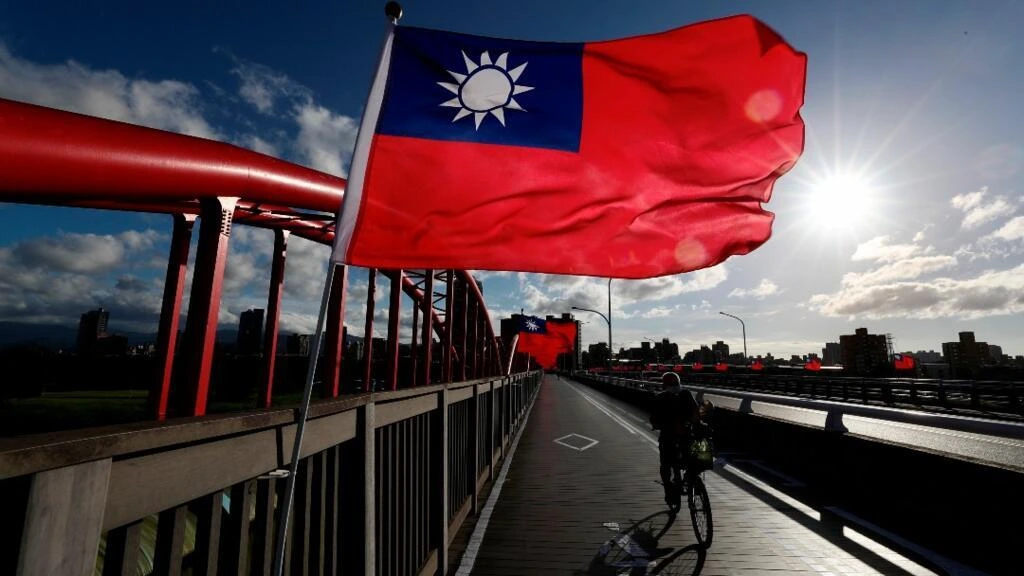
The Chinese communist regime will seek to lay the groundwork to increase military, social, and political pressure on the island of Taiwan
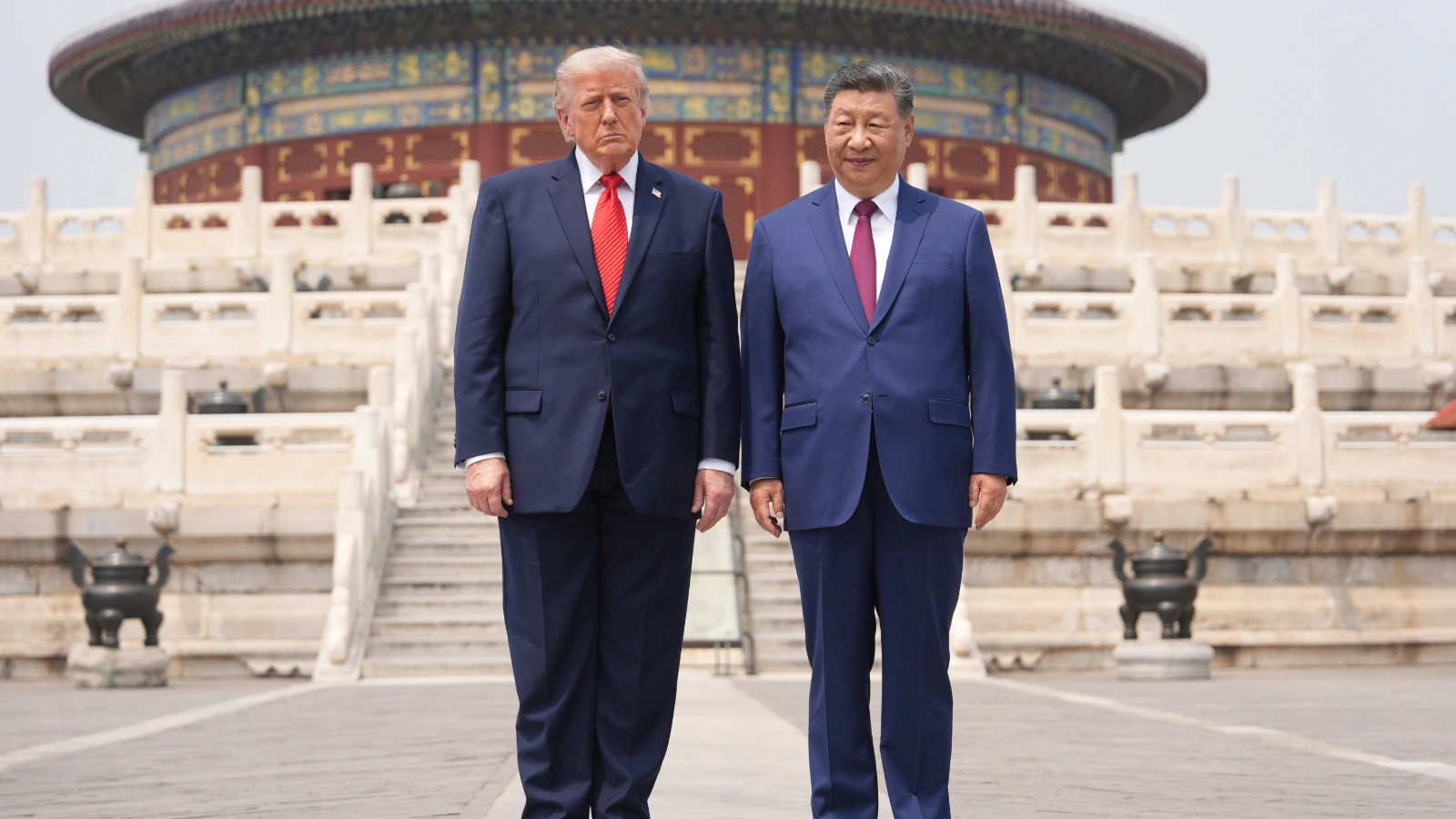
The Beidaihe discussions would also focus on the United States, especially in anticipation of a visit by Xi Jinping to U.S. territory on September 24. According to Taiwanese officials, Beijing aims to use trade and purchases to maintain ties with Washington while attempting to isolate Japan, the Philippines, and Taiwan.
Another priority objective would be to prevent new U.S. arms sales to Taiwan. Beijing believes that the island's military strengthening could jeopardize the military structure that China has developed over the years in the region. For Washington and its allies, however, Taiwan's defensive capability is a fundamental element to deter potential Chinese aggression.
China would also be trying to leverage the conflicts in Ukraine and the Middle East to increase its strategic advantage while the United States concentrates resources and attention on other regions. This strategy reveals Beijing's willingness to exploit international crises as opportunities to expand its influence.
The Chinese communist dictator is reportedly planning a visit to the United States on September 24
A new purge in Xi's regime?
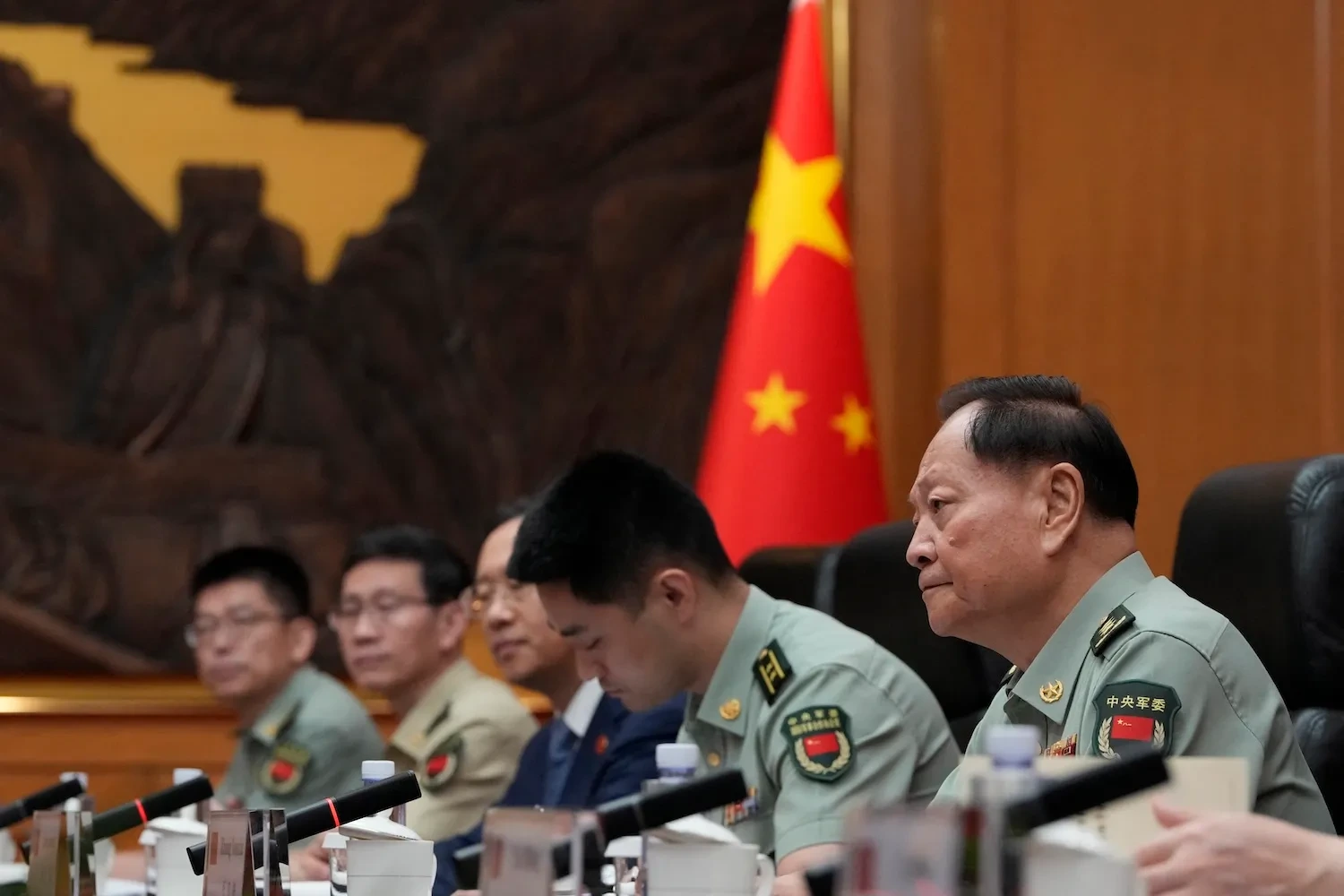
However, the discussions in Beidaihe would not be limited to foreign policy. Taiwanese officials anticipate significant changes within the Chinese military and political apparatus, including possible replacements of generals and commanders of operational theaters. Among them, the commands responsible for areas near Taiwan and Japan would be of particular importance.
Additionally, the CCP would be preparing a political purge a year before its next National Congress. The campaign would aim to eliminate the so-called "three impurities": ideological, organizational, and behavioral. In practice, this could mean punishing officials deemed insufficiently loyal to Xi, linked to internal factions, or too close to the United States and the West.
Particular concern arises over officials whose families live in the United States or maintain ties with Western countries. These measures demonstrate the extent to which the regime prioritizes personal and political loyalty to Xi over the autonomy of its officials.
The regime of Xi Jinping is considering the replacement of military commanders and has established a series of criteria for selecting the next individuals to hold the position
Beijing has already established three criteria for selecting future leaders: absolute loyalty to Xi, confidence in China's ability to defeat the United States, and, in the case of the military, complete adherence to the Chinese leader's military doctrine. Written or oral exams could even be used to assess the ideological obedience level of the officers.
Overall, the discussions in Beidaihe reveal a Communist Party increasingly concerned with preserving internal control, eliminating potential rivals, and expanding its influence over Taiwan. The combination of military pressure, political interference, ideological control, and internal purges reflects a system that concentrates more power in Xi Jinping and seems willing to use all available resources to advance its objectives regarding Taiwan, the United States, and the West.