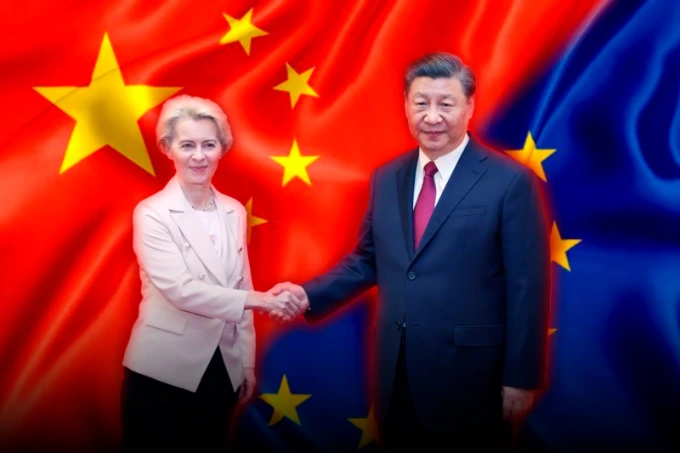
The European Union increased pressure on China this Wednesday and warned that it is willing to use all available tools to reduce a trade imbalance that Brussels considers unsustainable. The President of the European Commission, Ursula von der Leyen, stated that the goods deficit with Beijing reached 1 billion euros daily and demanded concrete results in the negotiations that both parties are holding ahead of October.
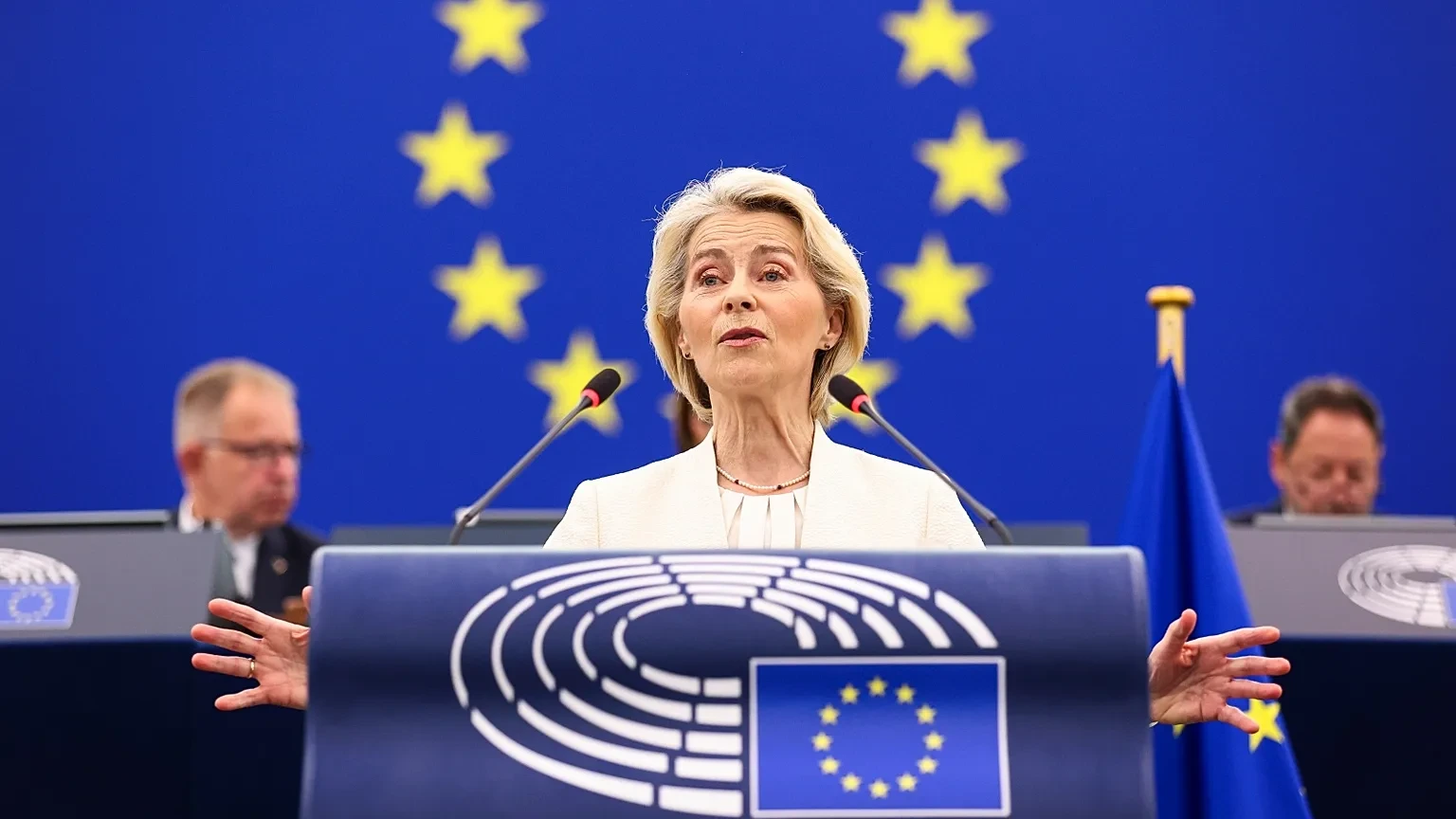
During her State of the Union address before the European Parliament in Strasbourg, von der Leyen assured that the trade relationship with China has reached a ''turning point'' and warned of a new wave of pressure on European industries. According to the Commission President, the increase in Chinese imports is already affecting communities and factories in the bloc and contributing to the de-industrialization of regions with a strong manufacturing tradition.
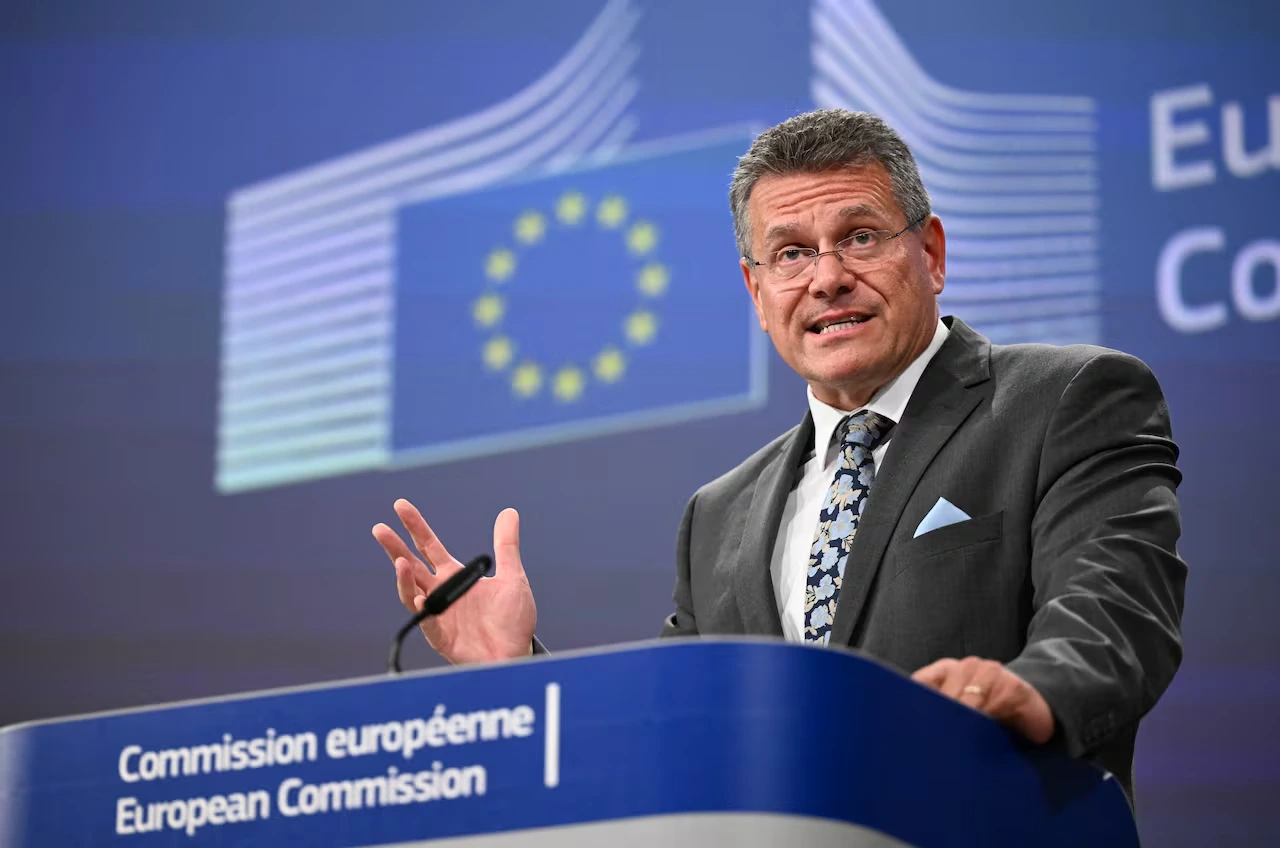
''We will use all the tools at our disposal to rebalance our relationship,'' the official stated, insisting that dialogue with Beijing must translate into concrete measures. The negotiations are led by the European Commissioner for Trade and Economic Security, Maros Sefcovic, who set October as the deadline to achieve tangible results.
The European Union assured that it is willing to use any tool at its disposal to curb the trade deficit with China
Brussels argues that there are also incentives for China to reach an agreement. Von der Leyen pointed out that weak domestic demand in China means that Beijing needs to maintain access to the European market, so both parties would have economic reasons to find a solution. The Commission aims to leverage that interdependence to renegotiate trade conditions without ruling out additional measures if the talks do not yield progress.
Recent data shows the magnitude of the imbalance. Chinese exports to the European Union grew by 6.6% year-on-year in August, down from the 16% increase recorded in July. Nevertheless, China maintained a trade surplus with the bloc exceeding 30 billion dollars for the fifth consecutive month, according to the data cited in the report. This situation raises concerns among European governments about the impact it may have on local producers.
Competition has become especially visible in industrial sectors such as automotive. The increase in Chinese exports of vehicles and other manufactured products coincides with difficulties for European companies. Volkswagen, one of Germany's leading car manufacturers, recently announced a broad restructuring process that includes tens of thousands of job cuts, in a context marked by increasing international competition.
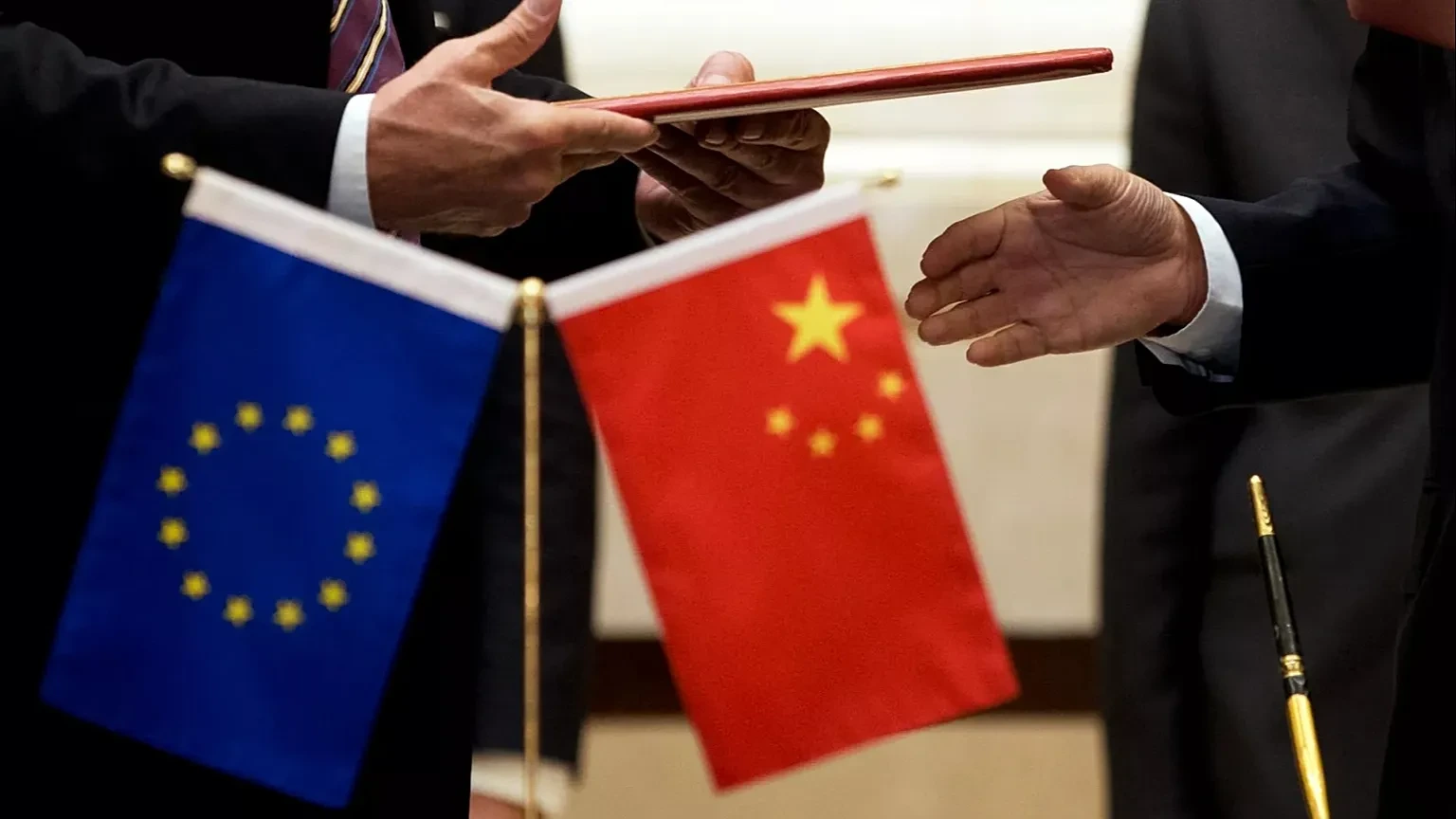
China's exports to the European Union saw significant growth in recent years, even leaving European companies in the background
For Brussels, the problem is not limited to the volume of Chinese products entering the European market. The EU also seeks to reduce its exposure to Beijing in strategic raw materials for sectors such as electric vehicles, semiconductors, batteries, clean technologies, and defense.
Von der Leyen highlighted that Europe depends on China for over 80% of numerous critical raw materials and around 90% of certain rare earths. This dependence was once again exposed by the export controls imposed by Beijing on strategic minerals, which have caused disruptions in supply chains and delays for European companies.
In light of this scenario, the European Commission announced the creation of a new structure aimed at ensuring the supply and storage of critical raw materials. The initiative seeks to coordinate purchases and create strategic reserves to reduce the bloc's vulnerability to potential external restrictions.
The trade authorities of the European Union set an October deadline for the analysis of results
This strategy is part of the EU's effort to reduce strategic economic dependencies and strengthen its industrial capacity. Brussels aims for diversification to encompass everything from the extraction and processing of minerals to their storage and recycling.
The challenge for the European Union will be to balance the need to maintain trade relations with China with the intention of protecting its industries and reducing strategic risks. With October as a key date to assess the negotiations, von der Leyen made it clear that the bloc expects concrete progress and that, if the dialogue does not produce results, it is willing to resort to the trade and economic tools at its disposal.