The Islamic Republic was elected by secret ballot to join the General Committee of the IAEA General Conference, just a week after the agency referred its file to the Security Council for non-compliance
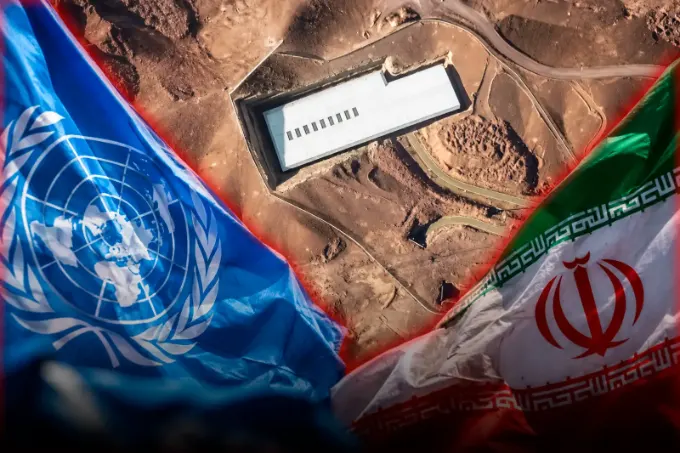
Iran secured a position on the General Committee of the General Conference of the International Atomic Energy Agency (IAEA), in a vote that took place just a week after the agency adopted a resolution to inform the United Nations Security Council about the Iranian regime's non-proliferation obligations violations.
The election was conducted by secret ballot among the member states of the agency. The Iranian mission to the IAEA confirmed the result and stated that the vote represented a rejection of the United States' attempts to prevent Iran's participation in the committee. Tehran maintained that Washington had tried to block its election, but that the member states ultimately supported its inclusion.
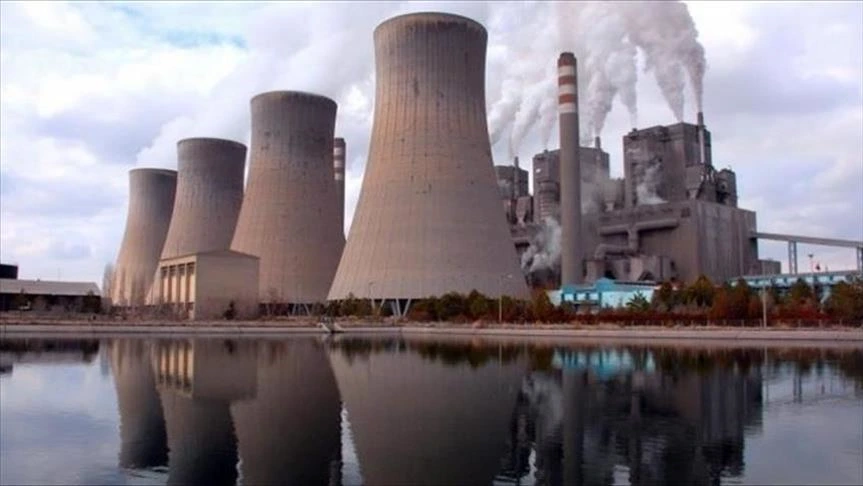
A nuclear plant of the Iranian regime
The result came at a time of intense international pressure on the Iranian nuclear program. On September 9, the IAEA Board of Governors approved a resolution to refer the Iranian case to the Security Council with 23 votes in favor, three against, and eight abstentions. Russia, China, and Niger voted against.
The decision was related to Tehran's lack of responses regarding traces of uranium found at locations that had not been previously declared to international inspectors. The IAEA also noted that Iran had not allowed the return of its inspectors to nuclear facilities affected by military attacks and that doubts remained about the fate of some of its enriched material.
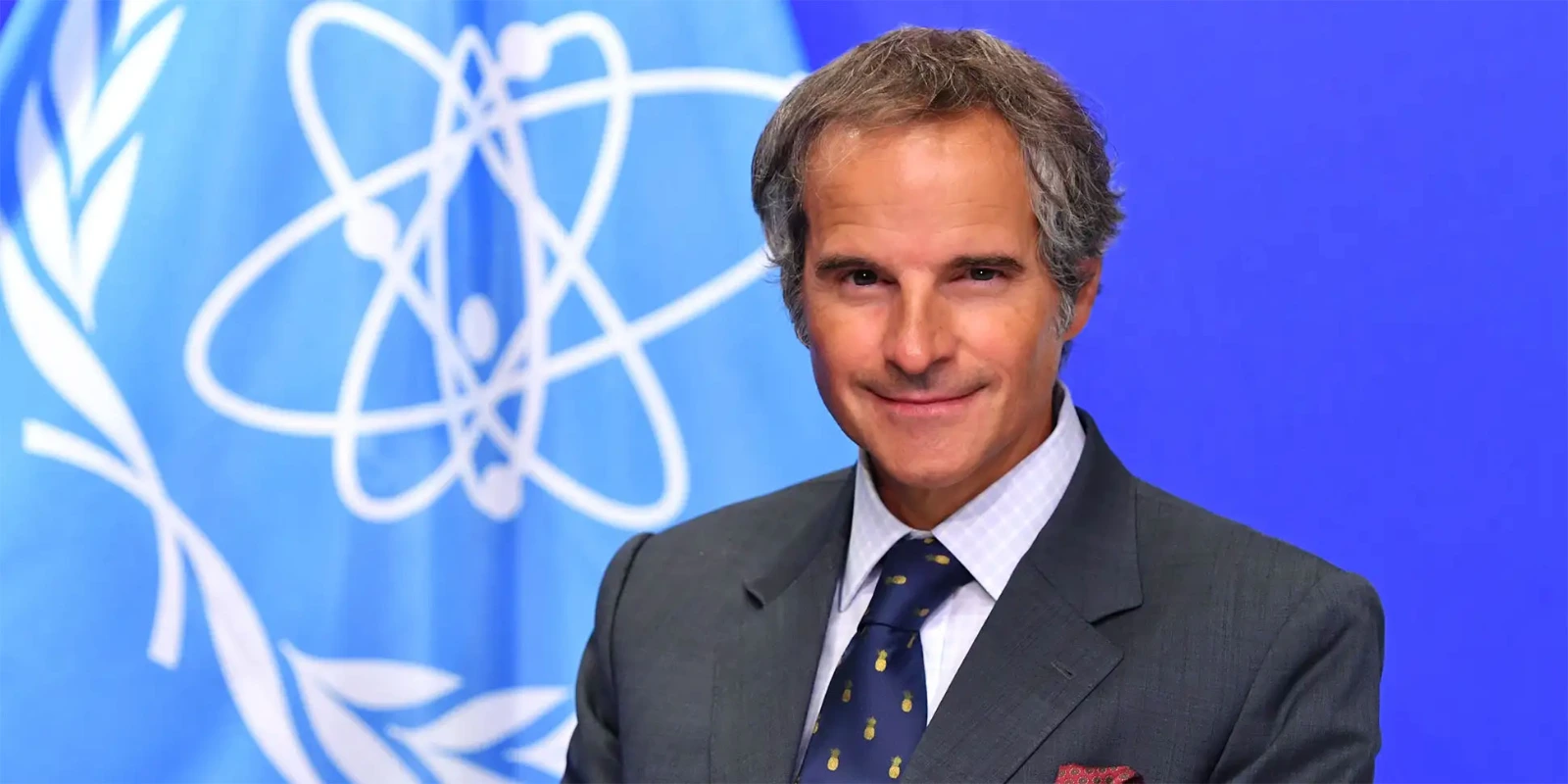
The agency's director general, Rafael Grossi, described the lack of information about the facilities and nuclear material as a serious concern for non-proliferation and demanded that the situation be urgently corrected. According to IAEA estimates, before the attacks on Iranian facilities, Tehran had 440.9 kilograms of uranium enriched to 60%, a level far above what is needed for typical civilian uses, although still below the approximately 90% considered weapons-grade.
The Director General of the IAEA Rafael Grossi
The Iranian regime rejects the accusations and claims that its nuclear program is for peaceful purposes. The Iranian delegation described the IAEA resolution as politically motivated and questioned the agency's independence.
The episode reflects the complexity of the international dispute surrounding the Iranian nuclear program: while some states support pressure measures against Tehran for its safeguard obligations, others continue to support its participation within the multilateral structures of the IAEA.