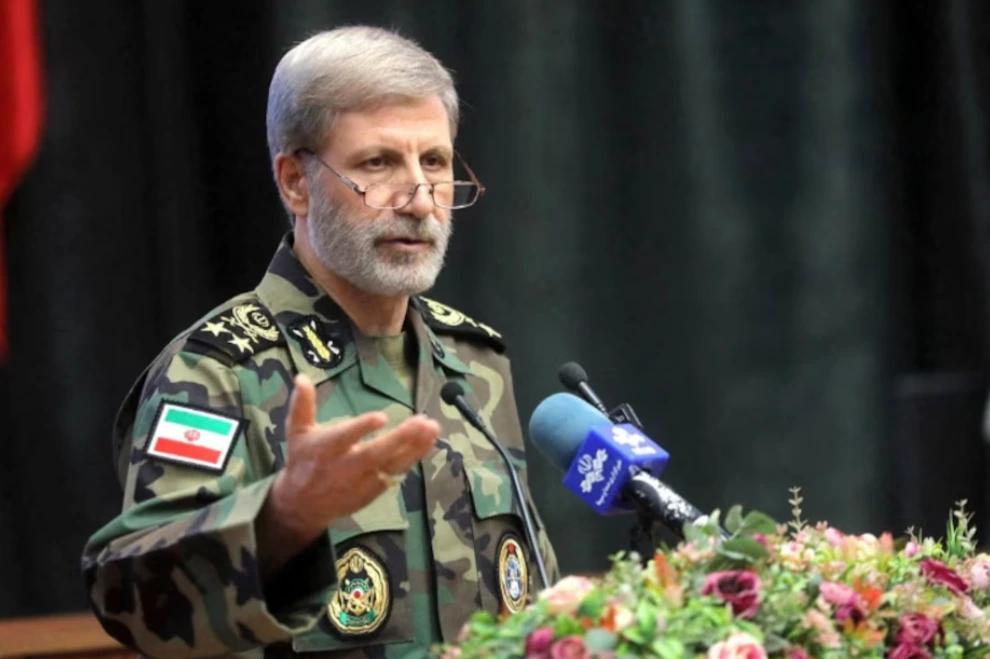

Among its main demands are the lifting of the blockade on its ports and vessels, the end of economic sanctions, and the possibility of resuming oil trade.
At the same time, it has conditioned the reopening of the strait on the fulfillment of its demands.
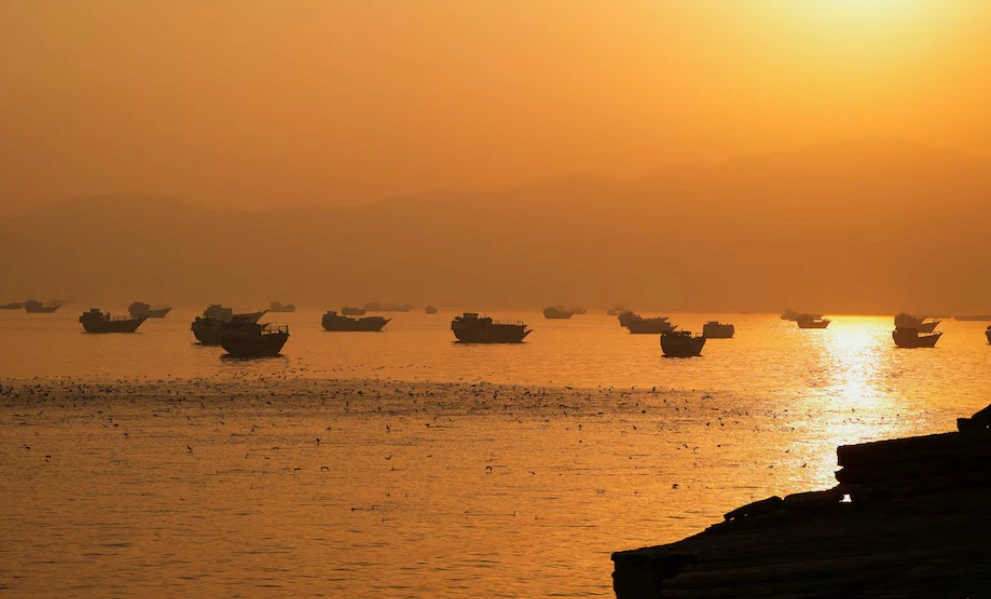
The maritime corridor is of extraordinary importance to the global economy due to the enormous amount of hydrocarbons that pass through the area daily. Therefore, a prolonged interruption could lead to increases in energy prices and affect global supply chains.
Hormuz, the new flashpoint between Iran and the U.S.
The strait has been closed since mid-July, following a new military escalation and the resumption of attacks against Iranian positions. The United States has also reimposed a naval blockade on Iranian ports and vessels.
The dispute has thus created a particularly delicate situation: the Iranian regime is trying to transform its ability to restrict transit through Hormuz into a strategic advantage against the United States.
While Tehran presents the outcome of the conflict as a victory, Washington maintains its pressure on the regime, and negotiations continue to be conditioned by the demands of both parties.
The reopening of the strait appears, in this context, as one of the main obstacles to reaching a definitive agreement.
For the regime of the ayatollahs, Hormuz is no longer just a trade route: it is one of the main bargaining chips to try to obtain economic and political concessions from the United States.