
Volvo began training humanoid robots to perform the most demanding tasks in its factories

Volvo began training humanoid robots to perform the most demanding tasks in its factories

The Swedish automotive company has started training AEON robots at its factory in Belgium. The machines learn by imitating workers and could be integrated into production by mid-2027

Share:

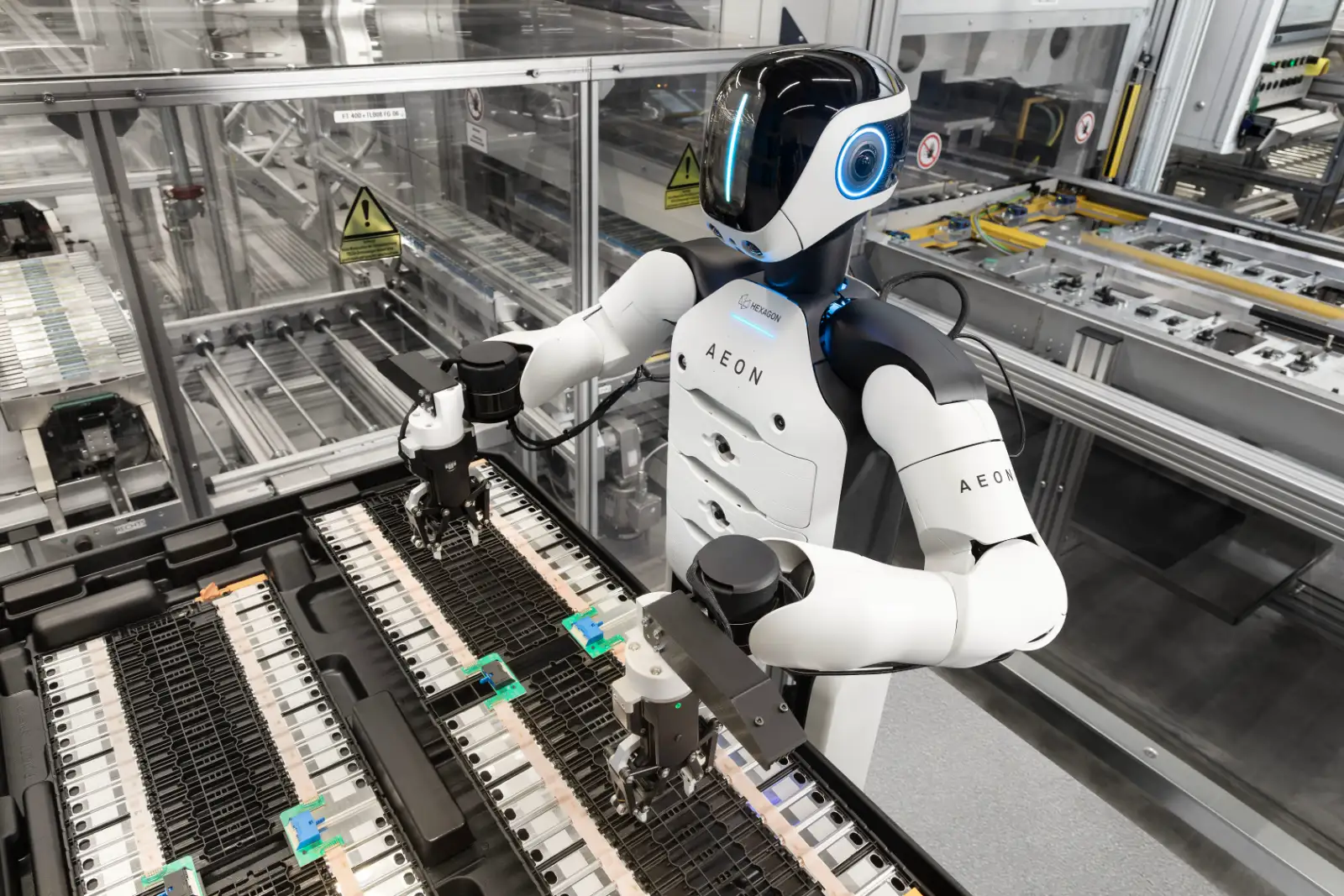
Volvo began training humanoid robots at its factory in Ghent, Belgium, to delegate the most repetitive and physically demanding tasks of automotive production. The initiative, announced on November 26, includes a learning and validation phase before incorporating these machines into industrial operations by 2027.

The devices were developed by Hexagon Robotics, the robotics division of the Swedish technology group Hexagon. Ghent became the first Volvo plant to incorporate this technology, which will operate alongside workers and existing automation systems.

The training is conducted by the automaker's own staff, in collaboration with Hexagon specialists. The first activity involves placing components on two supports with a high level of precision.

The robots use an imitation learning system, through which they observe the movements of operators and then reproduce them. Once the machines demonstrate their ability to complete an activity, the program managers progressively increase the complexity of the tasks.

In the upcoming stages, the devices will need to manipulate several parts simultaneously, move through different areas of the factory, and interact with other automated equipment.
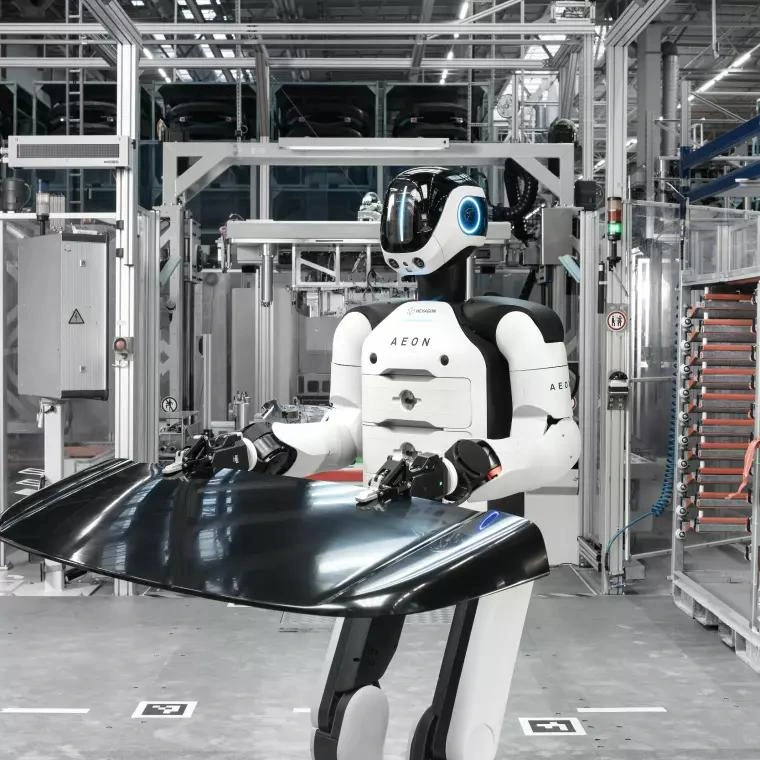
Imagen 1476596

What the humanoid robots incorporated by Volvo are like

The model selected by the Swedish automaker is called AEON and features a structure designed to operate in industrial facilities originally conceived for human workers.

The robot stands 1.65 meters tall, weighs 60 kilograms, and can lift loads of up to 10 kilograms. Unlike other humanoids, it does not have feet but uses wheels to move at a maximum speed of 2.4 meters per second.

It also has cameras and sensors that allow it to recognize its environment, identify components, and execute precise movements.

Traditional robotic arms have been part of automobile manufacturing for decades. However, they generally remain installed in specific locations and are intended to perform predetermined movements.

Magnus Nilsson, Volvo's Manufacturing Director, explained that the humanoid design of the AEON facilitates its integration into current facilities without the need to completely modify production processes.
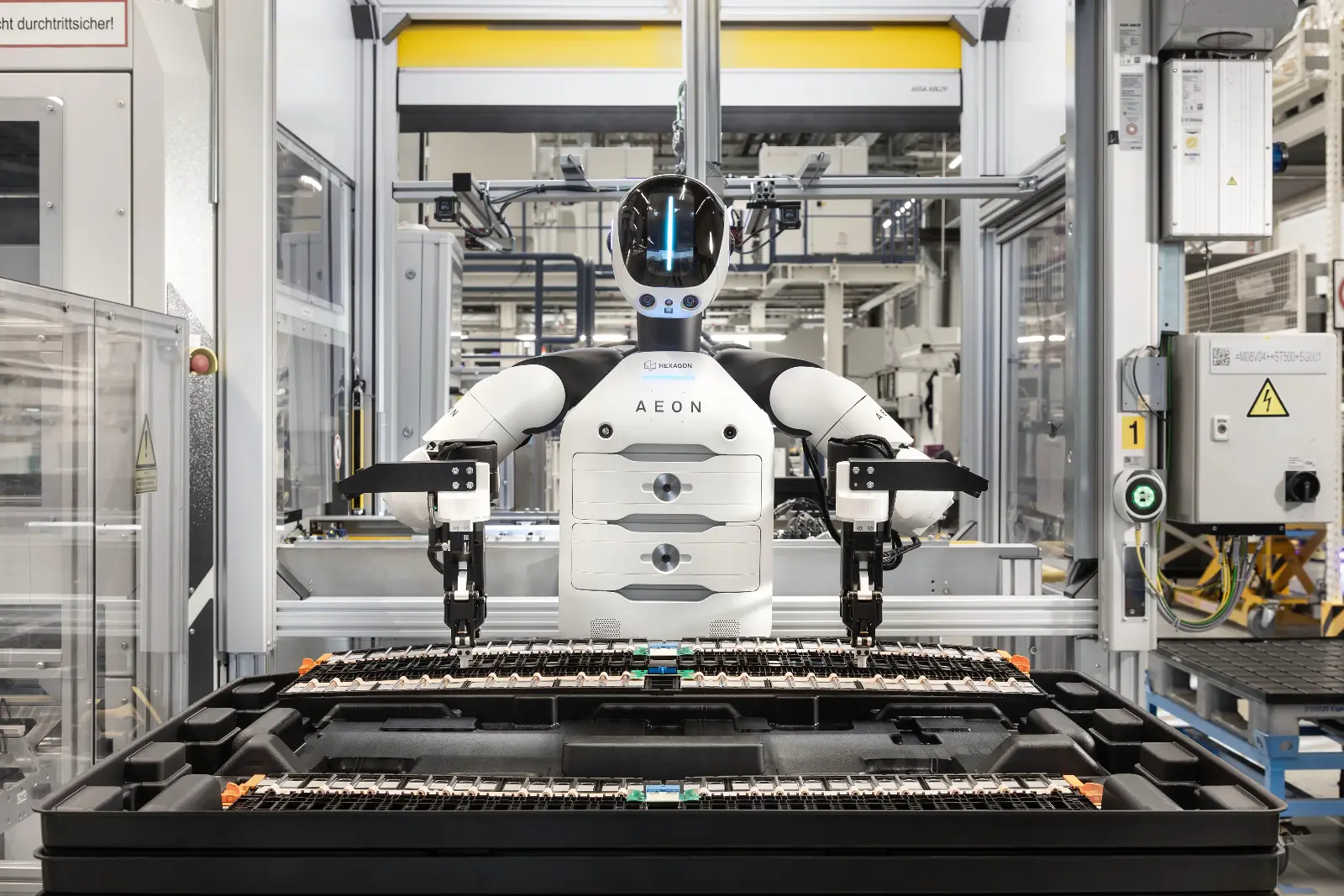
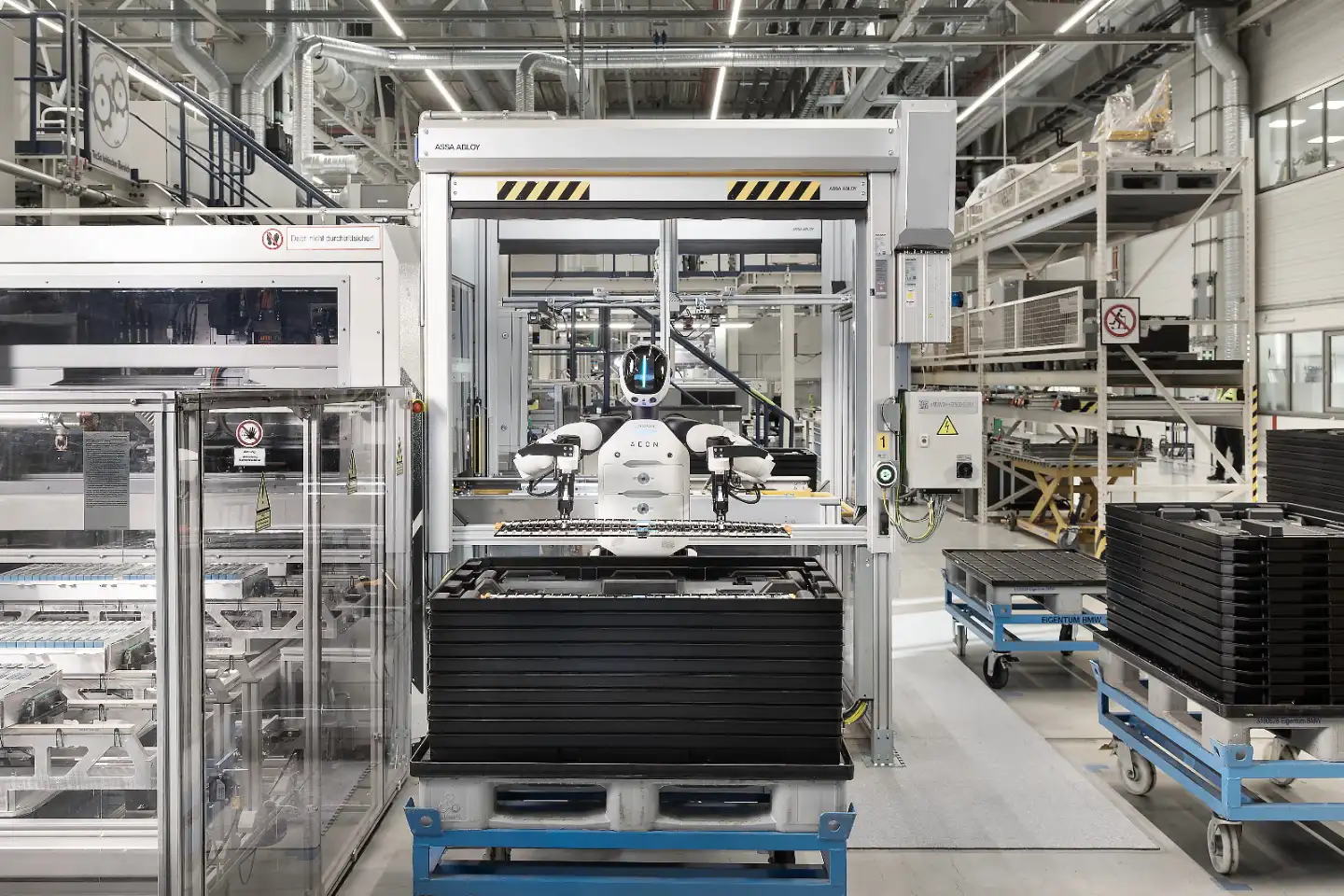
Imagen 1476595

The automaker's goal is to improve the ergonomic conditions of its employees, especially in activities that require considerable physical effort or constant repetition of movements.

For his part, Arnaud Robert, president of Hexagon Robotics, noted that the development of these machines is aimed at generating commercial value for companies that adopt the technology.

Volvo aims to incorporate the robots into production by 2027

The timeline established by the company includes a pilot test during the first half of 2027. By then, the Belgian factory would receive new units of the AEON, which will be allocated to a greater variety of industrial activities.

If the training and validation stages progress as planned, Volvo would begin using humanoid robots in its production operations by mid-2027.

So far, neither company has reported how many units are participating in the training or how much money the implementation of the program will require. They also did not provide details on the potential impact of this technology on jobs.

Imagen 1476594

BMW and Renault are also advancing with industrial automation

The incorporation of humanoid robots into automobile factories is also part of the technological projects of other companies in the sector.

BMW announced in June that it would incorporate the Figure 03 model into its Spartanburg plant in the United States to perform logistics sequencing activities. Previously, the Figure 02 had completed a pilot test in the body shop sector.

Brett Adcock, founder and CEO of Figure AI, highlighted that the eleven months of using the Figure 02 demonstrated that these machines can perform in real industrial environments, beyond laboratory tests.

Renault, meanwhile, began experimenting with Calvin, a robot developed in collaboration with the French company Wandercraft, at its Douai factory.

The device can lift two tires simultaneously, weighing approximately 30 kilograms. The French automaker plans to have around 350 humanoid robots distributed across its plants in France and Spain by the end of 2027.