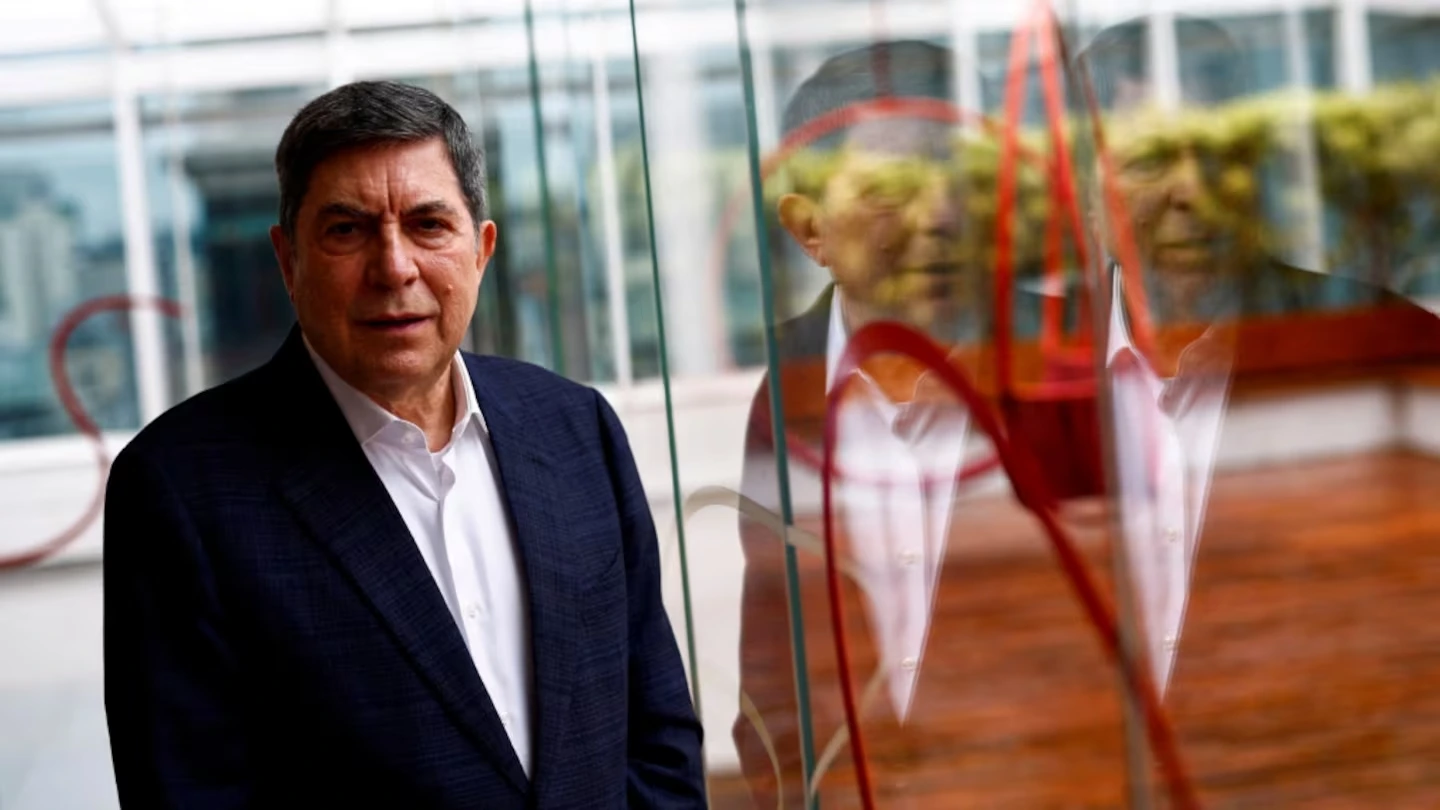
The dictator of Brazil, Luiz Inácio Lula da Silva, appointed a capitalist banker as the new Minister of Economy who advocates for a pension reform to raise the retirement age.
Luiz Carlos Trabuco, who accepted the presidential proposal on Thursday, the 26th, argues that the system must adapt to the aging population and that the conditions for accessing retirement must be modified based on the increase in life expectancy.
Through various columns published in 2026 and in meetings prior to his appointment, the banker warned that the current pension system is unsustainable and requires adjustments to contain the fiscal deficit and prevent its collapse.
Luiz Carlos Trabuco.
The stance of the next head of the Brazilian economy contrasts with one of the populist promises made by dictator Lula during his electoral campaign: not to raise the minimum retirement age during his next term.
However, the president chose a representative from the financial sector to lead the Ministry of Finance who considers permanent reviews of the pension system necessary.
Trabuco's stance on pension reform
Trabuco has been defending this position throughout 2026. In May, during a business meeting in New York, while still presiding over the Board of Directors of Bradesco, he stated that retirement reforms should not depend on political timing or electoral campaigns.
"This reform of the social security model must be a continuous process. It should not be an electoral campaign issue", he asserted.
The banker also developed his proposal in various opinion columns. He advocated for the implementation of demographic indicators that would allow for automatic adjustments to the minimum retirement age as life expectancy increases for Brazilians. To support his initiative, he referenced the pension model of Sweden.
Luiz Carlos Trabuco and Lula da Silva.
The proposal to raise retirement to 67 years
One of the initiatives that received Trabuco's support was a project developed by the Institute of Mobility and Social Development (IMDS), linked to economist Armínio Fraga, former president of the Central Bank, and pension specialist Paulo Tafner.
The study, officially published in November, proposes to gradually raise the minimum retirement age for men from 65 to 67 years and for women from 62 to 67 years. It also suggests increasing the minimum age by four months for each additional year of life expectancy.
Among the measures contemplated are the progressive equalization of retirement conditions for rural and urban workers, the incorporation of a hybrid pension system with capitalization mechanisms, and the increase of contributions from individual micro-entrepreneurs (MEI) from 5% to 11%, with some exceptions.
The authors of the document estimate that these modifications would reduce Social Security-related expenses by R$ 1.1 trillion and Continuous Payment of Benefits over a ten-year period.
Luiz Carlos Trabuco and Lula da Silva.
A change in Lula's economic orientation
The appointment of Trabuco also represents a complete shift in the economic strategy of the Brazilian socialist dictator. Lula turned to a historic figure from private banking to lead the economy starting January 2027, amid a brutal economic and financial crisis due to the enormous fiscal deficit.
In this context, the future minister argues that population aging demands structural modifications and that retirement rules must be updated permanently.
Thus, his arrival in the Government opens the possibility for a pension reform that Lula had ruled out during the electoral campaign to become part of the economic agenda of his next administration.