
In the face of the brutal economic crisis, Lula makes a sharp turn and appoints a capitalist banker as Minister of Economy

In the face of the brutal economic crisis, Lula makes a sharp turn and appoints a capitalist banker as Minister of Economy

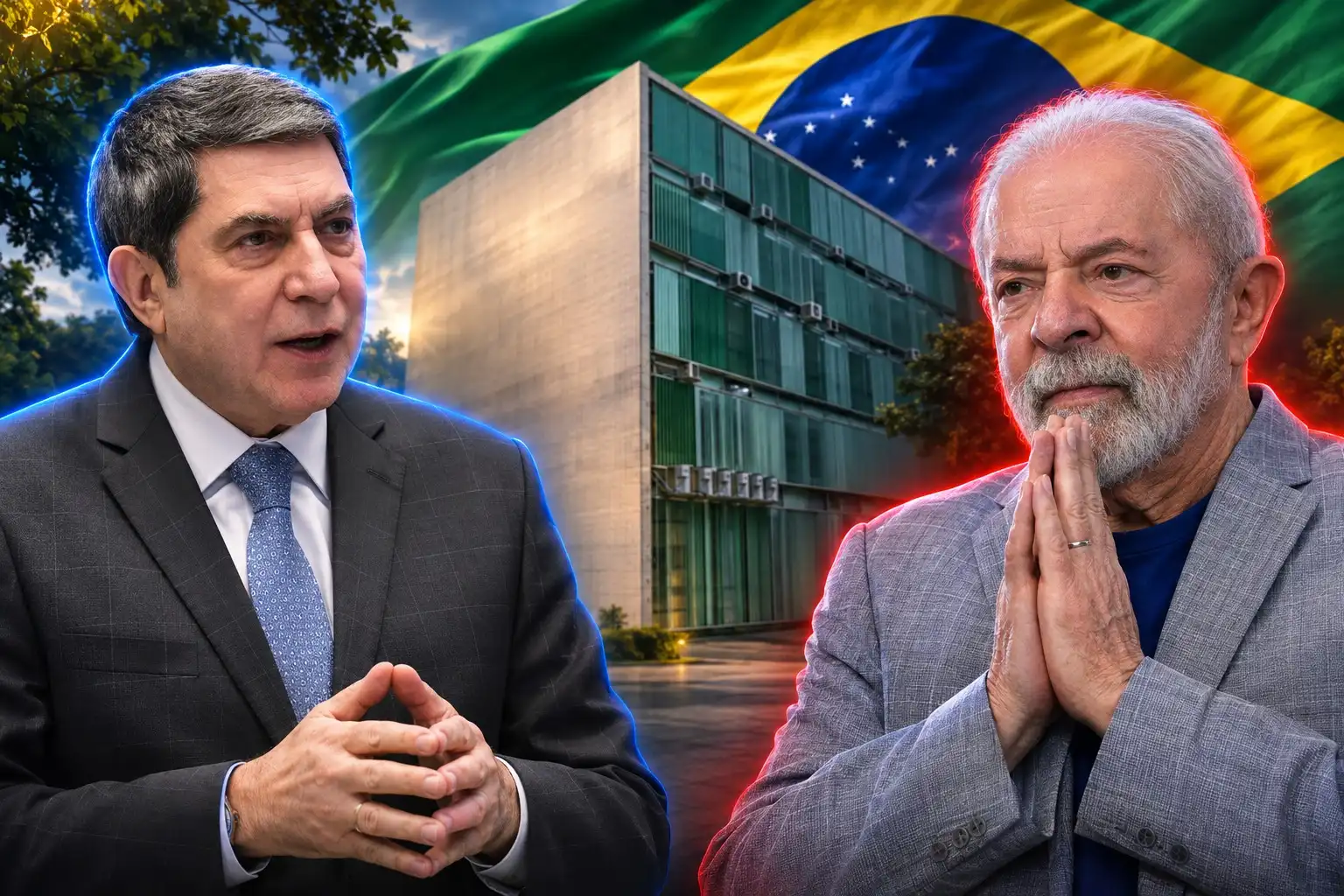
Luiz Carlos Trabuco, chairman of Bradesco's board, accepted the proposal from the Brazilian dictator and will take over the Ministry of Finance in January 2027

Share:

The dictator of Brazil, Luiz Inácio Lula da Silva, took a turn in his economic strategy and chose one of the main references in the private financial sector to lead the economy during his next term.

This is Luiz Carlos Trabuco, 75, president of Bradesco's board of directors, who has already accepted the proposal and will become head of the Ministry of Finance in January 2027.

The decision represents a significant change in the economic orientation that the Brazilian regime seeks to transmit, after weeks of declines in financial markets following the re-election of dictator Lula and the sharp deterioration of economic and public accounts.
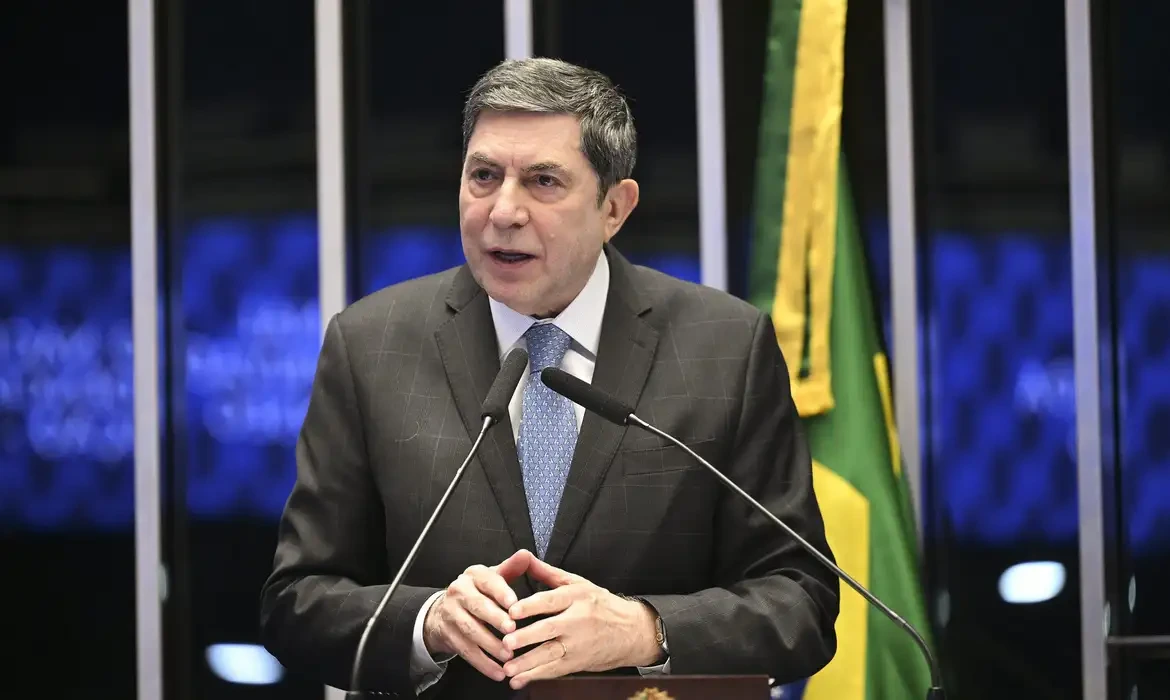
Luiz Carlos Trabuco.

The Brazilian president turned to a banker with more than five decades of experience in the private sector to try to regain investor confidence and face the economic crisis

.

The confirmation came after a meeting between the two leaders in Brasilia, during which Trabuco formally accepted the presidential invitation. The decision was also communicated by Bradesco to its shareholders and to the market

.

The appointment took place in a complex economic context for Brazil. During Lula's current administration, gross public debt increased by more than 11 percentage points and reached 82.9% of Gross Domestic Product

(GDP).

Added to this are investor concerns about the growth of public spending and the Executive's difficulties in moving forward with adjustment measures to tidy up fiscal accounts.
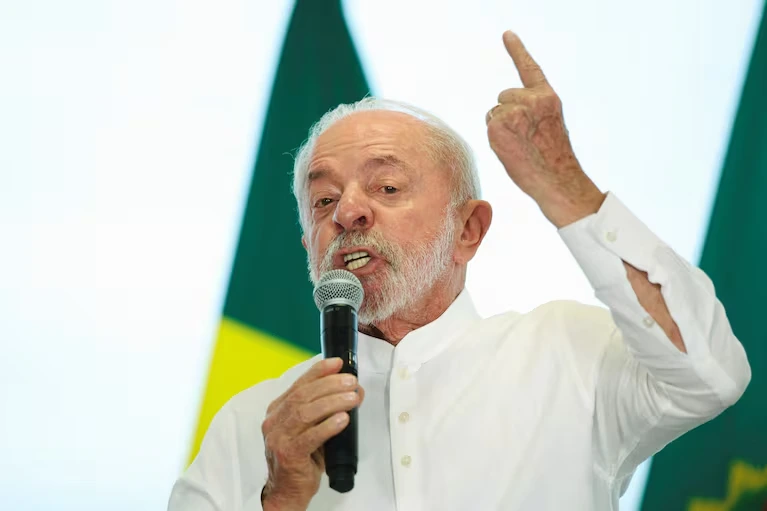
Lula da Silva.
Lula da Silva.

The market reaction and Lula's turnaround The

possibility of Trabuco taking over the Ministry of Finance had already generated a positive reaction among investors before official confirmation. On Thursday, Brazil's benchmark stock index rose 6.07%, while the commercial dollar fell 1.25% and closed
at 5.74 reais.

The behavior of the markets reflected expectations that the arrival of a benchmark in the private banking system could bring greater economic predictability and fiscal discipline to the next administration.

After his re-election in October, the socialist president had defended his social spending commitments and questioned investor pressure to change economic policy.

However, the growing economic and financial crisis ended up placing a representative of the banking sector at the center of his strategy for the next term.

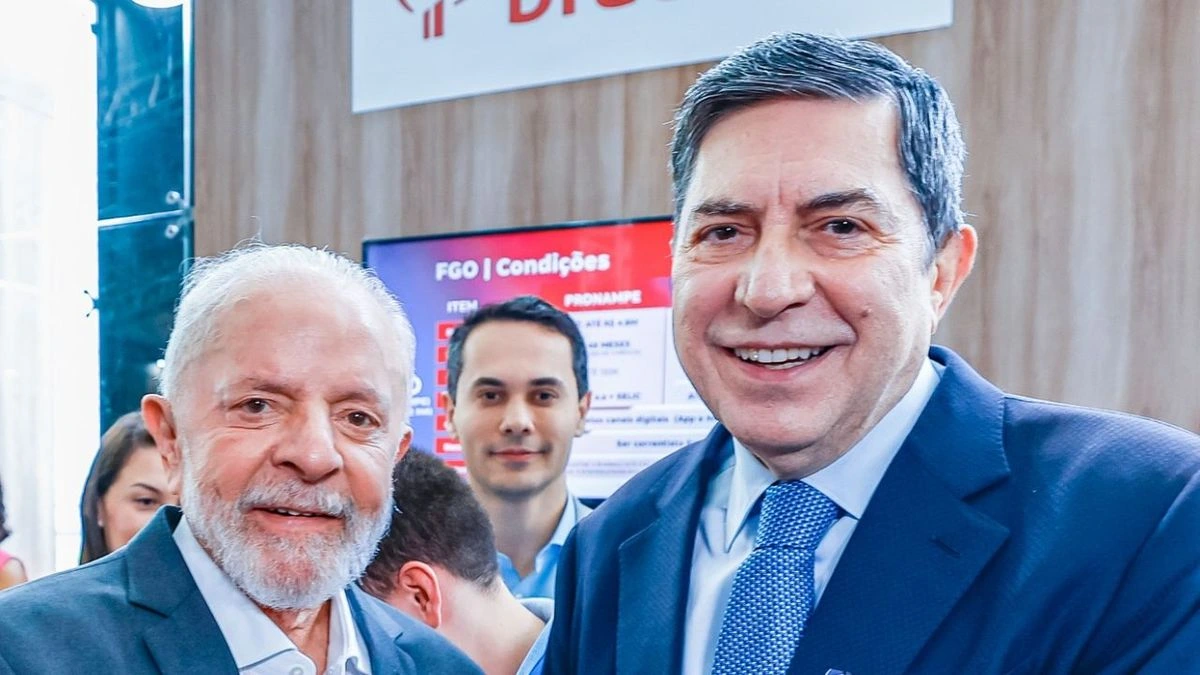
Luiz Carlos Trabuco and Lula da Silva.

Who is Luiz Carlos Trabuco Trabuco spent

practically his entire professional career at Bradesco. He joined the entity at the age of 17 as an administrative employee and rose for more than four decades to become executive president in 2009, a position he held until 2018, when he became president of the board of directors

.

During his tenure, he was in charge of important operations for the bank, including the acquisition of HSBC's Brazilian operations in 2015.

With a degree in Philosophy from the University of São Paulo and a postgraduate degree in sociopsychology, he maintains a relationship of trust with Lula and is considered one of his main partners in the financial sector.

Its main challenge will be to meet market demands to control debt and put fiscal accounts in order, while being part of a left-wing government that only seeks to increase spending.

The appointment thus marks a shift in the economic strategy of Lula, who chose a historic private banker to try to regain investor confidence.