The United Kingdom has elevated the conflict over illegal oil exploitation in the Falkland Islands to its national security agenda and targeted the measures taken by the government of Javier Milei to block hydrocarbon activities in the archipelago.
In an official statement published this Friday, London described the Argentine actions as "economic coercion" that threatens its security and reaffirmed its commitment to defend the alleged "British sovereignty" over the overseas territories.
The declaration represents a new reaction from the British government to the policy promoted by Milei's administration to strengthen legal and administrative mechanisms aimed at preventing the exploitation of natural resources in Argentine maritime spaces without national authorization.
While trade and legal tensions over oil in the Falklands have precedents, this is the first time in democracy that the United Kingdom formally categorizes Argentine economic measures as a threat within its national security agenda.
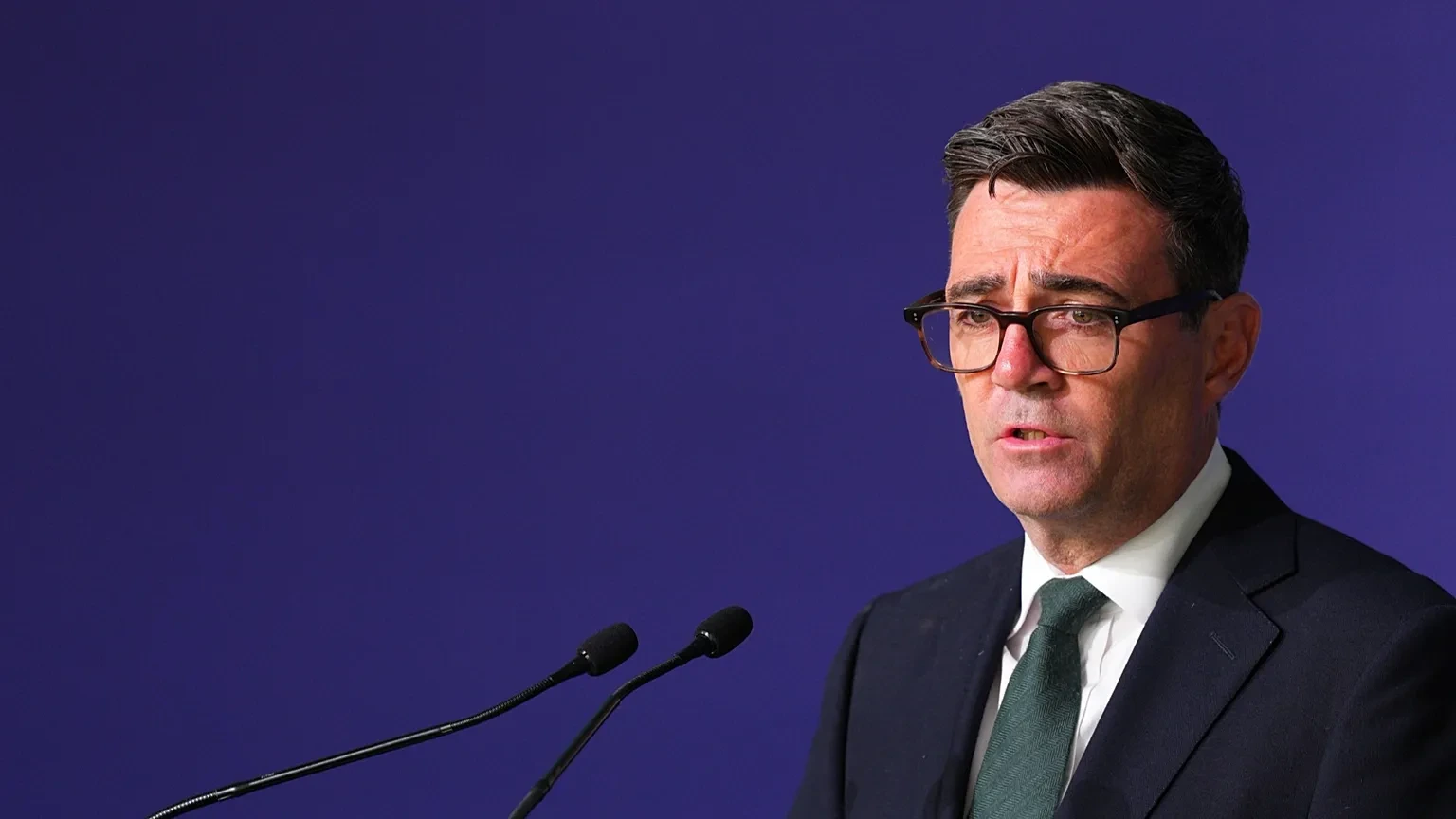
The Prime Minister of the United Kingdom.
"For security purposes, the territories are considered part of the national territory; the United Kingdom reaffirms its commitment to defend British sovereignty over each territory against external threats, including Argentine economic coercion towards the Falkland Islands", states the document from the Joint Ministerial Council (JMC), held in London from November 23 to 26.
The statement also establishes that threats against British overseas territories are considered direct threats against the United Kingdom.
The meeting included the participation of 11 ministers from the British government and representatives from nine departments, including the Prime Minister, the Secretary of Foreign Affairs, and the Minister of the Armed Forces, as well as elected leaders from nine overseas territories.
President Javier Milei.
The measures by Milei that triggered the British reaction
The response from London comes after a series of decisions made by Milei's government to reinforce the defense of its sovereign rights over the Falklands and the hydrocarbon resources of the continental shelf.
In September, through Decree 868/2026, Milei modified the enforcement mechanisms of Law 26.659 and established more agile procedures to investigate and sanction hydrocarbon activities that violate Argentine legislation.
He also introduced new requirements to access the Incentive Regime for Large Investments (RIGI), including the obligation to demonstrate compliance with regulations on hydrocarbon exploration and exploitation.
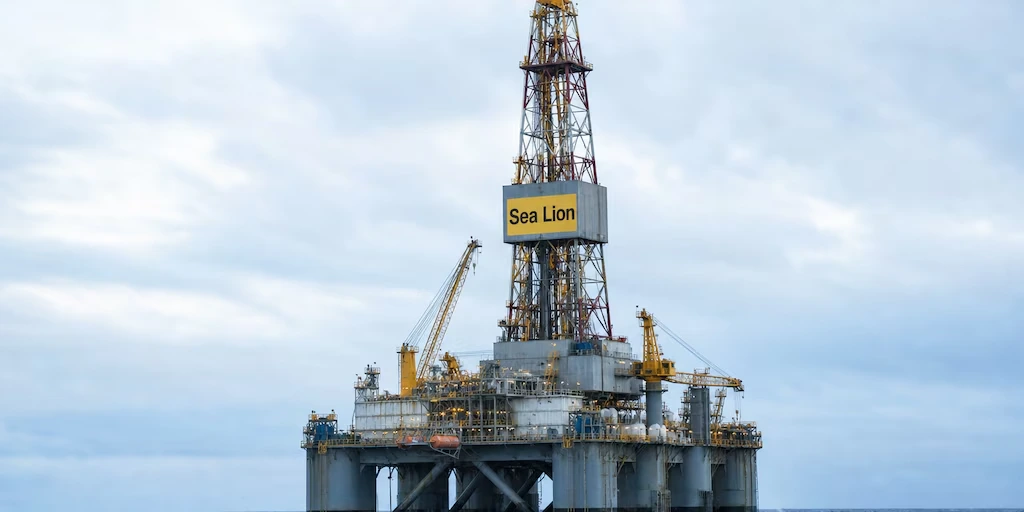
In parallel, Argentina initiated a procedure before the International Tribunal for the Law of the Sea to try to halt the schedule of the Sea Lion project, which plans to begin drilling in early 2027.
Sea Lion.
Administrative processes were also opened against 60 individuals and legal entities linked to oil activities in the Islands, including operators, shareholders, and suppliers.
The British response came on October 13, when London announced it would use instruments from its commercial interest protection legislation to prevent certain companies from being forced to comply with Argentine provisions.
The inclusion of these measures in the security section of the British statement shows that the decisions of Milei's government have transcended the administrative and economic realm and have taken a central place in the United Kingdom's strategic agenda.
President Javier Milei.
London reinforces its occupation in the Islands
The JMC document also confirmed an investment of over 20 million dollars to strengthen the institutional capacities of the overseas territories, with initiatives for maritime security, police cooperation, border surveillance, and protection against new threats.
Additionally, it mentioned activities carried out in 2026 by various British military units in those territories, although it did not announce new deployments in the South Atlantic.
Finally, London reaffirmed its position on the alleged self-determination of the inhabitants of the overseas territories and its intention to support requests for the removal of those territories from the United Nations list of non-self-governing territories.
Argentina rejects the application of this principle to the Falklands case and maintains that there is a sovereignty dispute between the two countries, recognized by UN General Assembly Resolution 2065, which urges finding a peaceful solution through negotiations.
The British statement did not announce new reprisals against Argentina or additional military measures. However, the explicit reference to Argentine actions as a matter of national security highlights the success of the measures promoted by Milei regarding oil exploitation in the Falklands.