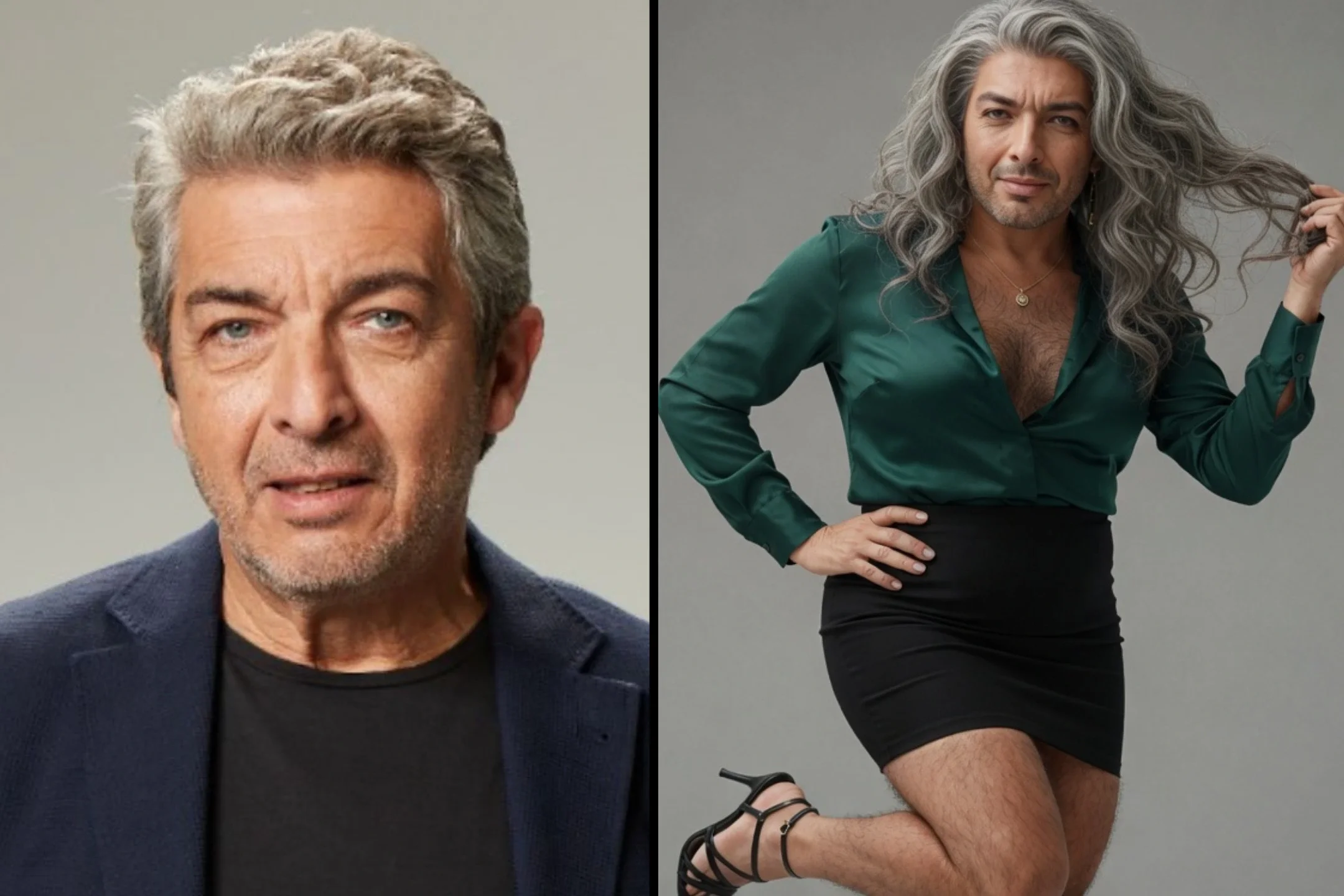
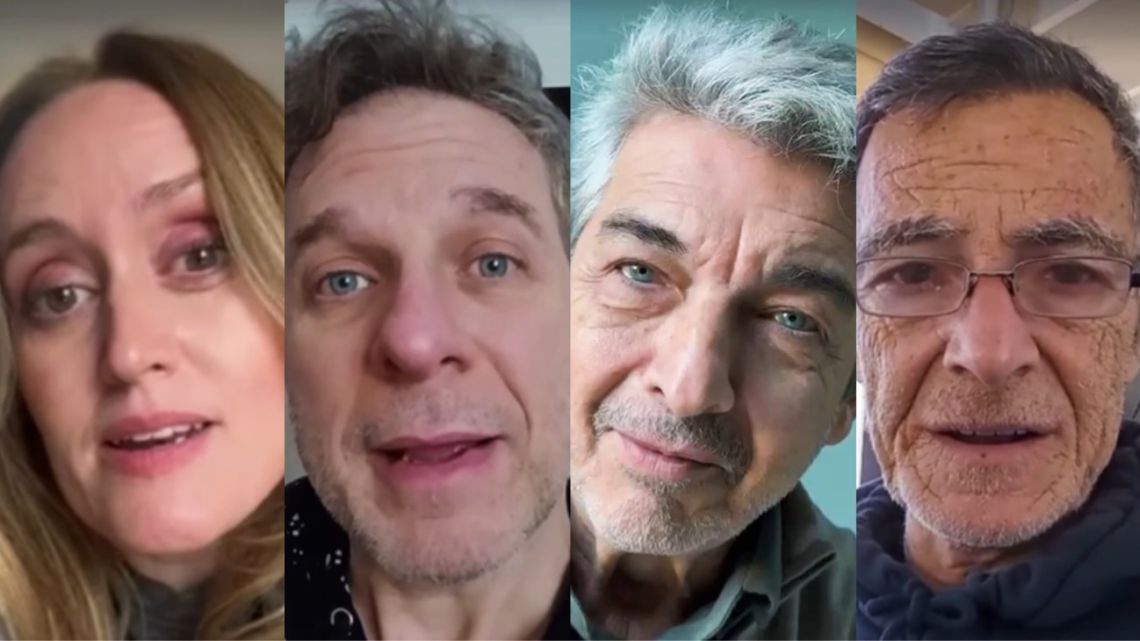
The Argentine Association of Actors and Actresses launched a campaign calling for the regulation of artificial intelligence use. With well-known faces like Ricardo Darín, Gustavo Garzón, Diego Gentile, and Marina Bellati, they repeat the same mantra: “My image is mine,” “let's regulate AI,” “protect our work.” It sounds noble. But in practice, it is another attempt to use the State to put a brake on the future, prioritizing fears disguised as protection.
Argentina already knows too well what “regulations to protect” certain sectors mean. Decades of controls, obstacles, authorizations, and “protective laws” have left us with one of the most suffocated economies on the planet: chronic inflation, talent drain, industries dying from regulatory fatigue, and young people leaving because it’s easier to be prohibited from innovating than to be allowed to try. Now they want to repeat the recipe with the most disruptive technology of the century.
The video begins with the phrase: "Hello, you know who I am, right? But are you sure it’s me?" expressed the protagonist of El Eternauta.
"With the advancement of artificial intelligence, someone could have used my image and you would be deceived," Garzón continued. "My image is mine, no one can use it without my permission," Gentile added.
And Bellati contributed: "My image, my expressions, and my voice are my tools as an actress; only I can decide how they are used. All over the world, laws or collective agreements are being created to protect our work."
"You have the right to know if an actor is real or not, if they performed those actions or said those words. The advancement of technology cannot justify theft or deception," stated Ricardo Darín.
"Let’s regulate the use of artificial intelligence," concluded the artist. In this way, in the face of the advancement of AI in the world, the Argentine Association of Actors and Actresses called for measures to protect the work of the audiovisual sector.
 AI does not steal, it multiplies
Yes, artificial intelligence allows for the creation of synthetic images, voices, and videos. This generates ethical challenges and image rights issues, which are resolved with general intellectual property laws, contracts, and transparency, not with a new state bureaucracy dedicated to “regulating AI.”
Asking for specific regulations for AI in a country that still hasn’t resolved the basics (insecurity, inflation, confiscatory taxes) is putting the cart before the horse. While Argentine actors call for more State, elsewhere in the world, companies and creators are using AI to reduce production costs, generate previously impossible special effects, automatic dubbing, restoration of old material, and new ways of telling stories. AI does not replace talent: it enhances and democratizes it. Anyone with a good idea and a computer can create today what previously required millions of dollars and a large studio.
Those who shout “regulate!” the loudest are often those who already have a name, contacts, and position in the industry. Those who are just starting out or who have never had access to the system see AI as a tool for liberation. Why should the State decide what tools an independent creator can use?