According to current polls, almost one in three German voters will support a party that no other major party wants to govern with.
For years, that strategy seemed sustainable. The AfD remained isolated while broad anti-AfD coalitions continued to control parliamentary majorities. Today, those assumptions are becoming increasingly difficult to sustain. The future of Germany, if it can be glimpsed anywhere, is in the eastern states.
More than three decades after reunification, eastern Germany continues to vote differently from the west. Analysts often explain this gap by economics, demographics, or the lingering effects of communist rule. Those factors matter. But they are no longer enough.
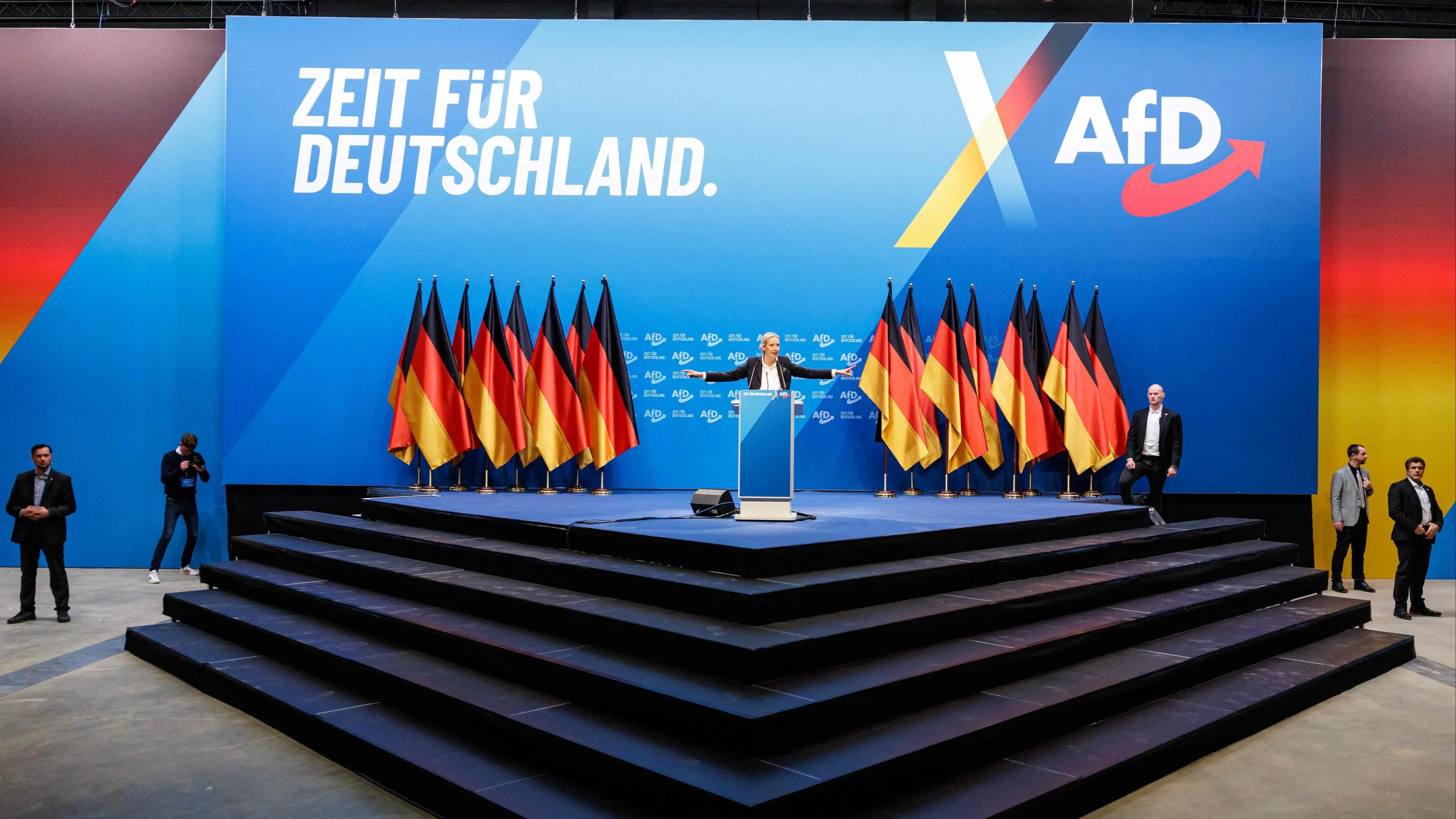
The AFD party suffered a kind of electoral isolation, resulting from an agreement among several German parties
Eastern Germany has become something more important: the laboratory of the Federal Republic.
The same dynamic is now repeating. Disenchantment with established parties, skepticism towards centralized authority, and support for populist alternatives reached higher levels in the former GDR long before spreading westward. What initially seemed a regional anomaly turned out to be an early warning. Now that warning has become reality.
Across eastern Germany, the AfD hovers around 40 percent in the polls. In Saxony-Anhalt, polls place the party above 40 percent, far ahead of any competitor. The CDU and SPD together struggle to match that figure. Those numbers would have been almost unimaginable for most of the history of the Federal Republic. Today, in parts of eastern Germany, the center that once anchored public life has largely disappeared.
Thirty-five years ago, East Germans triggered the transformation that brought down the Berlin Wall. Few in West Germany expected the decisive challenge to the existing order to come from Leipzig and Dresden. History often starts at the margins. Voters in the east are once again ahead of the country's political class, forcing questions that Berlin has preferred to postpone for too long. The most important of those questions concerns the firewall.
If current polls are confirmed, the AfD will not simply emerge as the largest party, but as the dominant one. Any conceivable coalition that excludes it would require parties with fundamentally different agendas to unite for a single purpose: to prevent the election winner from exercising power.
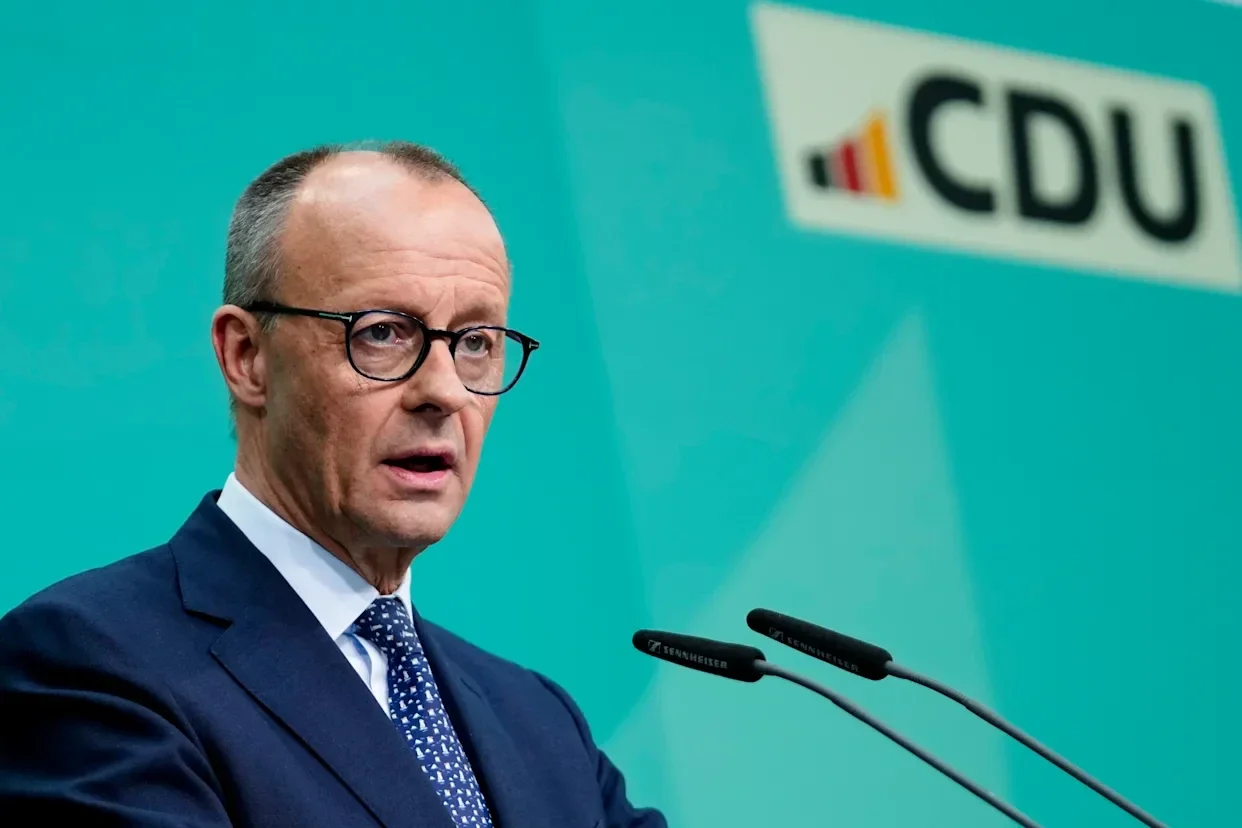
Nowadays, the CDU, Merz's governing party, and the SPD have figures that leave them far behind the AFD
Legally, there is nothing undemocratic about such agreements. In practice, however, they are becoming increasingly difficult to sustain as the gap widens between electoral strength and governing power.
At some point, a firewall designed to isolate a party begins to reshape the entire system around that goal.
This is the paradox facing Germany today. The stronger the AfD becomes, the more indispensable the firewall seems to its defenders. Yet, every election that reinforces the firewall also strengthens the AfD's central argument: millions of Germans can vote for change without ever obtaining it.
When Friedrich Merz returned to lead the Christian Democrats, many conservatives believed he represented the CDU's last chance to reverse its decline. Unlike Angela Merkel, Merz promised a more defined conservative profile: restore border control, revitalize the economy, reverse a decade of drift. His message was clear: voters who had switched to the AfD could be won back without abandoning the center.
It was a plausible strategy. Many observers assumed that support for the AfD reflected dissatisfaction with Merkel more than a fundamental realignment. Once the CDU began to speak the language of conservative governance again, protest voters would return.
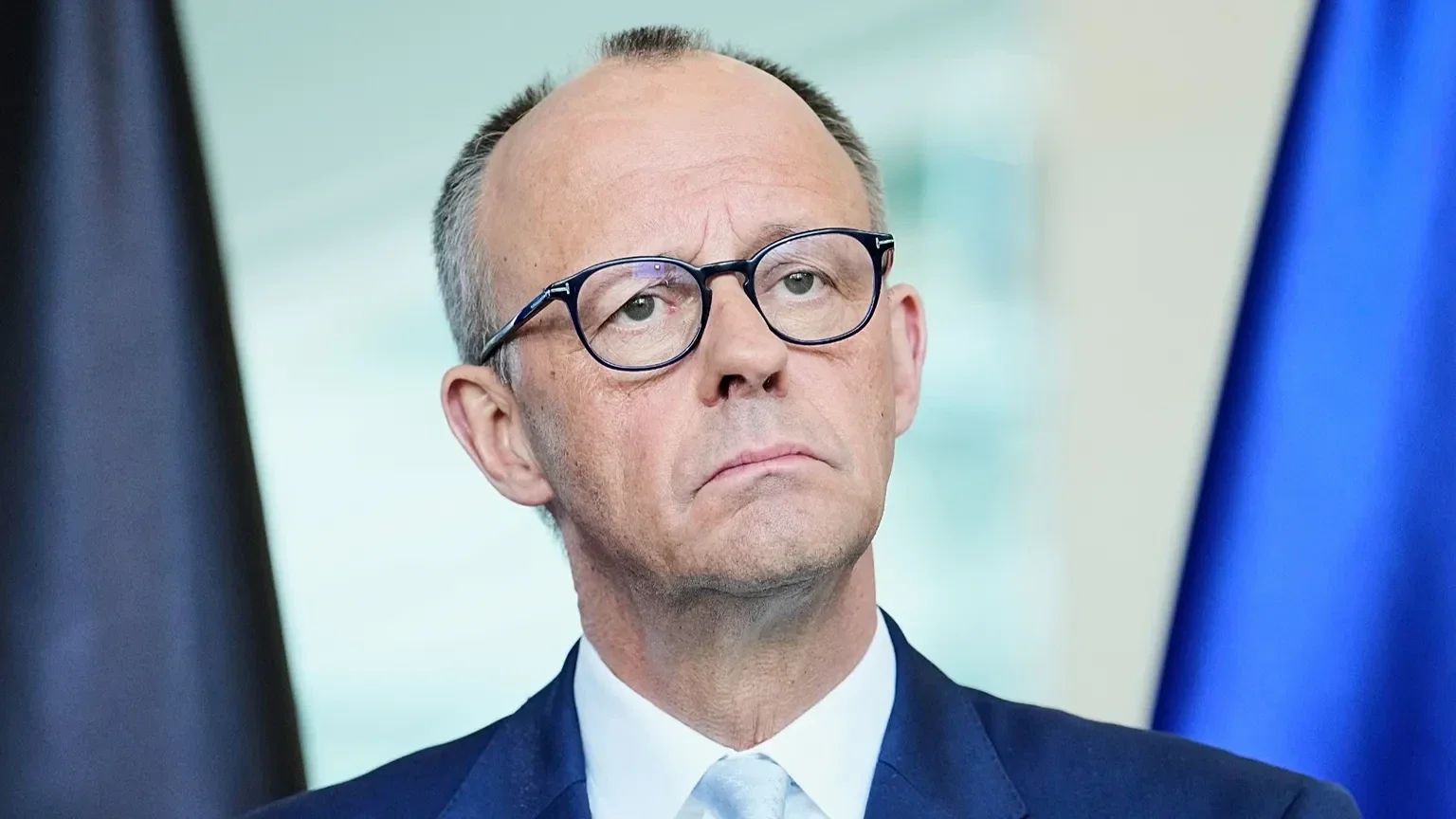
The election of Friedrich Merz represented for many conservative sectors a redemption of the CDU, which they have not experienced until now
That assumption now faces its first serious test. Nationally, the CDU is almost eight percentage points behind the AfD. In Saxony-Anhalt, the Christian Democrats are projected to receive barely half the support of the AfD. A party that once defined itself as the institutional anchor of the Federal Republic, the home of Adenauer, Kohl, and Merkel, now struggles to reach half the vote share it once considered its minimum.
Merz may find that falling short of expectations is the least of his problems
Great Britain broke away from Europe. Donald Trump returned to the White House. Javier Milei blew up the consensus in Argentina. The right swept across the continent. Everywhere, elites were losing control. Everywhere, except in Germany. There, the same old faces continued to govern, convinced that their country was different. That their history protected them. That the German people, unlike others, would know how to hold back. It was the last illusion of the progressive order. It was about to break.
This September, voters in Saxony-Anhalt, Mecklenburg-Western Pomerania, and Berlin will head to the polls in an election that could be the most decisive for Germany since reunification. What is at stake goes far beyond the counting of votes. The largest economy in Europe, the industrial engine of the continent, is facing a political crisis that shakes the foundations of the order that the West has taken for granted for decades.
The Alternative for Germany (AfD), a right-wing party founded in 2013 as an eurosceptic movement, currently leads national polls with nearly 29 percent support. In the east of the country, it has become the dominant force. But the real story is not the simple rise of a party. It is the slow collapse of the post-war consensus that governed Germany after the Cold War.
The elections in September will be the first real test of whether the German political class can continue to contain a movement that tops national polls. They may show that Germany, long considered the last bastion of Western stability, has finally reached the same reckoning that has transformed much of the democratic world.
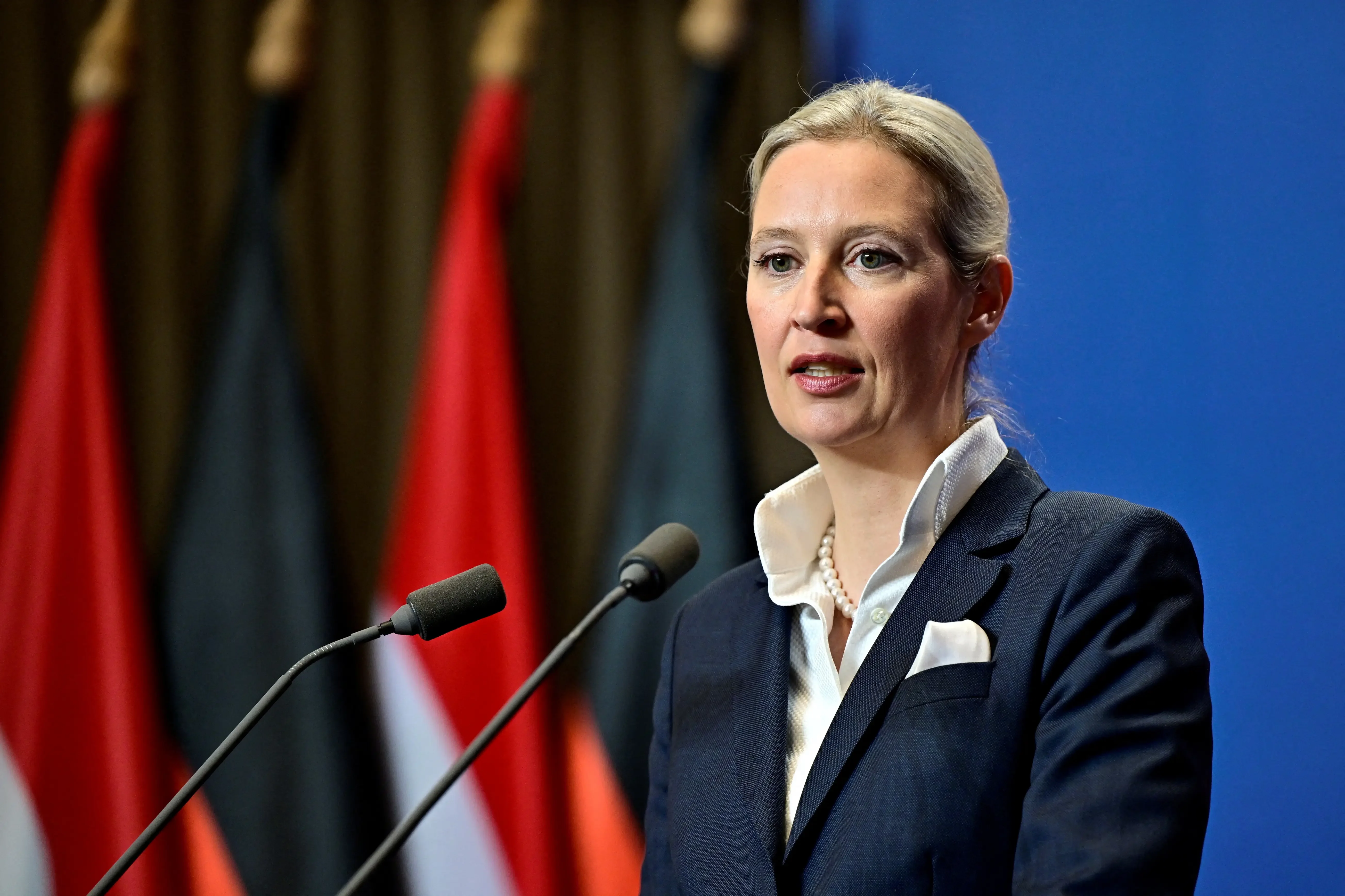
The right-wing party, Alternative for Germany, has experienced exponential growth in recent years
Throughout the post-war era, German politics rested on unusually stable foundations. Power alternated between Christian Democrats and Social Democrats, two major mass parties that together usually exceeded sixty percent of the votes. Elections decided who governed, but rarely questioned the fundamental assumptions of the system. Consensus, moderation, and gradual change defined the Federal Republic for decades. That era is ending.
The traditional German parties did not begin to decline with the emergence of the AfD. Their erosion was already well advanced before the AfD emerged as a national force. Election after election, the CDU/CSU and the SPD lost ground while smaller parties gained support. Coalition negotiations became more complicated, governments more unstable, and voters began to wonder if elections produced any real change.
The AfD did not create the crisis. It was simply the first to name it.
Like so many populist movements in the West, the party grew because it gave voice to accumulated frustrations over the years. Its rise was less a sudden break than the visible manifestation of a deep loss of trust in the political class.
The economic backdrop of that discontent is brutal. Volkswagen, the most powerful symbol of the German miracle, could cut 50,000 jobs just in Germany and close entire plants. This is not a business crisis. It is the collapse of the social contract that kept millions of Germans loyal to a system that now fails them. For them, this is not statistics. It is the end of a certainty that defined their lives.
But economic pressure is not the only source of that discontent. The decisive turning point came in 2015.
The decision by Angela Merkel to open the borders to hundreds of thousands of migrants in 2015 was the moment when millions of Germans realized that their government had stopped representing them. There was no referendum. There was no real debate. The chancellor decided, and the country had to accept it. Those who dared to question it were labeled racists or extremists.
Millions of Germans saw 2015 as something that went far beyond immigration. They concluded that decisions affecting national identity and the sovereignty of the country had been made without their consent. Distrust in one policy turned into distrust in the entire political class. Migration ignited the revolt, but years of economic stagnation, high energy costs, and governments that did not listen kept it alive. The AfD was the beneficiary.
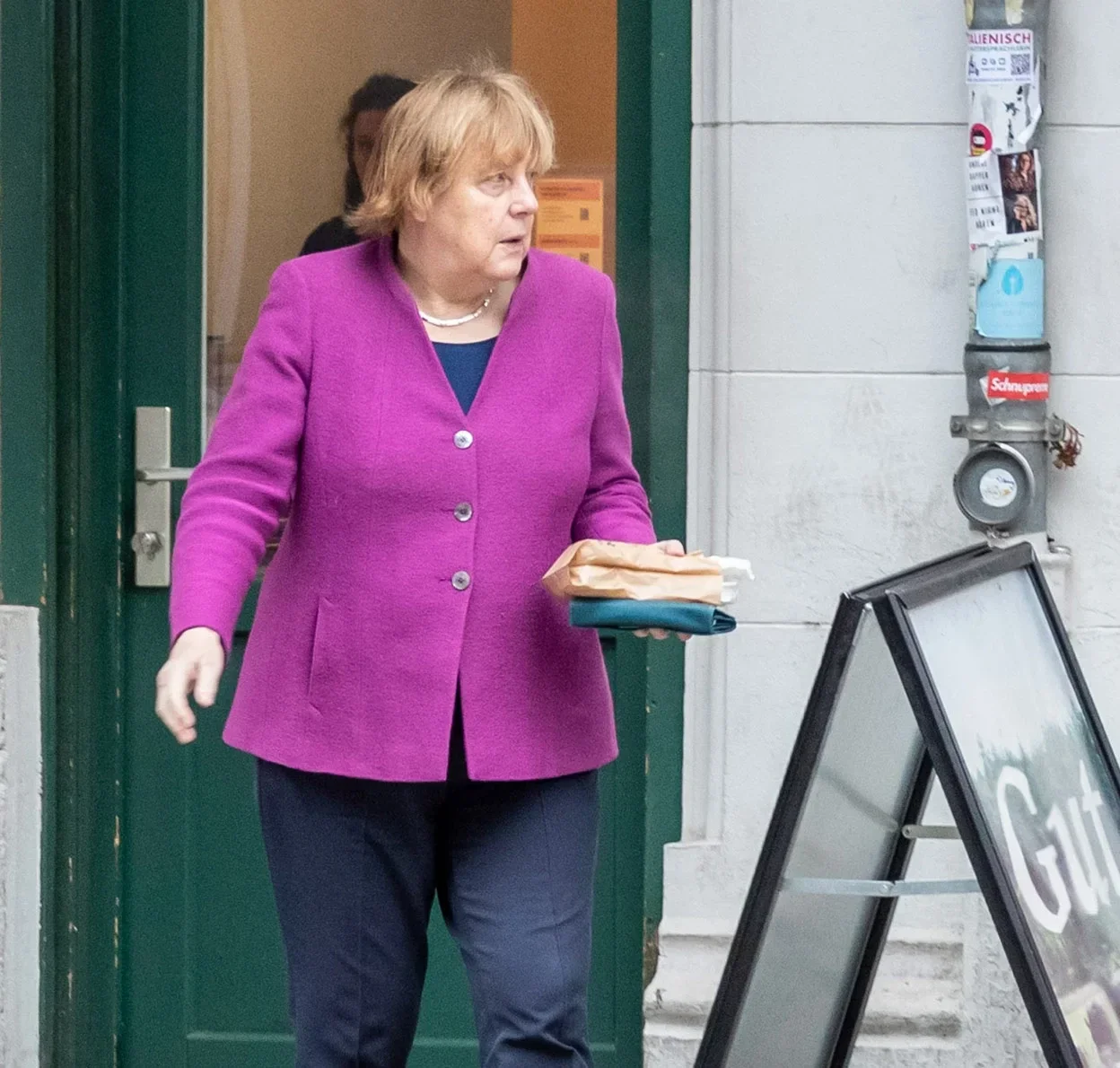
The decision by the social democrat Angela Merkel to open Germany's borders was one of the triggers of the social crisis in the European country
It was then that the establishment built its great invention: the ''Brandmauer'', the firewall. An agreement among all parties in the system to isolate the AfD and deny it any share of power, no matter how many votes it received. They called it defense of democracy. In reality, it was its denial: deciding in advance which electoral outcomes are acceptable and which are not. The Latin American reader will recognize the mechanism. This is the central paradox of German politics today.
In most democracies, electoral success increases the chances of governing. In Germany, the opposite is increasingly true. The more the AfD grew, the more determined all other parties were to exclude it from power.