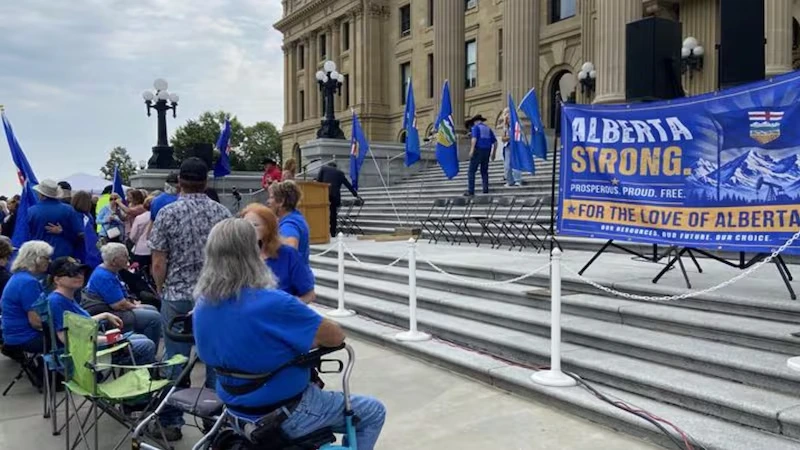









The movement in favor of the separation of Alberta gained visibility on August 29 with a gathering in front of the provincial Legislature building in Edmonton, as the province approaches a vote that could pave the way for a binding referendum on its independence. The demonstration, organized by the ''Alberta Prosperity Project'', coincided with the commemoration of Alberta's creation as a province in 1905.
Supporters of the separation took advantage of the date to advocate for greater autonomy from the federal government in Ottawa. During the event, Mitch Sylvestre, one of the main organizers of the independence movement, stated that federal authorities are taking a defensive stance towards Alberta and questioned the current relationship between the province and the rest of Canada.
“Ottawa is putting its elbows out to protect itself from us,” Sylvestre asserted, arguing that this dynamic should be just the opposite. From the separatist movement's perspective, Alberta has enough economic, natural, and human resources to assume a much more independent role and make decisions that directly respond to the interests of its residents.
Hundreds of people marched in favor of the independence of the province of Alberta
The gathering also included moments of prayer led by pastors, who asked for wisdom and leadership for those promoting the movement. One of the religious leaders requested support for those seeking justice and a different future for the province.
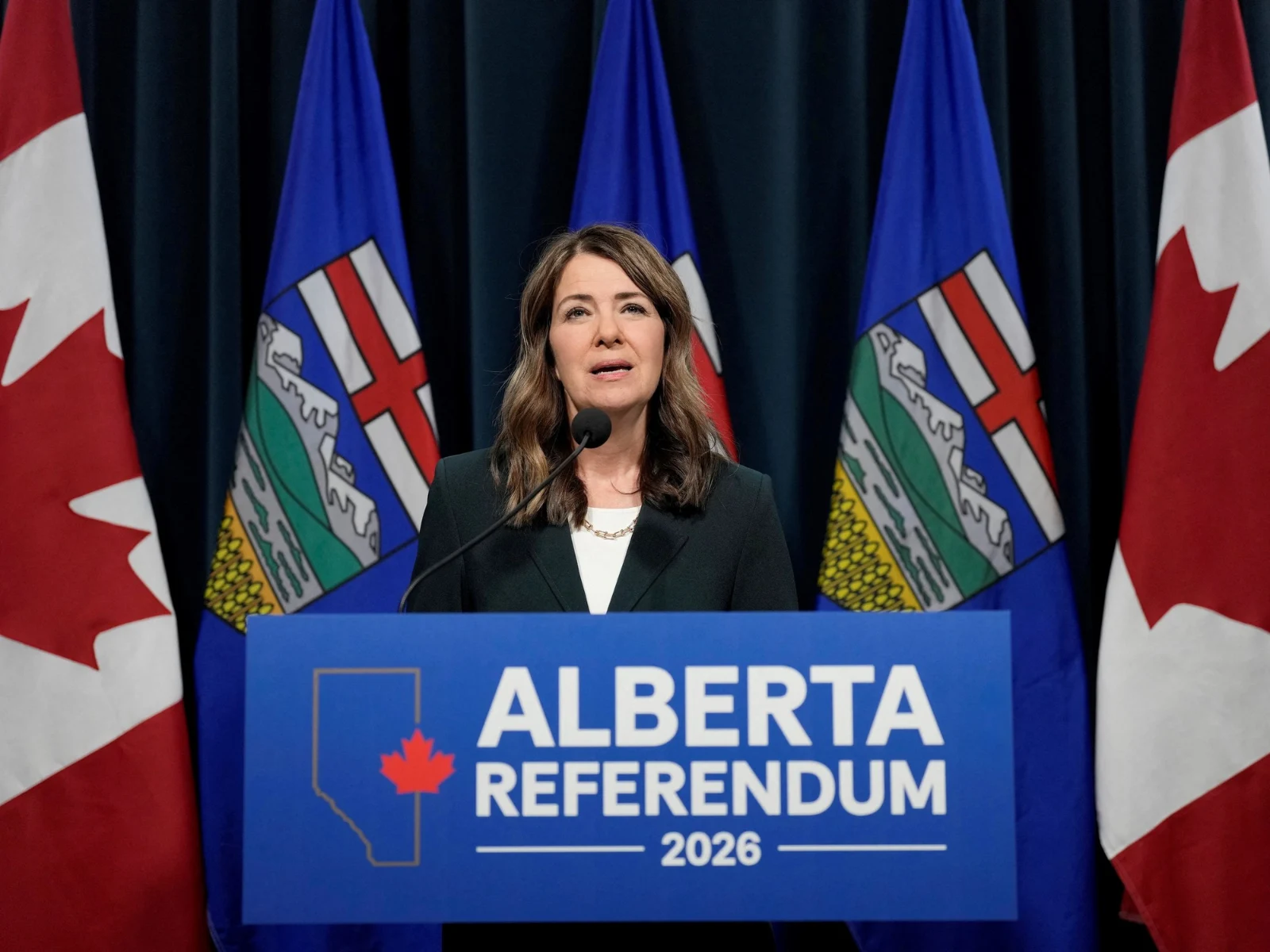
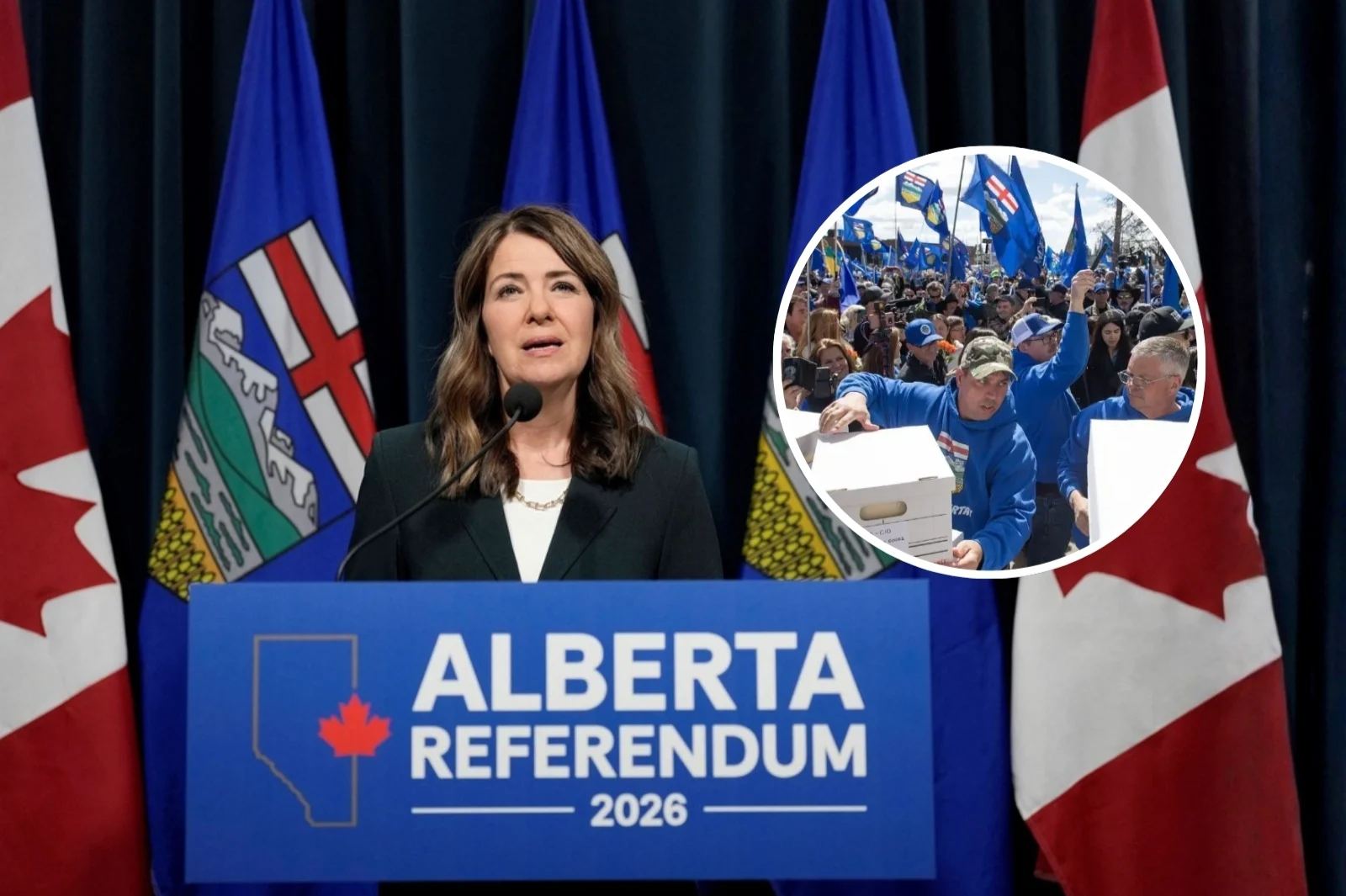
The debate will gain greater importance on October 19, when the residents of Alberta participate in a referendum with ten questions. One of them will ask whether the provincial government should begin the necessary legal process to subsequently hold a binding referendum on the separation from Canada.
Although the October vote will not directly decide independence, a favorable response could represent a significant political step for the separatists. It would formally initiate a process aimed at determining whether Alberta should submit a definitive decision to its citizens regarding its continued presence within Canada.
Alberta will hold a referendum on October 19 that, while it will not dictate the independence of the province, could lay the groundwork for the beginning of the discussion
The other questions will address issues such as immigration, judicial appointments, and provincial jurisdiction, topics that also reflect the existing tensions between Edmonton and Ottawa. For supporters of greater autonomy, these issues are part of a broader problem: who should have the final authority to make decisions that directly affect the residents of Alberta.
The independence movement also faces a campaign organized in the opposite direction. Naheed Nenshi, leader of the Alberta NDP, led a gathering on the same day in favor of the province remaining within Canada in Calgary. Nenshi stated that this was the first of several events, and his campaign has scheduled another 13 gatherings before the referendum.
Nenshi argued that, amid a trade war, the residents of Alberta need to stay united with the rest of the country. However, separatists believe that the economic and political tensions with Ottawa demonstrate the need to rethink the federal relationship.
The mobilization on August 29 shows that the debate over Alberta's political future is ceasing to be a marginal issue and is beginning to become a central topic in provincial politics. With the referendum approaching, advocates for separation are seeking to transform discontent with Ottawa into electoral support to initiate a process that could radically change Alberta's relationship with Canada.
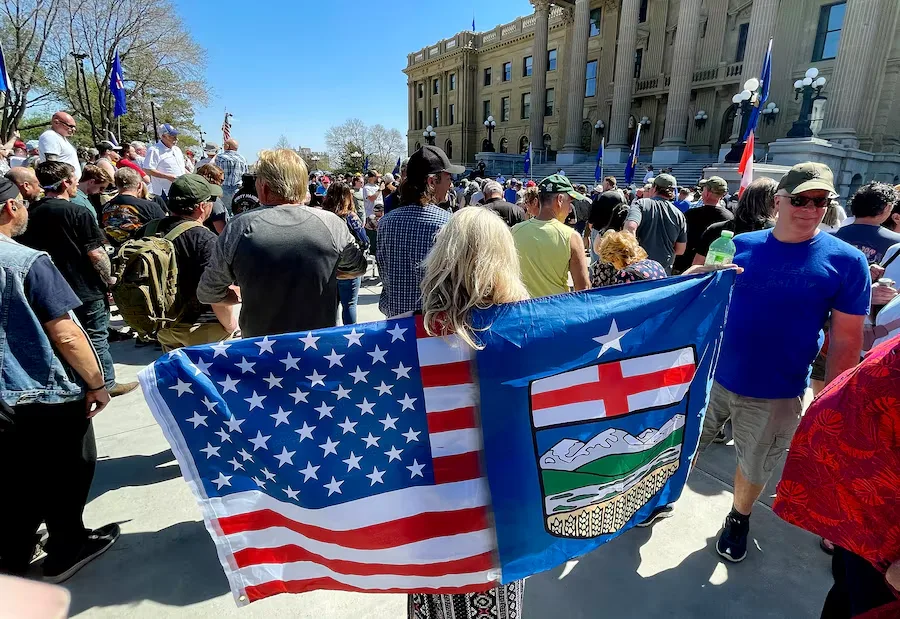
U.S. President Donald Trump has supported the cause of the people of Alberta and has considered the possibility of it becoming a state belonging to the United States