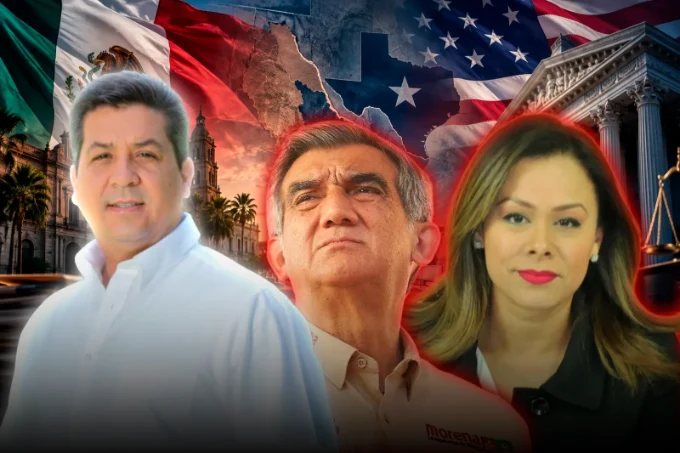

A former Mexican governor brought a devastating complaint for corruption and criminal networks against the current Morena governor of Tamaulipas and the president of its Judicial Power before a court in the United States. This legal action is part of a global context of strong offensives and seizures against the political facilitators of drug trafficking in Mexican territory.
On a general geopolitical level, authorities in Washington have accelerated the crackdown on organized crime and its accomplices in public office. A demonstration of this hardening was what occurred on September 29, when the U.S. Department of the Treasury formally sanctioned 21 individuals and 25 entities linked to the financial networks of the Sinaloa Cartel.
Taking an inflexible stance, the Secretary of the Treasury, Scott Bessent, categorically warned that "no cartel boss, corrupt official of the Mexican government, or financial facilitator is beyond the reach of Treasury authorities". The message from Washington is clear: investigations are not limited to drug lords but extend to state officials and facilitators who ensure their impunity.
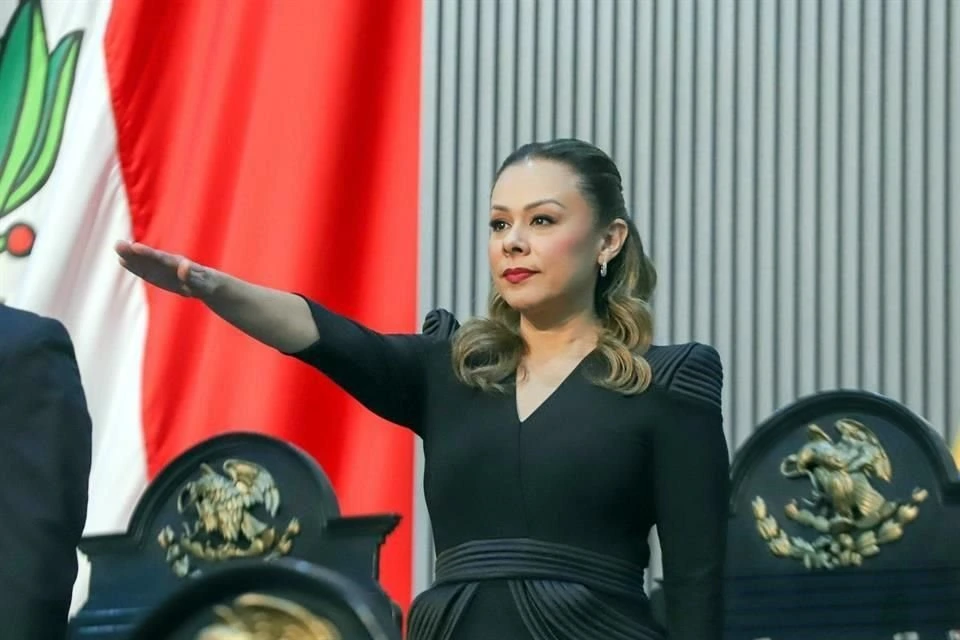
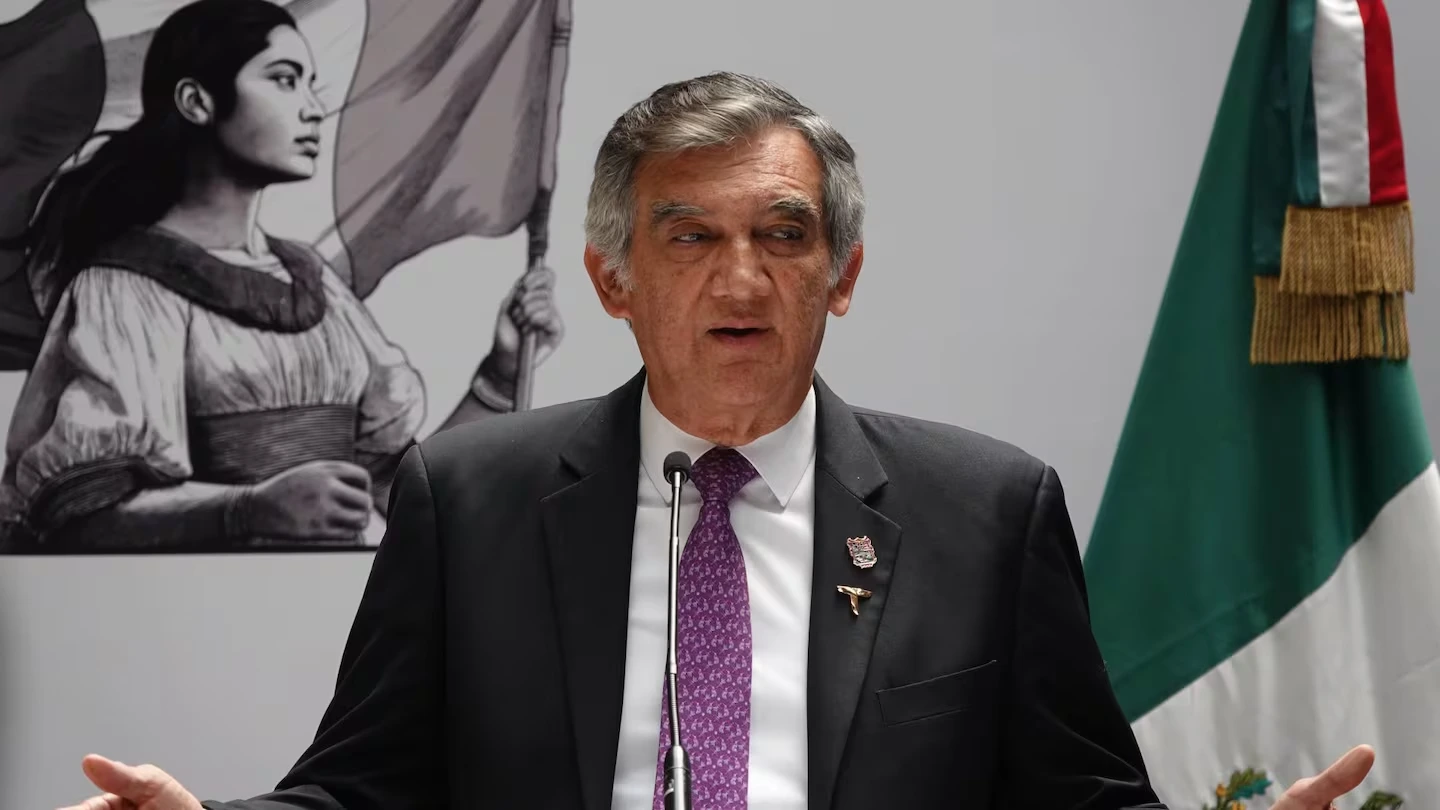
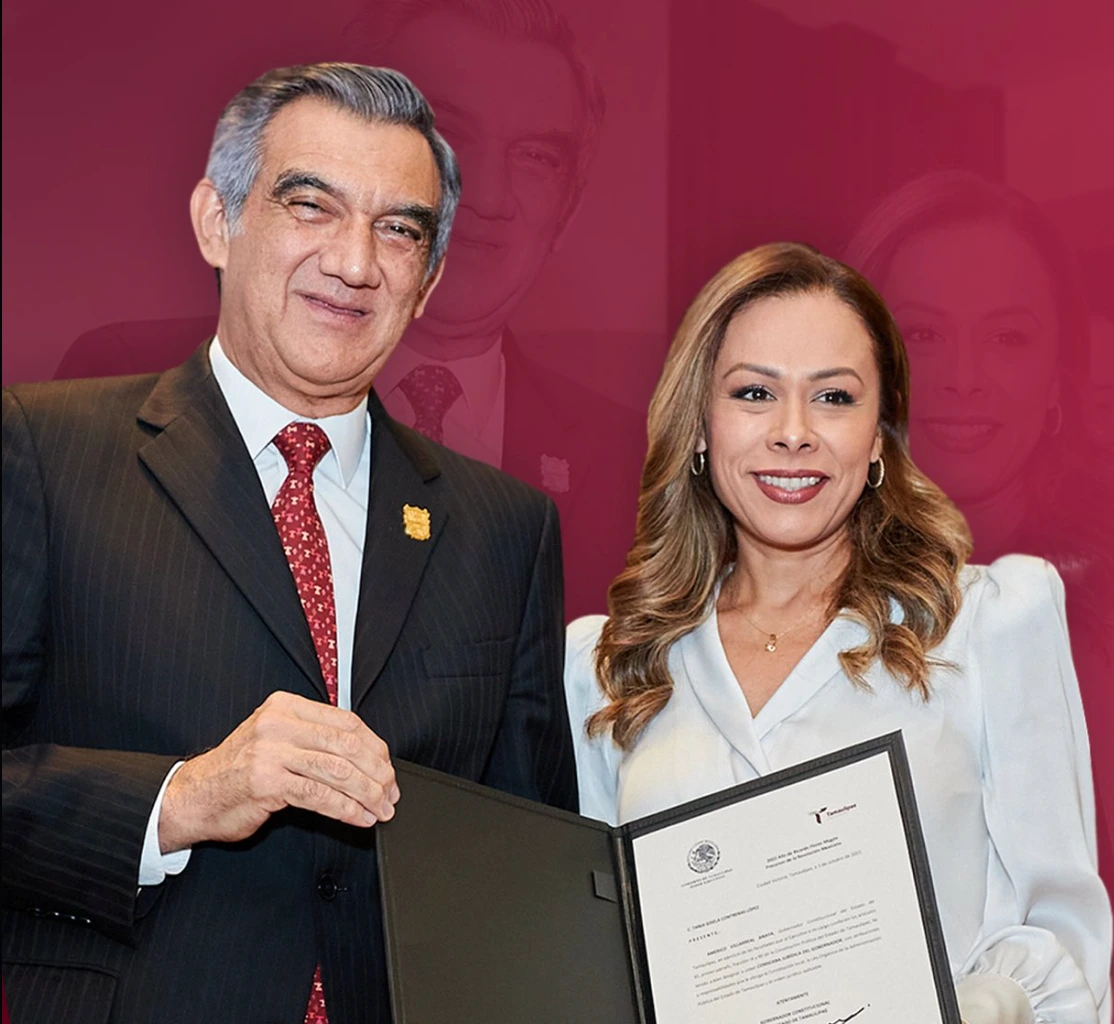
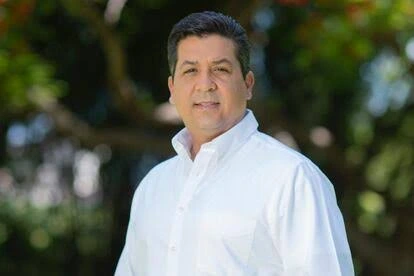
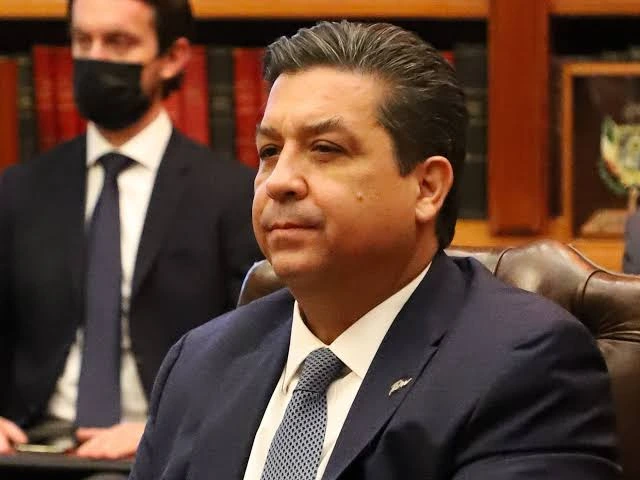
Diving into the specific details of the case, according to exclusive information obtained by La Derecha Diario, the former governor of Tamaulipas, Francisco García Cabeza de Vaca, presented incriminating evidence before a federal court in South Texas against the current governor of the state, the Morena Américo Villarreal Anaya, and against Tania Gisela Contreras López, president of the Judicial Power of Tamaulipas.
The judicial file directly implicates high-ranking officials of the Morena Government and the Justice of Tamaulipas. Among the officials formally named in the filing are:
Jorge Luis Beas Gámez, Undersecretary of Legality and Government Services.
Jesús Eduardo Govea Orozco, Attorney General of Justice of the State.
Andrés Norberto García Repper Fávila, specialized prosecutor in Combating Corruption.
The allegations gathered encompass a wide range of alleged criminal acts with cross-border impact: corruption, possible links to criminal networks, irregularities in Customs, smuggling of hydrocarbons (huachicol), extortion, bribery, financial operations linked to criminal networks, and human trafficking.
One of the most serious chapters detailed in the accusation points to the immediate family environment of the president of the Judicial Power, Tania Gisela Contreras López:
Links with the Armed Column and the Gulf Cartel: Her cousin, Juan José Contreras Castillo —a connection documented through civil records and journalistic investigations— is a former mayor of Hidalgo, Tamaulipas. Contreras Castillo was identified as a member and close figure to the Pedro J. Méndez Armed Column, whose leader, Octavio Leal Moncada, has been publicly linked by authorities and media to the Gulf Cartel.
In 2022, Contreras Castillo directly intervened to request the release of Leal Moncada. Additionally, there are records in a federal criminal case where Contreras Castillo and other group members were pointed out for organized crime related to kidnapping and human trafficking.
Corruption in Customs and the SEDENA document: Her brother-in-law, Juan Carlos Madero Larios, is mentioned in a confidential document from the Secretariat of National Defense (SEDENA), dated August 18, 2022. The document, sent by then-Secretary of Defense, General Luis Cresencio Sandoval, to the head of the National Intelligence Center (CNI), details investigations into alleged corruption in Customs, bribery, extortion, and smuggling of hydrocarbons.