Amazon announced that it now has enough Leo satellites in orbit to launch its satellite broadband service. This milestone was achieved thanks to the recent launch of an Atlas V rocket from United Launch Alliance (ULA) that placed 29 more units into space.
The launch took place in the early hours of July 2 from the Cape Canaveral Space Force Station in Florida. According to the company, the satellites were successfully deployed, contact was established with them, and it was verified that they are in perfect working condition.
Now, they only need to be raised to their operational altitude of 392 miles for the system to be fully ready. With this new batch, the Leo constellation exceeds 390 operational satellites, allowing for continuous service in the initially planned latitudes.
Progress Towards Commercial Service
Chris Weber, vice president of Amazon Leo, emphasized that this number is sufficient for initial coverage. This launch also marks the final flight of the Atlas V for the project; from now on, Amazon will use ULA's more powerful Vulcan vehicle, capable of carrying more than 40 satellites per mission and with greater frequency.
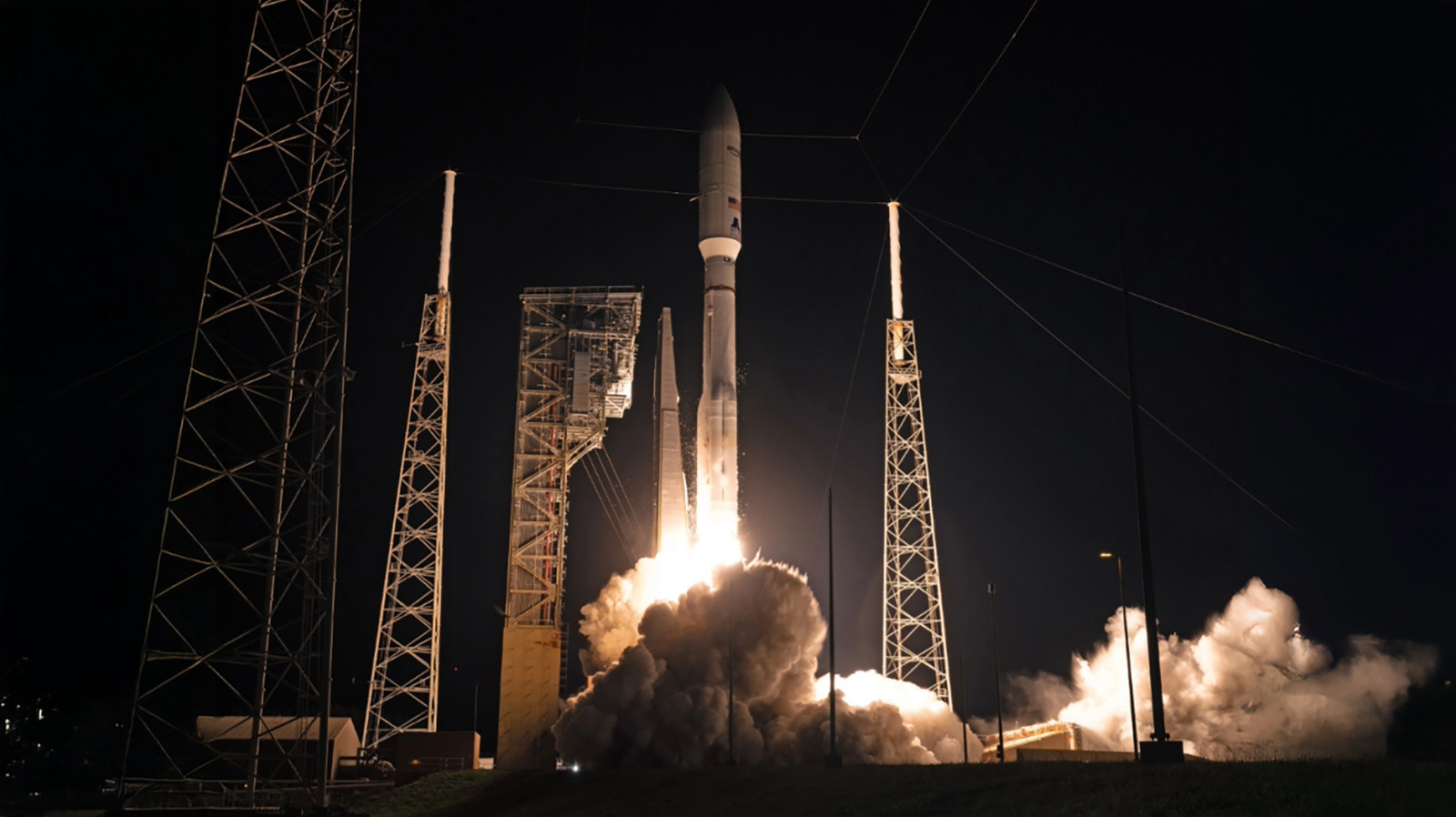
The company also plans to incorporate Blue Origin's New Glenn rockets, which can transport more than 48 satellites in a single flight. Although there was a delay due to an incident at the launch pad in May, work is progressing to resume operations before the end of the year.
Melissa Wuerl, director of Launch Systems for Amazon Leo, noted that with hundreds of satellites ready on the ground and a new vertical integration facility, the path is clear to increase the launch pace. This will allow for rapid expansion of coverage after the initial launch of the service, expected later this year.
Challenge Against Competition
Despite the progress, Leo still faces a long road to catch up with its main rival. Starlink, from SpaceX, already has over 10,000 satellites in orbit providing service to its customers. This scale difference is significant and forces Amazon to accelerate its deployment plans.
The Leo project is part of Amazon's bet to offer high-speed connectivity in areas where fiber optics or traditional networks do not reach. The company aims to compete in the residential and business satellite internet market, leveraging its global infrastructure and logistics expertise.
The coming months will be crucial for raising the newly launched satellites and starting operational tests. Amazon executives are optimistic about the ability to scale the system with the new launchers, which would improve both coverage and the speed and reliability of the service.