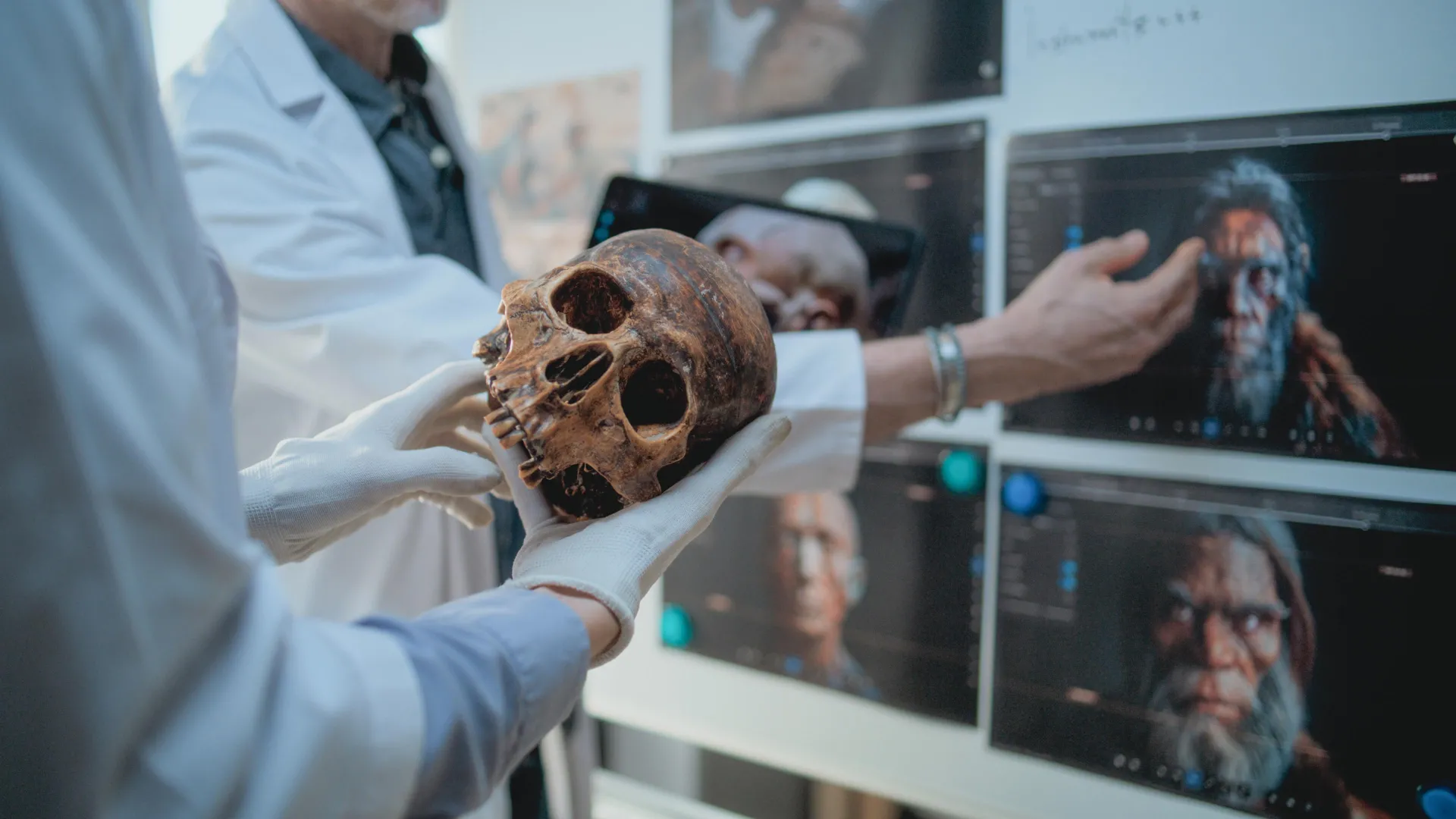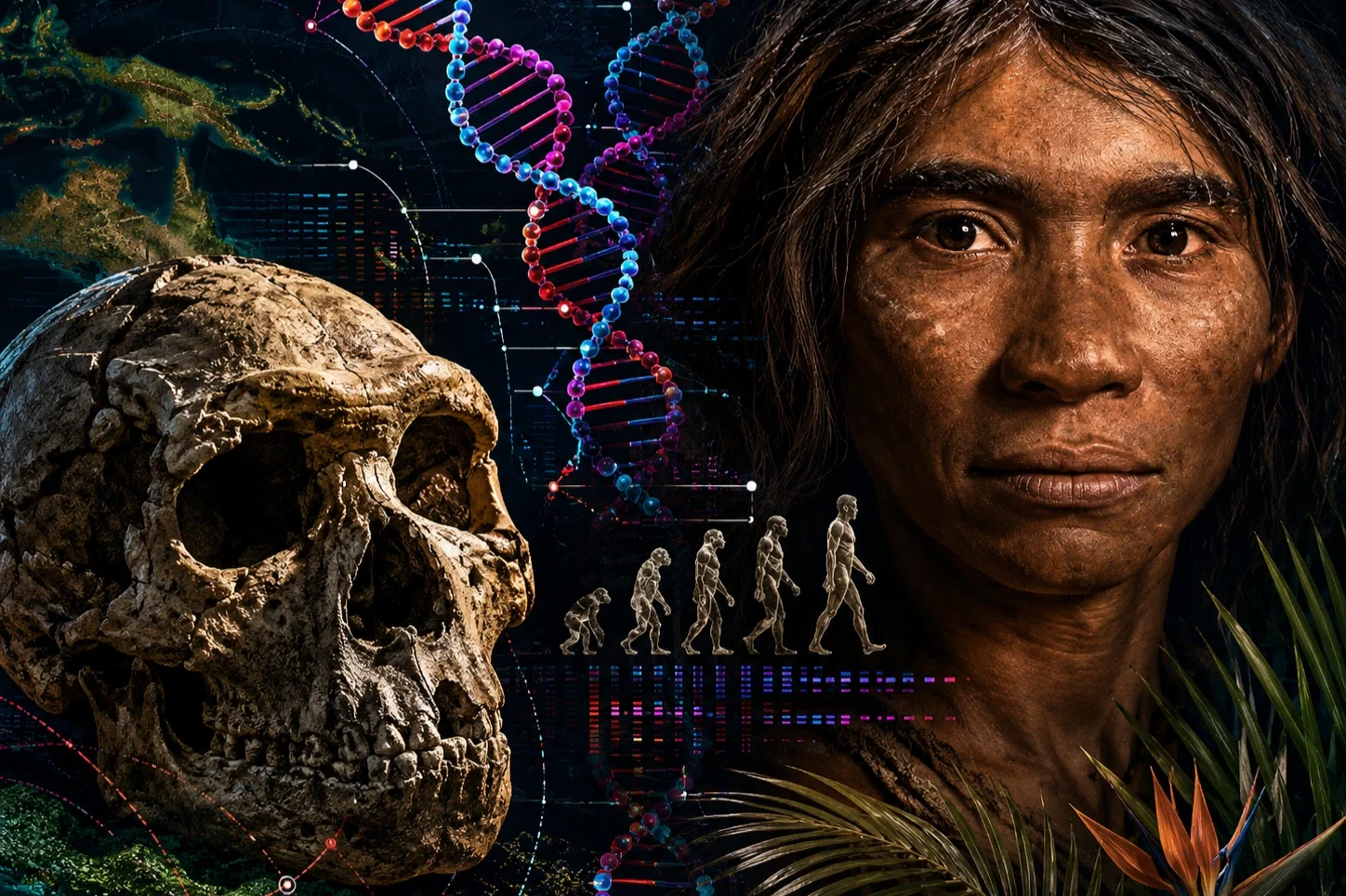

Researchers from Yale University conducted a thorough analysis of the genomes of Near Oceanian populations that reveals how DNA inherited from the Denisovans, an extinct human group, remains active in present-day individuals. This work helps fill important gaps in genetic studies, which have traditionally focused more on populations of European descent.
By sequencing the genomes of 177 individuals from 12 distinct populations in regions such as Papua New Guinea, the Bismarck Archipelago, and the Solomon Islands, the scientists combined this data with over a thousand previously published genomes. In this way, they managed to reconstruct part of the history of the first Pacific settlers, who arrived at least 45,000 years ago.
One of the most relevant findings is that the ancestors of these populations interbred with at least three different groups of Denisovans. This left genetic variants that persist to this day and are not just inactive remnants of the past.
These variants actively influence gene regulation, which represents a significant advance in understanding how evolution shaped our biology.