“In addition to the ruin of our energy infrastructure and open borders for everyone, it is now asking people with a migratory background not to vote for the AfD,” he said, while assuring that the former chancellor caused “serious harm” to Germany.





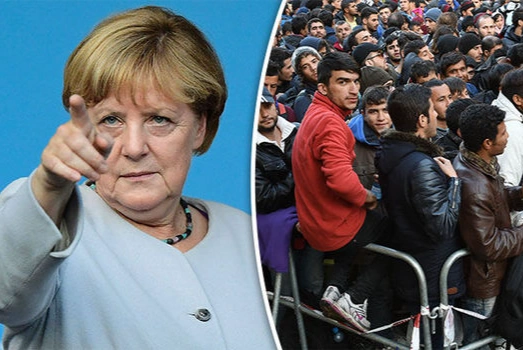

After opening Germany's borders, the former chancellor seeks to use foreigners to promote left-wing parties.
“In addition to the ruin of our energy infrastructure and open borders for everyone, it is now asking people with a migratory background not to vote for the AfD,” he said, while assuring that the former chancellor caused “serious harm” to Germany.





The former German chancellor and leftist Angela Merkel publicly called on immigrants to vote against the right-wing Alternative for Germany (AfD) party, in a statement that generated strong controversy.
In an interview with Hesse Broadcasting earlier this month, Merkel urged people with “migratory backgrounds” to align themselves politically with those who do not support AfD.
In this context, he said: "If only we would all unite against this party. And we should not divide ourselves as a political center, I mean, between those who have a migratory history and those who don't. Because then our country would weaken in the face of the AfD
.”The former foreign minister deepened her position by stressing the need for unity in the face of what she considers a political challenge, in a context of strong growth in support for the right-wing party.
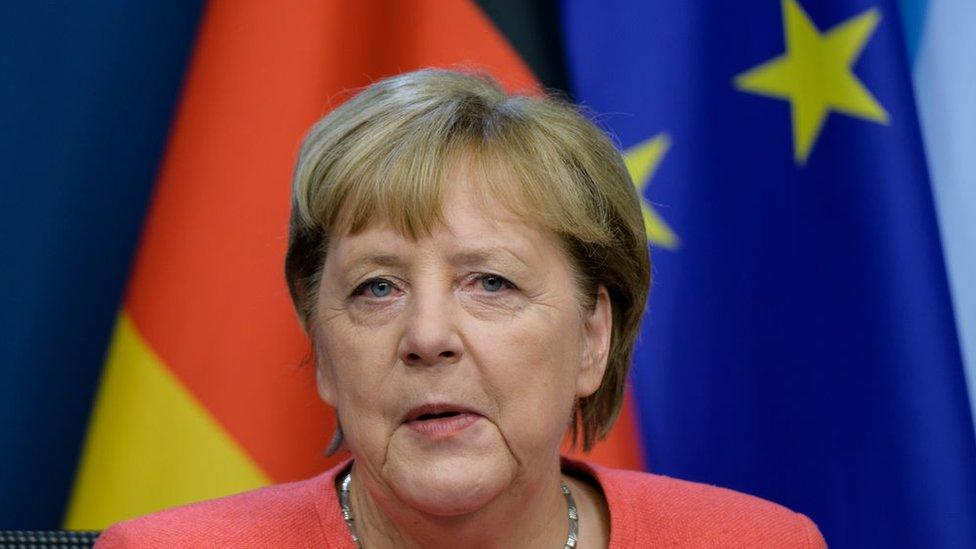
"It doesn't matter if a German citizen has been a German citizen for two years or four days, or that the whole family has been in the country for three generations. We are the German people... We must remain united even when we have to act against those who have completely different ideas about our future,” he said.
However, his words did not go unnoticed and generated a strong reaction from the AfD itself. Its leader, Alice Weidel, severely questioned Merkel and held her responsible for the direction the country took
Merkel's statements and the controversy generated are also directly related to the decisions taken during her administration in 2015, when Germany opened its borders to illegal Syrian immigrants and a strong European migration crisis began.
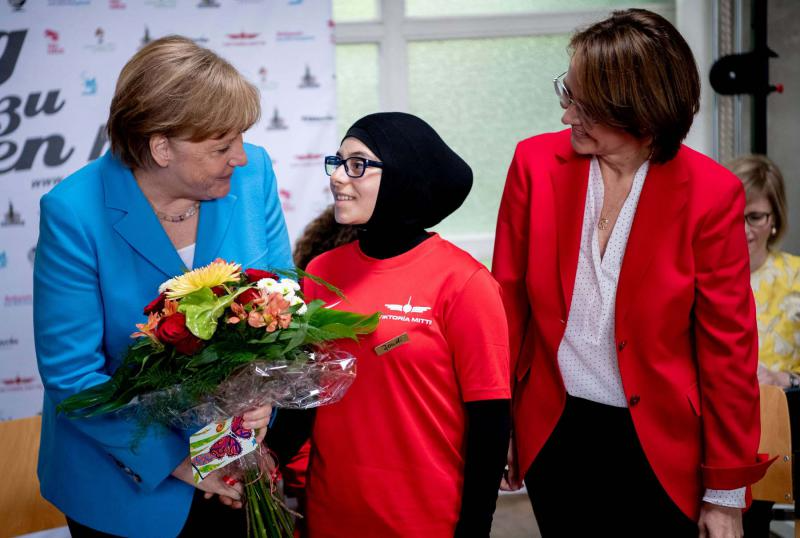
That measure allowed the entry of more than a million undocumented immigrants and marked a turning point in the domestic politics of the country and the entire continent, with consequences that still generate debate today. Now, with a large number of potential voters brought in from abroad, Merkel seeks to boost the left
.On the other hand, to this is added another of the most damaging management decisions: the abandonment of nuclear energy, which led to a significant increase in the use of coal, a highly polluting fuel, which was also criticized for its economic and environmental impact.
In this context, the growth of AfD in recent years appears to be a key factor in understanding the reason for Merkel's statements.
In the 2025 elections, the party obtained 20.8% of the votes, consolidating itself as the second most represented force in the Bundestag, a result that reflects a change in the German political map.