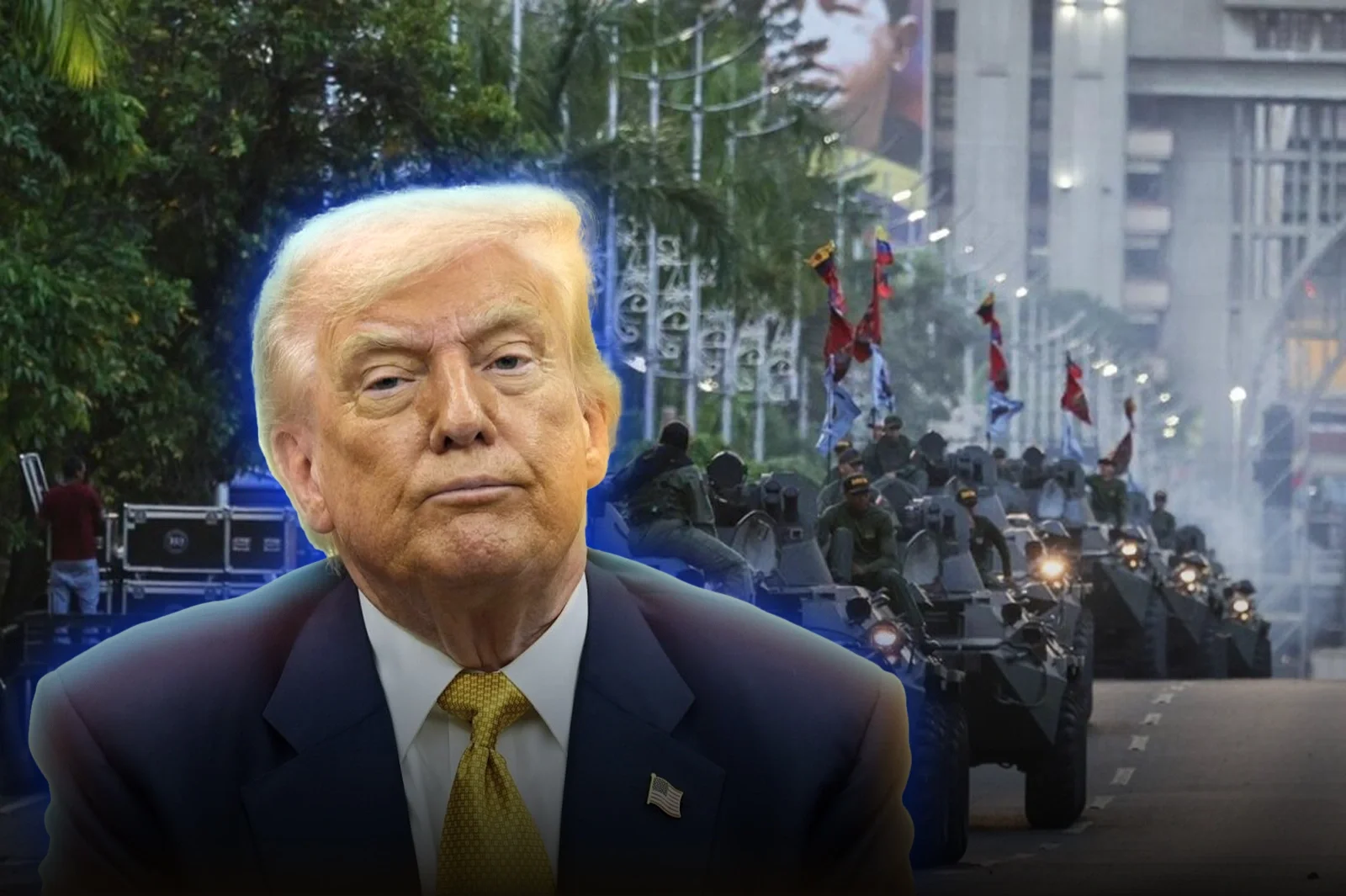
The administration of President Donald Trump is driving a new security strategy in Latin America with a joint operation between the United States and Venezuelaaimed at regaining control of an important mining region that has been dominated for years by criminal organizations linked to drug trafficking, illegal mining, and smuggling.
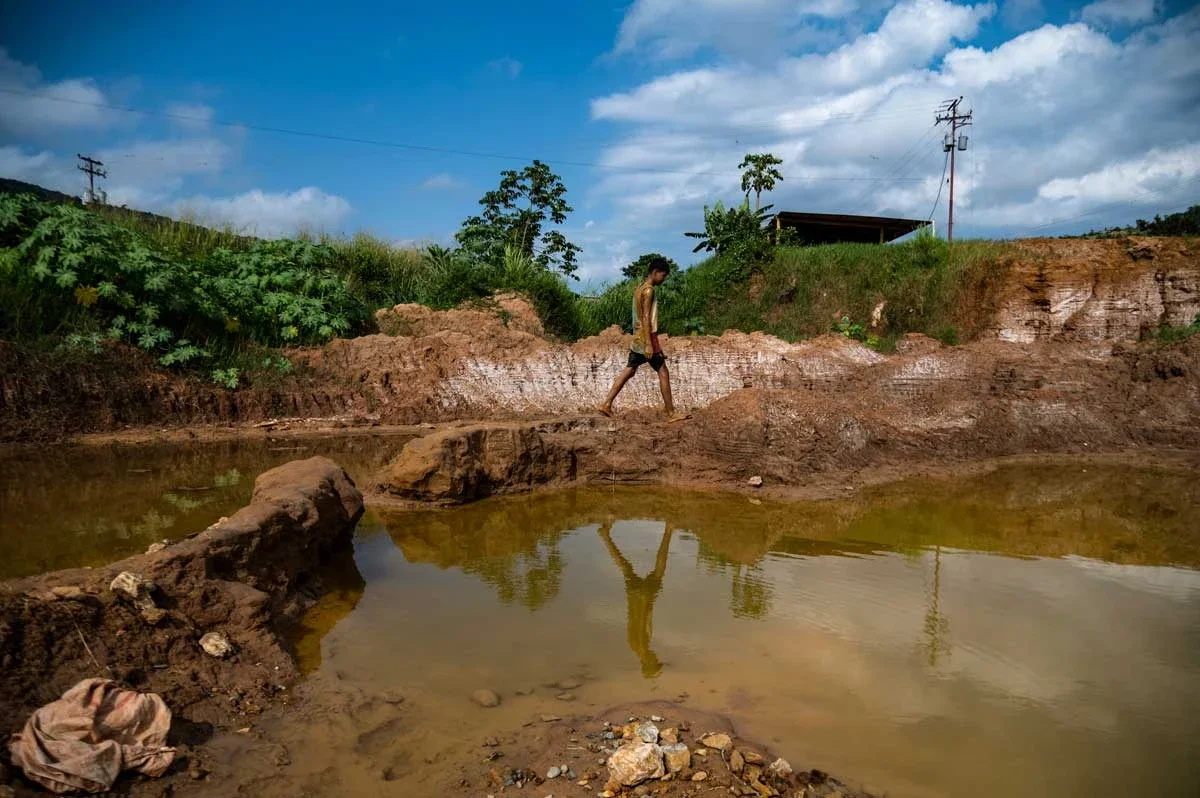
The initiative is taking place in the Bolívar state, in southern Venezuela, an area rich in gold, diamonds, and coltan that has become one of the main operational centers for armed groups that challenge state authority and earn enormous profits through illicit activities over the last decade.
U.S. officials believe that the campaign represents a decisive step to restore order in a strategic region for both hemispheric security and the supply of critical minerals used in technology and defense industries.
The operation also reflects a significant change in the Venezuelan political situation following the fall of the regime of Nicolás Maduro and the establishment of new authorities that have begun to collaborate closely with Washington on security, intelligence, and the fight against organized crime.
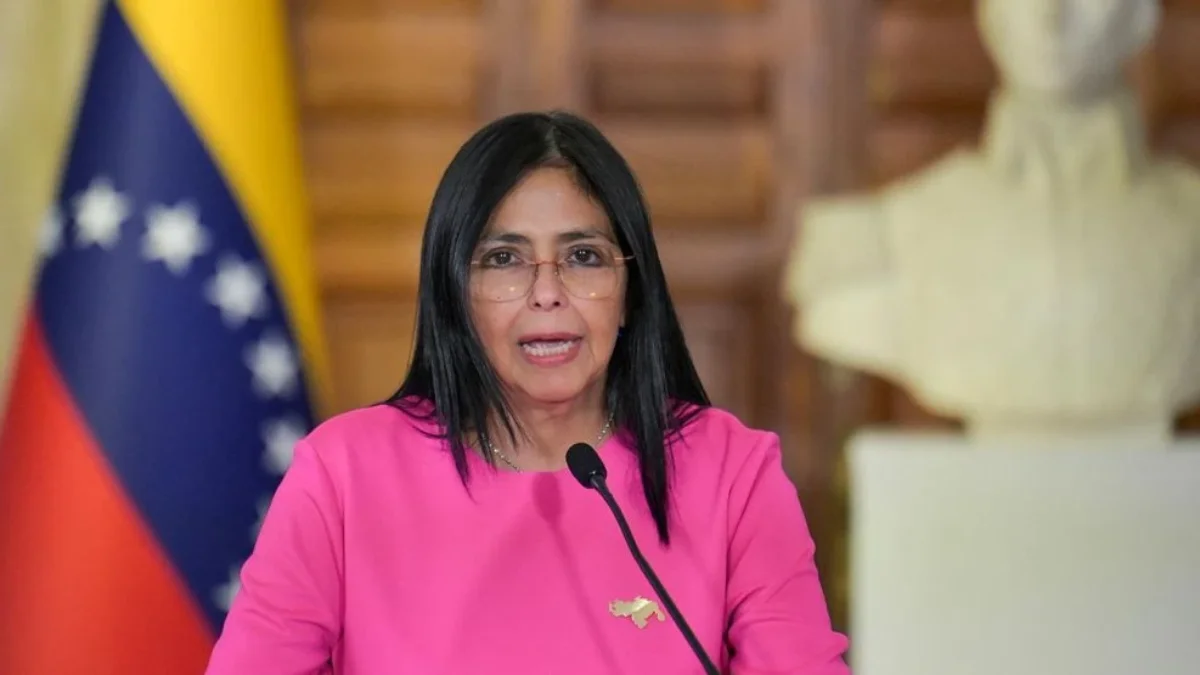
After the fall of dictator Nicolás Maduro, the provisional government of Delcy Rodríguez has shown more willingness to cooperate with Washington
One of the main objectives of the offensive is to dismantle the criminal networks associated with the Tren de Aragua and other organizations that have consolidated a true parallel power in the country's mining areas for years. These groups not only controlled the illegal extraction of resources but also imposed extortion systems, forcibly recruited workers, and exercised territorial control over numerous communities.
The campaign received a strong boost following the elimination of Héctor Guerrero Flores, known as ''Niño Guerrero'', founder and top leader of the Tren de Aragua. The criminal died in a military operation announced by President Trump, who presented the action as a demonstration of the United States' determination to confront transnational organizations that threaten regional stability.
The elimination of Guerrero was interpreted by U.S. authorities as a historic blow against one of the most dangerous criminal structures in Latin America. For years, the Tren de Aragua expanded its activities beyond Venezuela and was implicated in crimes related to human trafficking, drug trafficking, kidnappings, and extortion in several countries across the continent.
White House officials maintain that the strategy promoted by Trump demonstrates that international cooperation backed by a firm security policy can yield concrete results in the fight against organized crime.
The importance of the region where the operation is taking place goes far beyond the police aspect. Bolívar state hosts significant reserves of strategic minerals, especially coltan, a raw material essential for the manufacture of smartphones, computers, advanced communication systems, and military equipment.
In a global context marked by increasing competition for critical resources, Washington considers it a priority to secure reliable supply chains and reduce the influence of criminal actors or adversarial governments over these materials.
Alongside security operations, Venezuelan authorities have begun to implement reforms aimed at attracting foreign investments and developing a legal and regulated mining industry. The goal is to gradually replace the illegal economies that thrived for years under the protection of corrupt structures linked to the former regime.
The Trump administration seeks to secure reliable supply chains for the production of strategic minerals
U.S. entrepreneurs have already visited various areas of the region to assess investment opportunities in projects related to the extraction and processing of minerals. According to officials involved in the process, there is a growing interest from the private sector to participate in the economic recovery of the area once security conditions improve.
However, challenges remain significant. Analysts point out that for years, criminal organizations built complex economic and social networks that cannot be dismantled overnight. Illegal mining has become the main source of income for thousands of people, forcing authorities to combine security measures with economic development programs.
In recent weeks, there has been a greater presence of military and police forces in mining towns in southern Venezuela. Control operations, ground patrols, and intelligence actions aim to locate members of armed groups that remain active in the region.
The Trump administration and several private investors are seeking to strengthen the economy of the Venezuelan state after decades under the yoke of drug trafficking and illegal mining
The Trump administration believes that the operation represents a model of cooperation that could be replicated in other countries affected by transnational criminal organizations. From Washington, they emphasize that the combination of political leadership, technological support, and international coordination is allowing progress in recovering territories that have been outside effective state control for years.
If the campaign succeeds in consolidating security and facilitating new investments, southern Venezuela could transform into a significant economic development hub. For the White House, the joint effort demonstrates that a firm policy against organized crime can generate stability, promote growth, and strengthen security throughout the region.