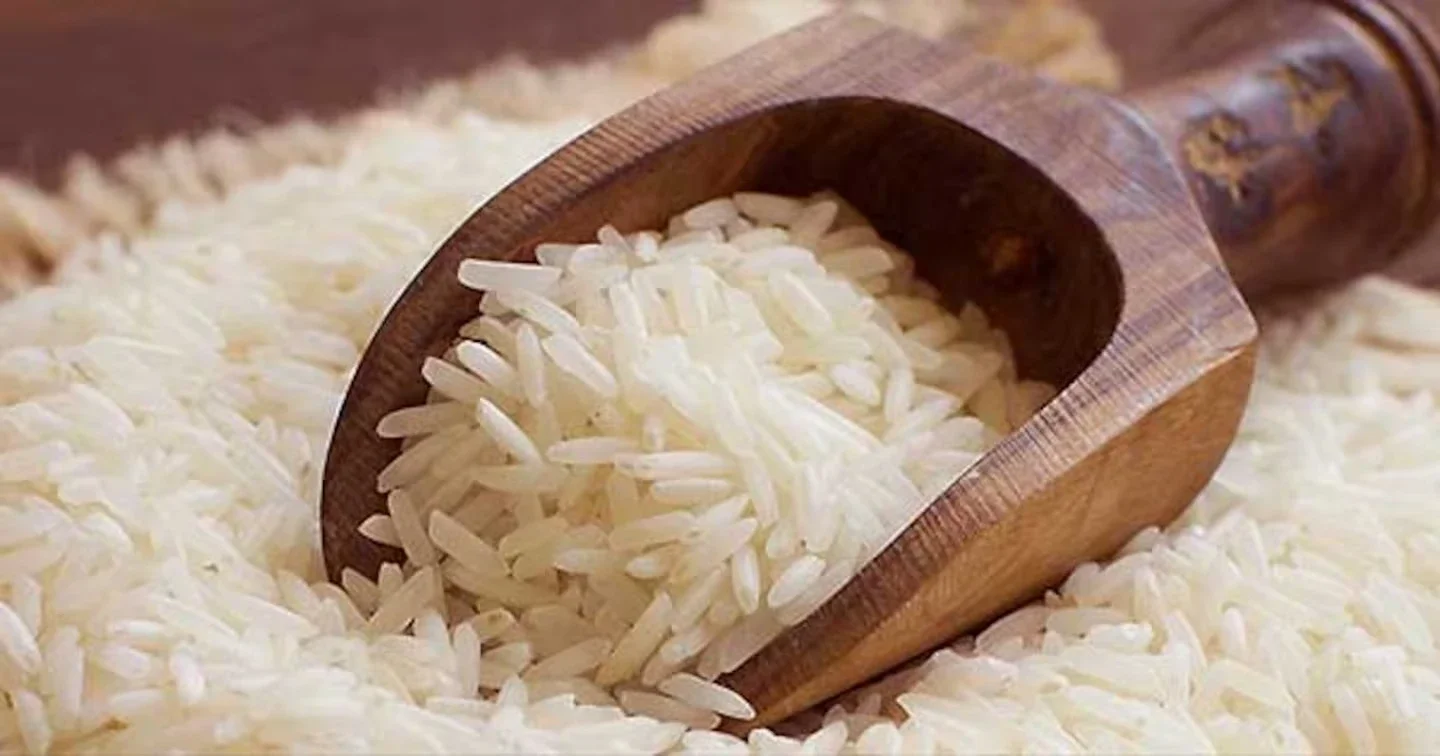
The Brazilian Government reported on May 20 the total exhaustion of the rice export quotas assigned to Mercosur for 2026 under the trade agreement with the European Union, after Argentina and Uruguay consumed the entire available quota in record time.
According to the statement released by the Department of Foreign Trade Operations (Decex) of the Brazilian Ministry of Development, Industry and Commerce, the quota established for this year reached 6,667 tons and has already been completely used by both South American countries.
Argentinian rice.
In light of this situation, Brazilian authorities confirmed that new applications for licenses to access tariff preferences within the agreement will no longer be accepted, due to the total exhaustion of the available contingent.
The data once again shows the increasing export competitiveness of the regional agriculture sector, especially from Argentina, which in recent months has been registering an acceleration in various international markets thanks to trade openness and the recovery of competitiveness driven by the Government of Javier Milei.
The speed with which the European quota was consumed also reflects the strong interest of the European market in South American agro-industrial products, in a context where international demand remains firm despite global economic difficulties.
Two records in the same day
The exhaustion of the rice quota adds to another recent precedent set by Argentina. Days ago, the Minister of Economy, Luis Caputo, reported that the country managed to complete 100% of the egg export quota to the European Union with zero tariffs in just 15 days since the trade agreement came into effect.
In that case, exports reached 333 tons from farms in Entre Ríos, Córdoba, and Buenos Aires, consolidating Argentina's rapid insertion into one of the world's most demanding markets.
The quota for egg exports was also consumed by Argentina.
Caputo then emphasized that behind these results were investments, improvements in competitiveness, and greater market openness. He also noted that deepening trade agreements with Europe is essential for Argentine companies to export “more and better.”
The trend was also replicated in other agro-industrial products. Argentina managed to concentrate more than 80% of the first zero-tariff honey export quota assigned to Mercosur by the European Union. That contingent, of 1,400 tons, was exhausted in just four days.
With the case of rice, the pattern repeats itself: the available quotas are consumed quickly due to strong demand and the growing export capacity of the Argentine agro-industrial sector, which began to regain dynamism after years of obstacles, tax pressure, and restrictions on foreign trade.