The administration of José Antonio Kast reported irregularities, uncontrolled expenses, and delayed payments after reviewing more than 500 public agencies.
Among the most questioned agencies are public hospitals, health services, the Central Supply of the National Health Services System (Cenabast), and the Civil Registry. Additionally, public resources were found to have been allocated to entities without official registration, failed public tenders, and pending funds to be recovered related to medical licenses.
The Chilean government of José Antonio Kast revealed the first results of the so-called “total audit” regarding the administration of former president Gabriel Boric and claimed to have detected a fiscal risk exceeding USD 9.2 billion, amid growing criticism of the economic and budgetary management of the previous leftist administration.
The review was conducted by the General Internal Audit Council of Government (CAIGG) and included the analysis of more than 913 million data points from around 500 public agencies corresponding to the period 2022-2026. As explained by the Undersecretary General of the Presidency, Constanza Castillo, the investigation found “errors, inconsistencies, mismanagement, structural control weaknesses, inefficiencies, and irregularities.”
One of the most concerning points detected by the audit was the existence of USD 3.2 billion in postponed payments by the State, equivalent to about 1% of Chile's GDP. Among these amounts are debts with nearly 10,000 small and medium-sized supplier companies, as well as resources committed to universities, social programs, and the healthcare system.
President Kast alongside Javier Milei
The report also detected more than USD 3.17 billion in purchases made through “direct deal” mechanisms and agile purchases, even in situations where normal public tenders could have been conducted. This would have generated price overruns close to USD 760 million for the Chilean State.
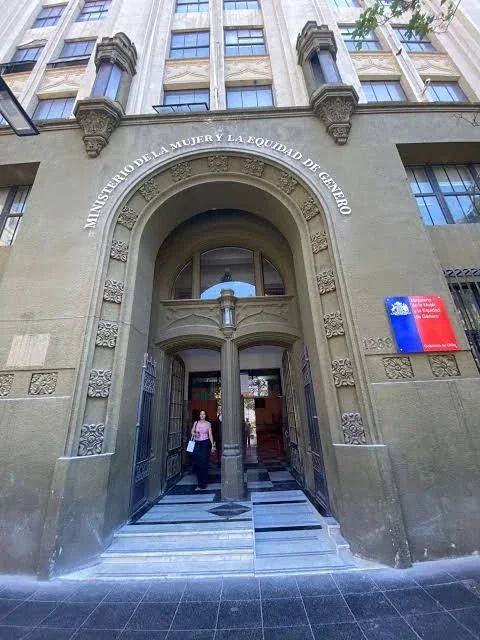
In light of this scenario, the Kast government has already ordered internal investigations in various state agencies, including Junaeb, the Ministry of Women, the Ministry of Transport, and the National Agency for Research and Development.
Headquarters of the Ministry of Women of Chile
The audit also adds to other economic warnings made in recent months about the fiscal situation inherited from the Boric administration. The current Minister of Finance, Jorge Quiroz, recently denounced “inconsistencies” in the official projections of public debt and claimed that the previous administration had underestimated future Chilean debt by more than USD 10.5 billion.
The political impact has already begun to be felt in Chile. Kast's ruling party argues that the audit confirms years of “fiscal disorder” and excessive spending during the leftist administration, while the opposition claims that the new government is trying to politically exploit the results to discredit Boric's legacy.