
Australia and the Solomon Islands strengthened their strategic alliance after condemning the recent launch of a ballistic missile by China from a nuclear-powered submarine, a maneuver that heightened concerns over the increasing militarization of the Pacific and once again scrutinized the expansion of Beijing's military influence in one of the planet's most sensitive regions.
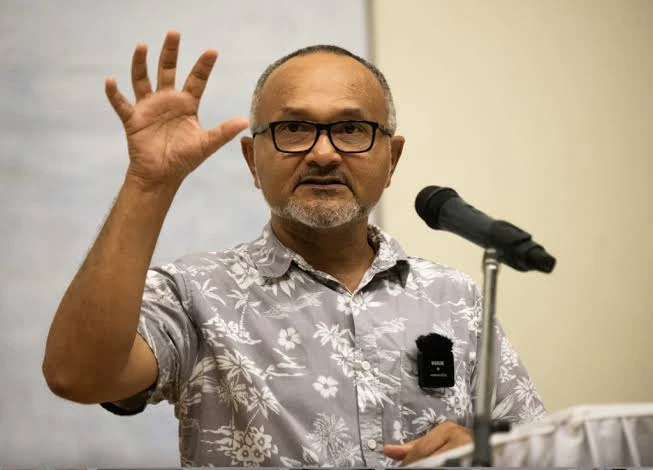
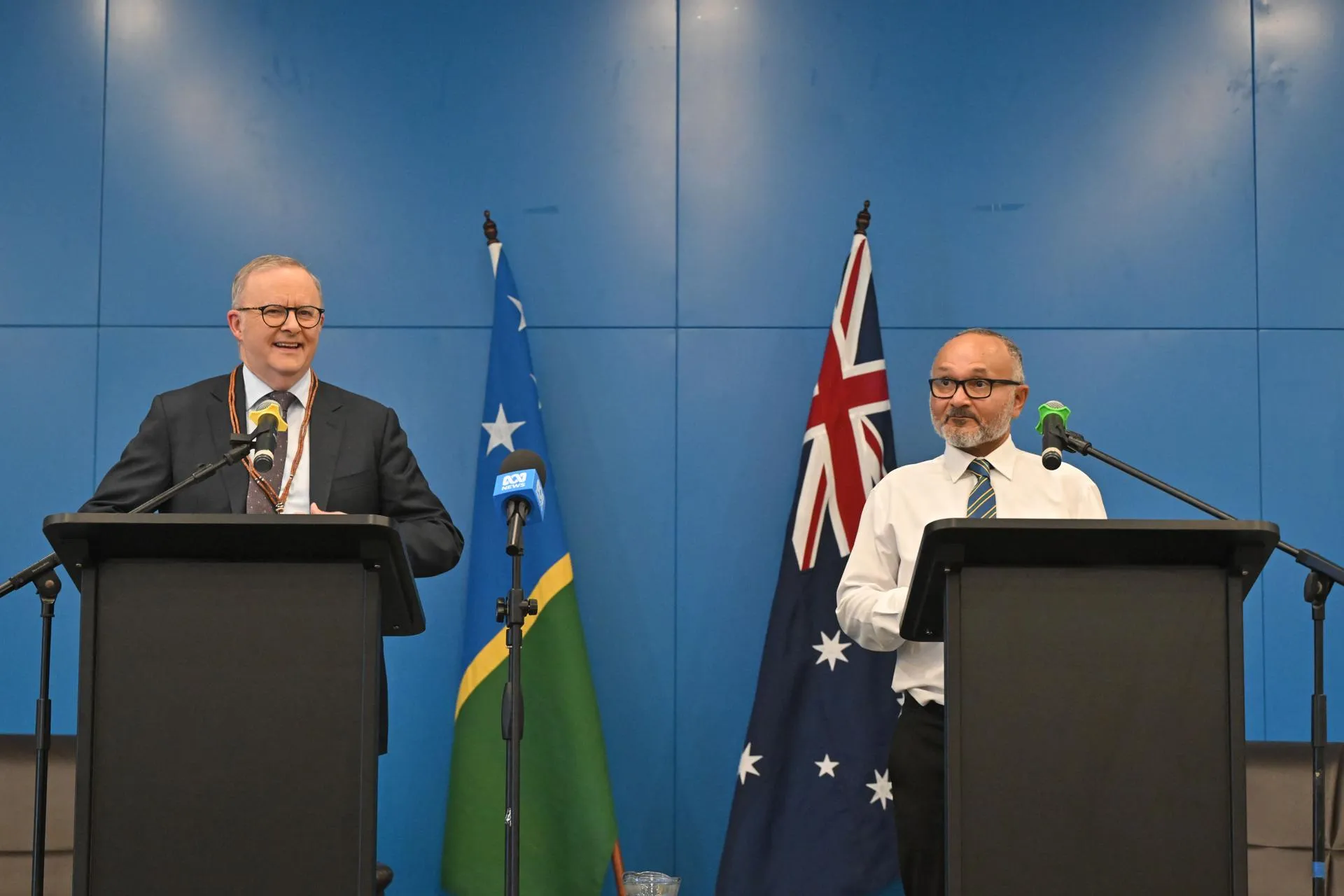
The statement came during the visit of Australian Prime Minister Anthony Albanese to Honiara, where he held a meeting with his counterpart from the Solomon Islands, Matthew Wale. Both leaders agreed that the test conducted by China represents a provocative action that threatens regional stability and agreed to deepen bilateral cooperation in security and strategic relations.
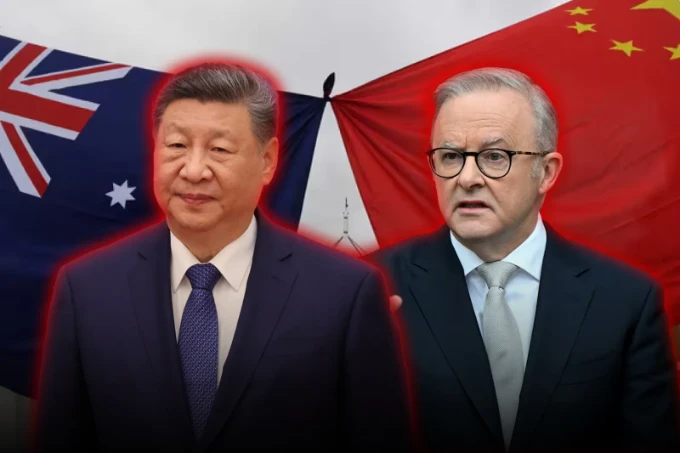
Albanese stated that the missile launch constitutes a destabilizing act and particularly questioned that Chinese authorities did not adhere to the usual international transparency procedures. He explained that Beijing did not notify at least 48 hours in advance about the test, as is typically expected in such military operations to reduce risks and avoid incidents with other countries.
The Australian leader maintained that the main concern was not only the missile launch but the fact that it was fired from a nuclear-powered submarine belonging to the People's Liberation Army Navy. This detail highlights the advancement of China's strategic capabilities and fuels the concerns of regional governments about the growing Chinese military deployment in the Indo-Pacific.
According to the Chinese official agency Xinhua, the missile, equipped with a simulated warhead, was launched on Monday towards international waters of the Pacific Ocean and fell in a previously designated area. However, Chinese authorities did not provide precise information about the exact impact location, which increased doubts and concerns among neighboring countries.
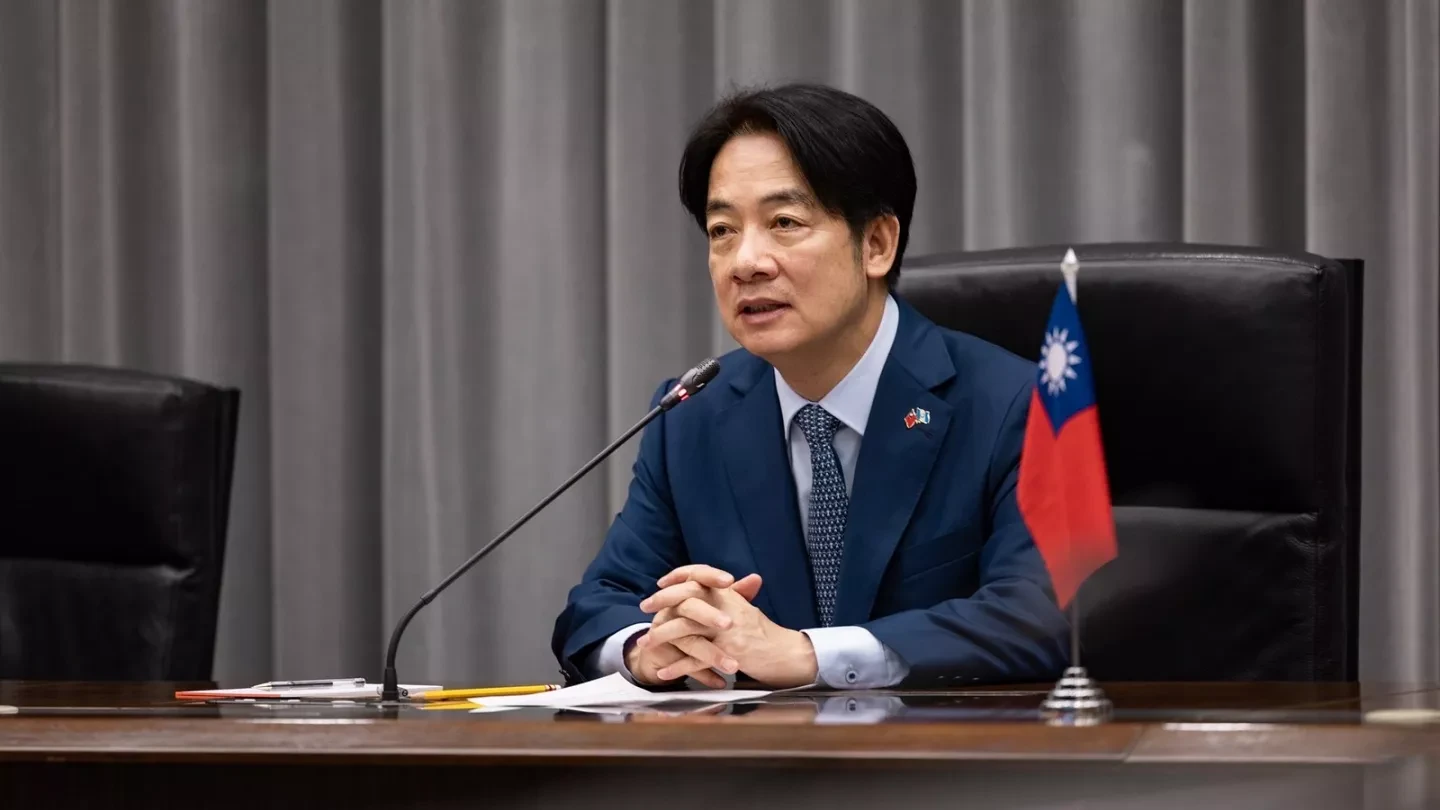
The test provoked immediate criticism from the United States, Australia, Japan, New Zealand, and Taiwan, who all warned about the provocative nature of the test. In response, the Chinese Ministry of Foreign Affairs attempted to downplay the controversy and urged the international community not to ''overstate'' the episode.
Nevertheless, the reaction from numerous governments reflects a growing distrust towards Beijing's actions, especially due to its tendency to expand its military and strategic presence in regions where it has historically had limited influence. The launch confirms that China continues to develop long-range military capabilities while increasing pressure on its neighbors and challenging the strategic balance in the Pacific.
Australia observes this expansion with growing concern. Although China remains its main trading partner, Canberra has strengthened its security policy in recent years to prevent Beijing from establishing a permanent military presence in the South Pacific. This strategy has included signing cooperation agreements with various island nations, enhancing coordination with the United States, and increasing diplomatic investment in the region.