The Municipality of El Bolsón awarded the Key to the City in October 2025 to Mawlana Shaykh Muhammad Adil Efendi, an international Muslim leader of the Naqshbandi Sufi order, during a visit that also included the inauguration of a mosque in Olavarría, which evidenced the gradual expansion of Islamic structures in various towns in the Argentine interior and the silence of the traditional media.
The recognition took place on October 22 during a ceremony led by the president of the Deliberative Council, Agustín Guasco, who was in charge of the municipal Executive due to the mayor Bruno Pogliano's leave of absence. The municipal chief also participated in the meeting along with officials, councilors, and residents.
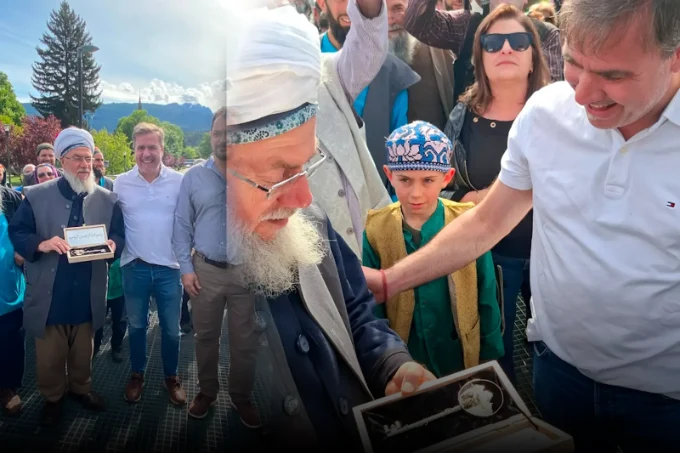
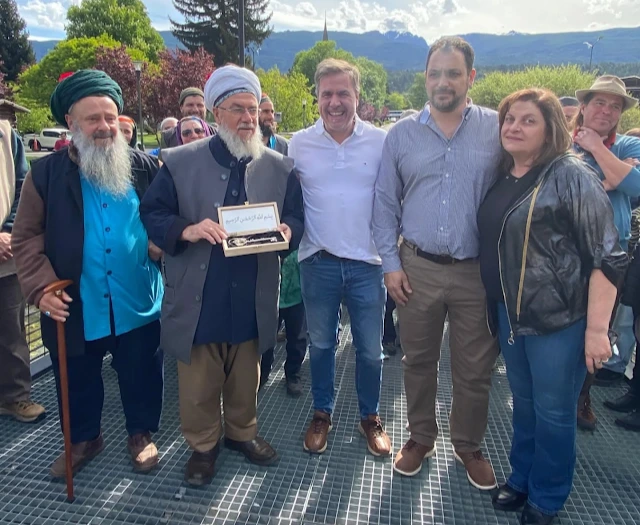
Officials from El Bolsón handing the key to the Muslim.
The Municipality justified the award of the distinction as a reaffirmation of the values of “respect, diversity, and interreligious dialogue,” with a religion that despises them. However, the authorities did not disclose what the actual merits considered were to grant one of the city's main symbolic recognitions to a foreign and extremist religious leader.
The ceremony had virtually no impact on major national media, despite the honoree being on a announced regional tour. Muhammad Adil had arrived from Turkey as part of a tour of various South American countries, aimed at visiting and strengthening the communities linked to the Naqshbandi order.
The mosque of Olavarría
During that same tour, the Sufi leader led the opening of the first mosque in Olavarría, in the province of Buenos Aires. The temple was publicly presented as a space for spirituality, community gathering, and coexistence among religions.
The local Muslim community stated that it has been working in the city since 2010 and that the project to build a temple had been in the works for several years. However, the inauguration raised questions about the source of funding, the international ties of the organization, and the content of the training provided to its followers.
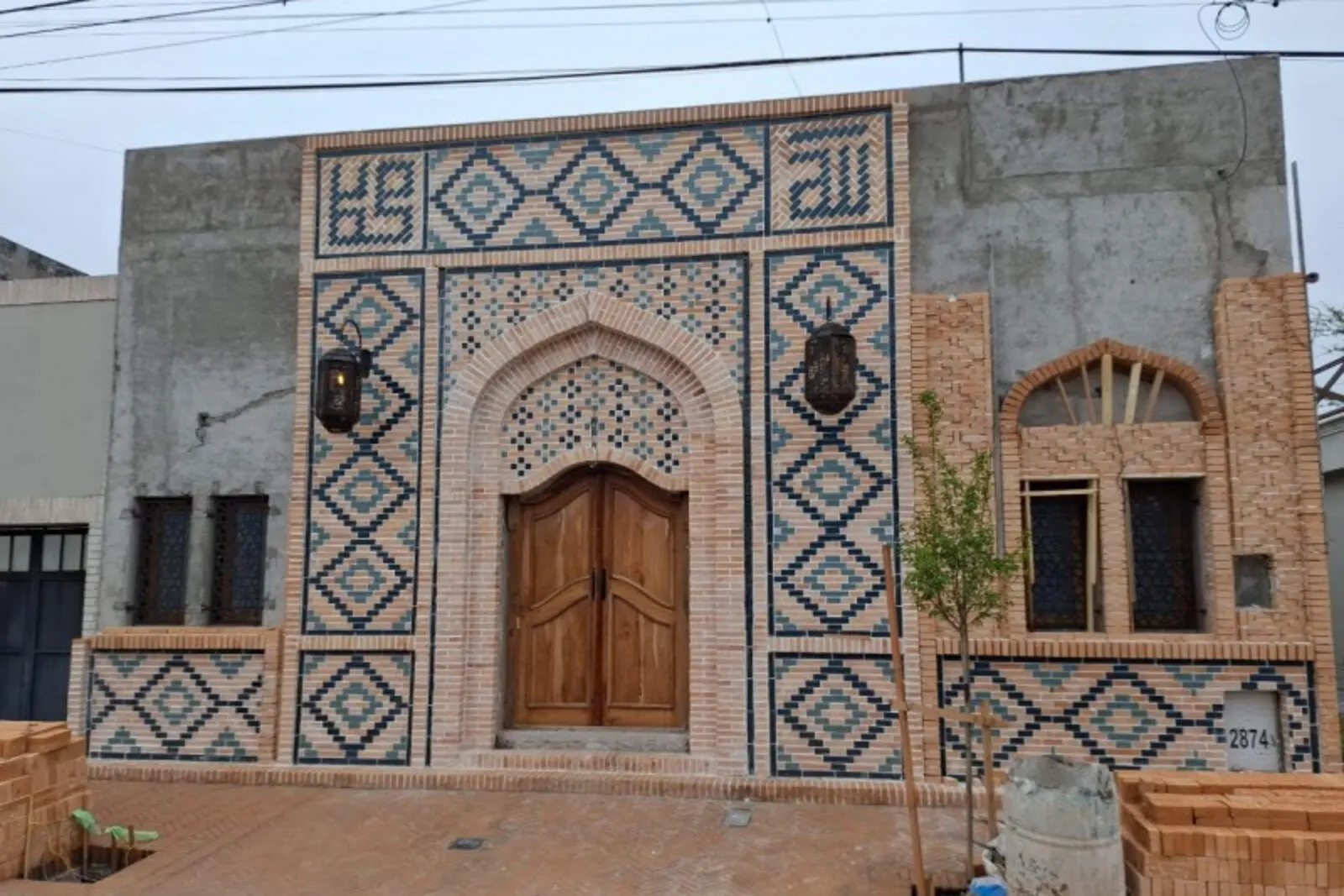
The mosque inaugurated in Olavarría by the same Muslim.
Religious freedom is protected by the Constitution, and the majority of Argentine Muslims practice their faith peacefully. This guarantee should not prevent the State from transparently monitoring religious organizations funded or directed from other countries.
The case of Olavarría also demonstrates that the granting in Olavarría was not simply a visit, but a symbol of the Islamic expansion process. It was a tour organized to consolidate the regional presence of an international Islamic order through temples, local communities, and relationships with public officials.
While in Europe there is an extensive debate about the political, cultural, and economic influence of foreign Islamic organizations on quality of life, in Argentina these movements advance with the silence of traditional media and under the argument of diversity.