

Roberto Lavagna confirmed before the Justice that during the Kirchner era, average overpricing of 20% was detected in National Road contracts and that these irregularities did not appear as isolated cases, but as part of a mechanism compatible with a cartelization of public works.
The former Minister of Economy testified this Thursday as a witness in the trial derived from the Cuadernos case, before the Federal Oral Court No. 7, and provided a central piece of information for the investigation into the contracting system during the governments of Néstor and Cristina Kirchner. As he explained, the alarms were raised following warnings from the World Bank, an organization that financed road works in Argentina and expressed concern about how the programs were being executed.
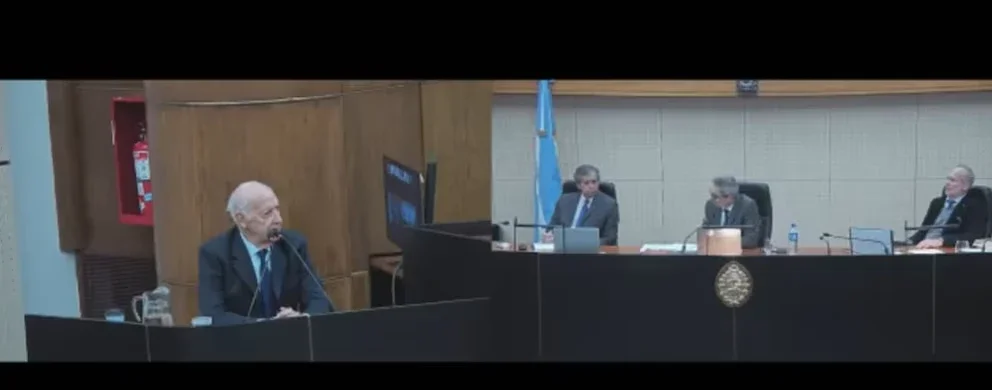
Lavagna recounted that, in response to that international warning, he ordered the preparation of an exploratory report on National Road, the area that generated the most concern. That study, conducted between May and August 2006, detected "doubts about a certain process of cartelization of contracts" and margins of overpricing averaging around 20%, with cases that may have even exceeded that percentage.
The former official stated that, once those results were known, he requested the urgent intervention of the National Commission for the Defense of Competition to deepen the investigation. As he recalled, that agency began to work on various cases of anti-competitive practices, and then emblematic files emerged, such as those related to cement companies and gas for hospitals.