










In July, three typhoons made landfall in China, and millions of people had to be relocated from affected areas in the industrial regions of the east and south of the country.
The weather-related disruptions added pressure to an economy that is already facing problems of domestic demand and a reduced impetus from stimulus policies.
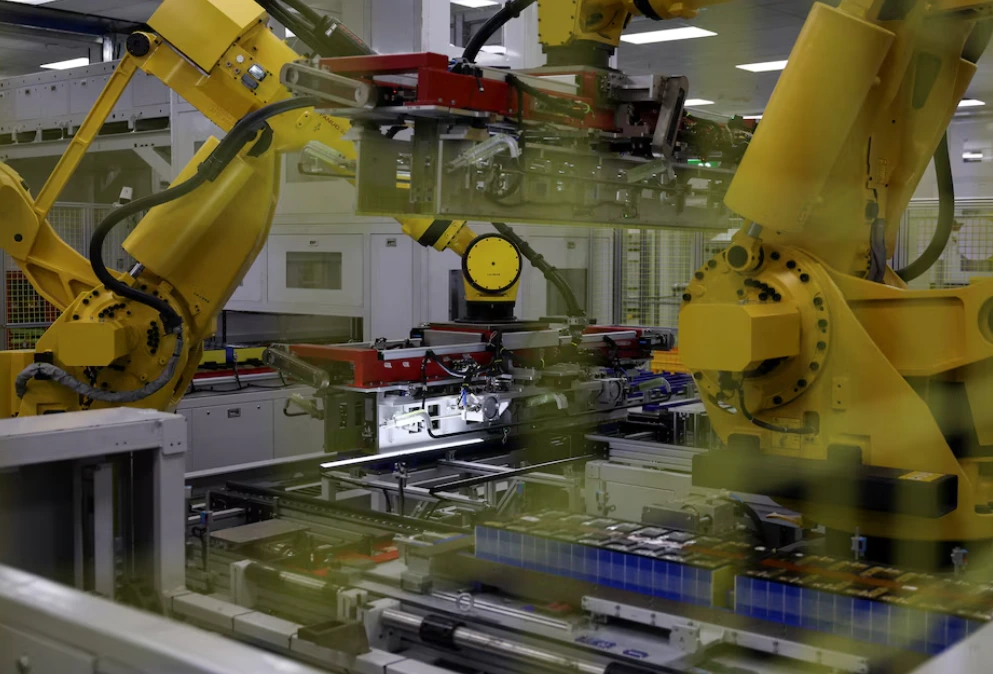
The problem for Beijing is that an economy excessively dependent on exports is more exposed to any external shock, especially in a context of increased trade barriers and geopolitical tensions.
China maintains a huge trade surplus
The weakness of domestic consumption contrasts with the strength of exports.
China again recorded a trade surplus exceeding 100 billion dollars in July, and the annual total is on track to surpass one trillion dollars for the second consecutive year.
This figure demonstrates the enormous export capacity of the Chinese industry, but it also exposes one of the central imbalances of its economic model: while factories maintain high production aimed at the outside, domestic consumption fails to keep pace.
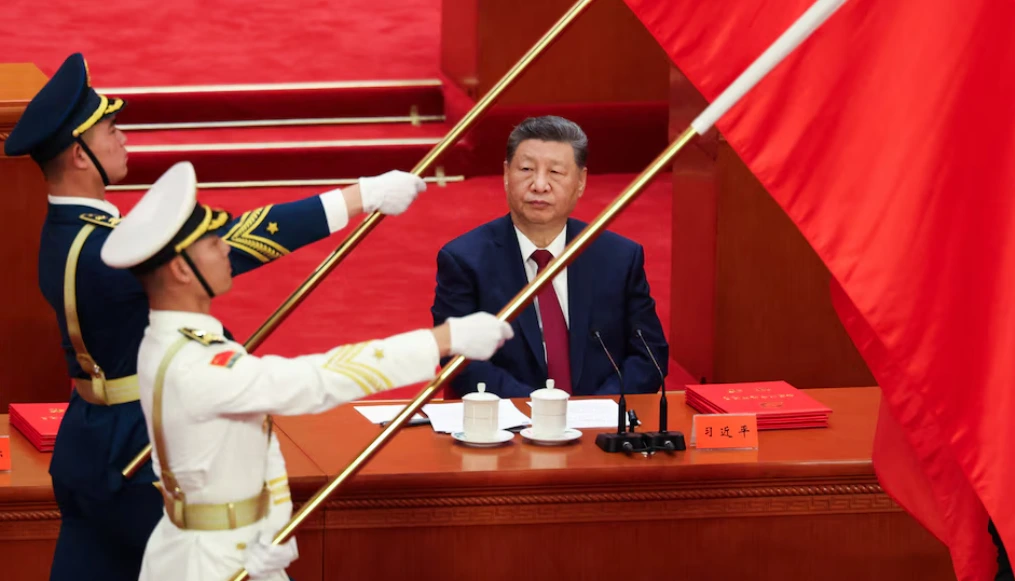
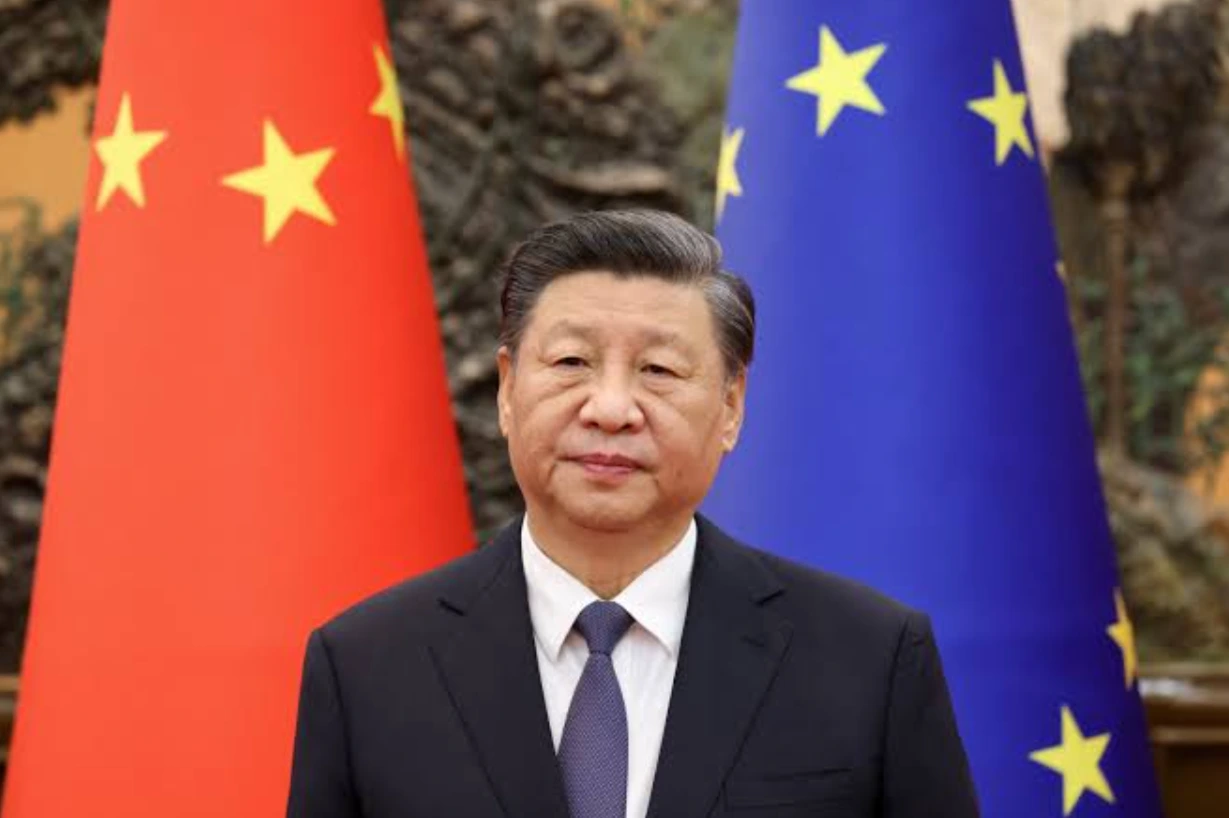
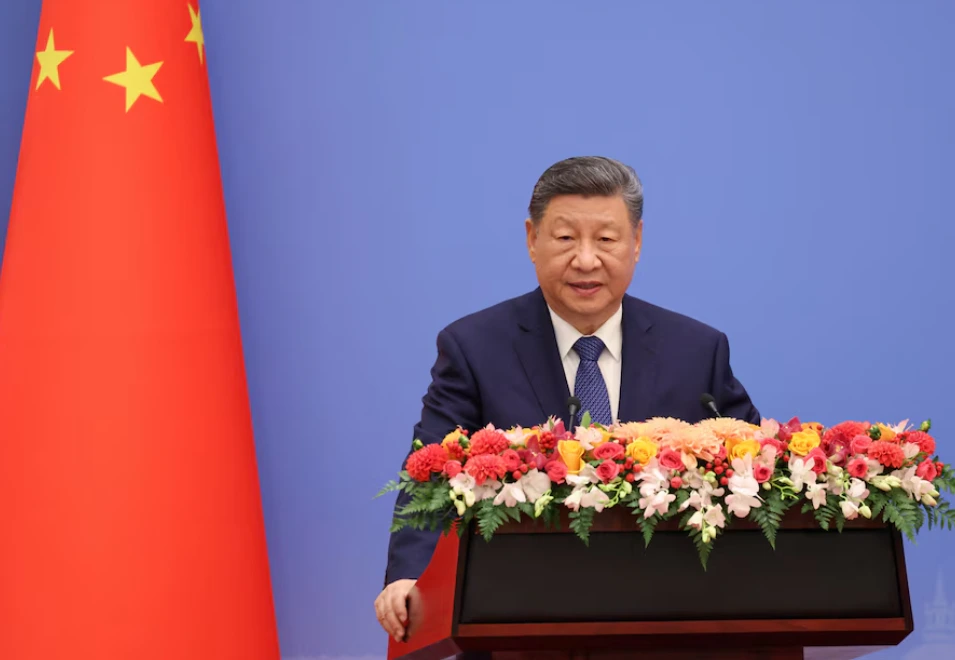
The challenge for Xi Jinping and the Communist Party is precisely to ensure that growth stops depending on exports and investment and finds a more solid engine in the consumption of its own citizens.
For now, the July data shows that the measures promoted by Beijing are not fully reversing the weakness of the Chinese economy. With production losing momentum, disappointing consumption, and an automotive market that has accumulated months of decline, the regime faces a second half of the year marked by the need to recover economic dynamism.