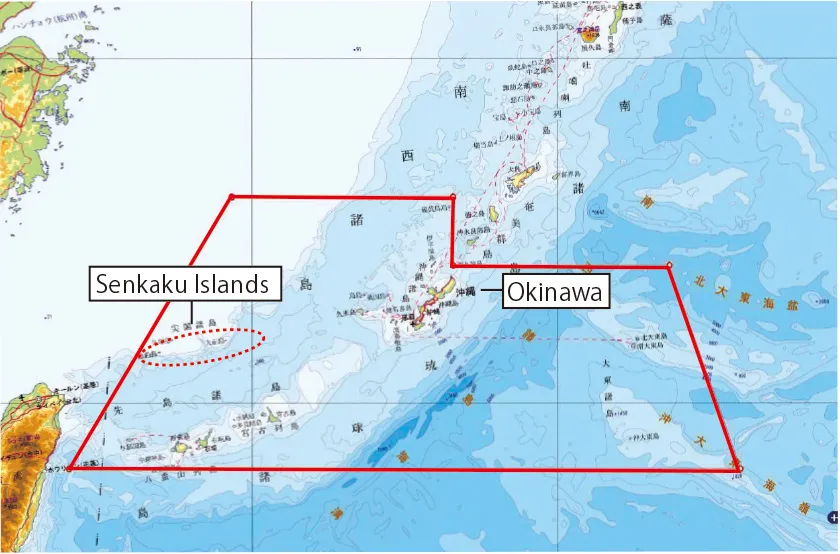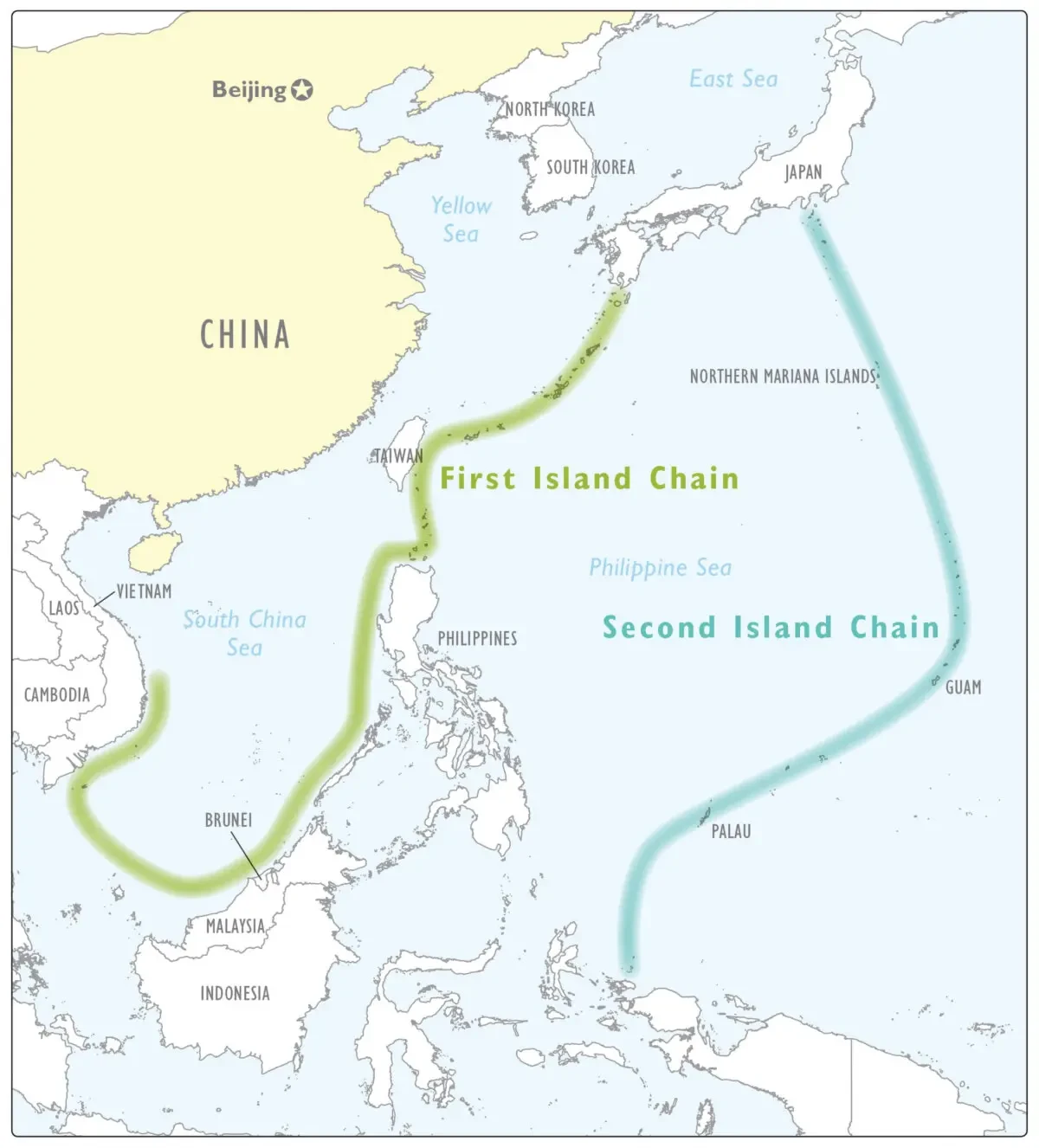










A new confrontation between coast guard vessels from China and Japan in the waters surrounding the disputed Senkaku Islands, known by Beijing as Diaoyu, has once again raised tensions in the East China Sea and highlighted the growing strategic rivalry in the Indo-Pacific.
Although analysts believe that the incident is unlikely to lead to immediate armed conflict, they warn that China's ongoing actions are fueling a climate of distrust that could increase the risk of future crises.
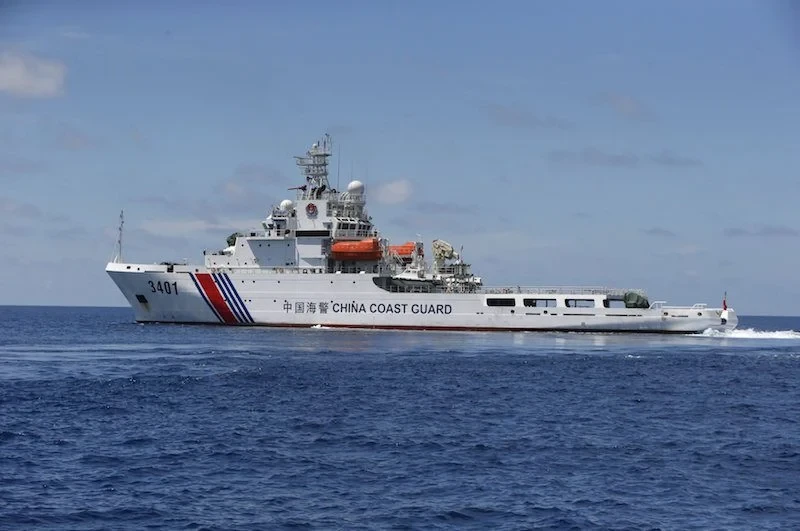
The incident occurred on July 7, when both Tokyo and Beijing accused each other of violating their territorial waters. The Japan Coast Guard reported that two Chinese vessels approached a Japanese fishing boat operating in the area, prompting their units to intervene to protect the vessel and expel the Chinese ships from the area.
For its part, the China Coast Guard claimed that the Japanese fishing boat entered waters it considers part of the Diaoyu Islands and stated that its patrol boats acted to warn and expel the vessel. As is common in such incidents, both governments maintained that they acted within their jurisdiction and defended their respective territorial claims.
The islands, uninhabited but strategically located in the East China Sea, are administered by Japan under the name Senkaku, although they are also claimed by the People's Republic of China and Taiwan. The dispute has persisted for decades and remains one of the main points of friction between Tokyo and Beijing.
Historically, China asserts that the islands were part of its territory before 1895, when they were incorporated by Japan following the Sino-Japanese War and the signing of the Treaty of Shimonoseki. After World War II, sovereignty over the islands was not clearly defined in subsequent treaties, allowing the territorial conflict to remain unresolved.
In 1971, the United States returned the administration of Okinawa and the Senkaku Islands to Japan through the Okinawa Reversion Agreement, a decision rejected by both the People's Republic of China and Taiwan, which maintain their respective claims over the archipelago.