
Conversations with Murray Rothbard: Do We Need the State to Be Supportive?

Conversations with Murray Rothbard: Do We Need the State to Be Supportive?

Most read in Argentina

The chats that could complicate Mauro Icardi after Wanda Nara's complaint

  1. The Spanish Supreme Court rejects VOX's request and allows nearly 200,000 naturalized foreigners to vote under the Grandchildren's Law

  2. Weather in the AMBA: when the rains may arrive during the visit of Pope Leo XIV

  3. Claude allows you to connect bank accounts and analyze expenses: how the new tool works

  4. Argentina takes the United Kingdom to the International Tribunal for the Law of the Sea: arguments against British exploitation in the Falklands

Imagen de Editorial Team
porEditorial Team
Argentina

León XIV highlighted the role of families and communities in caring for others. Rothbard distinguishes between voluntary solidarity and state assistance

Add La Derecha Diario on
Share:

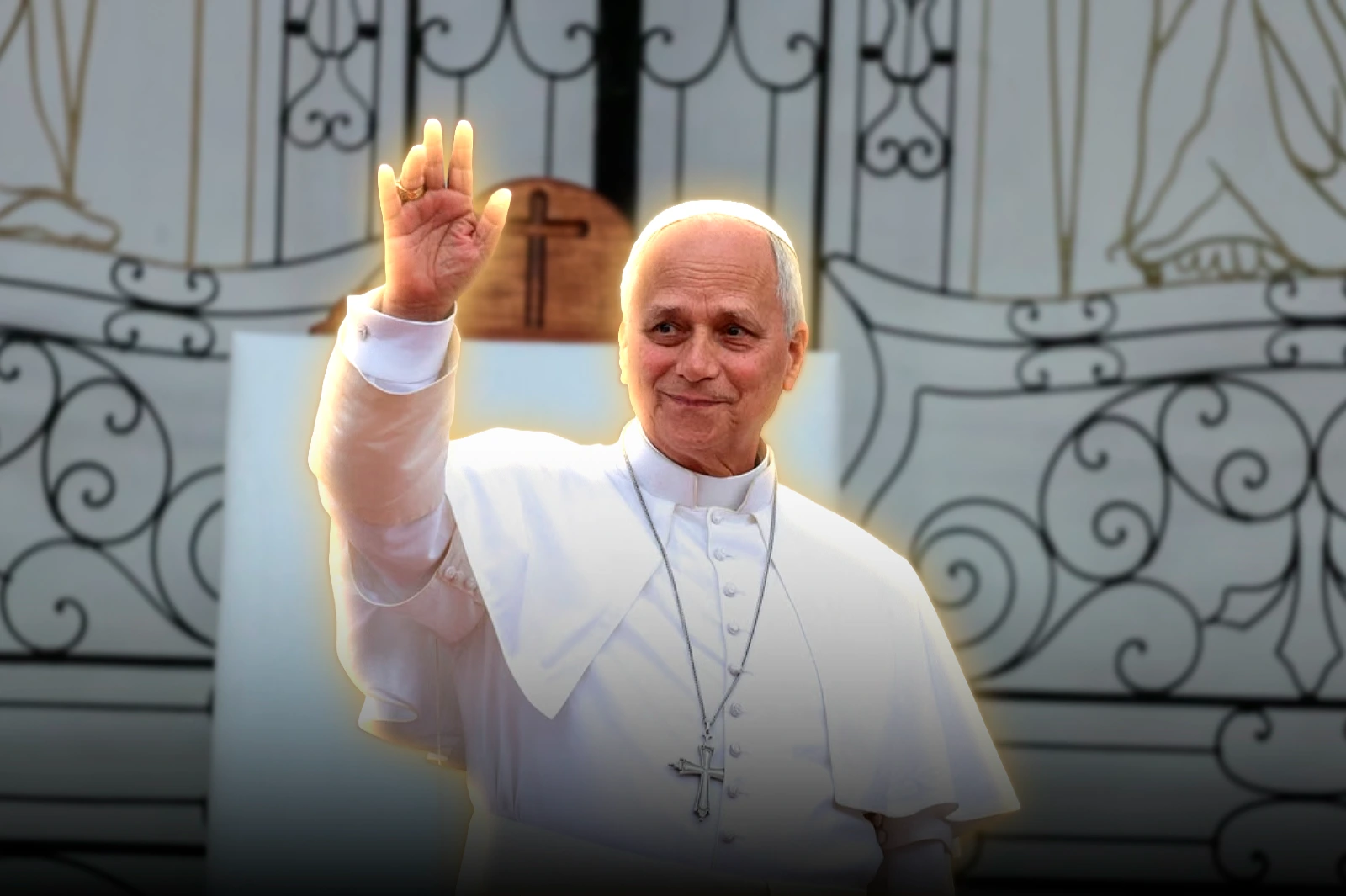
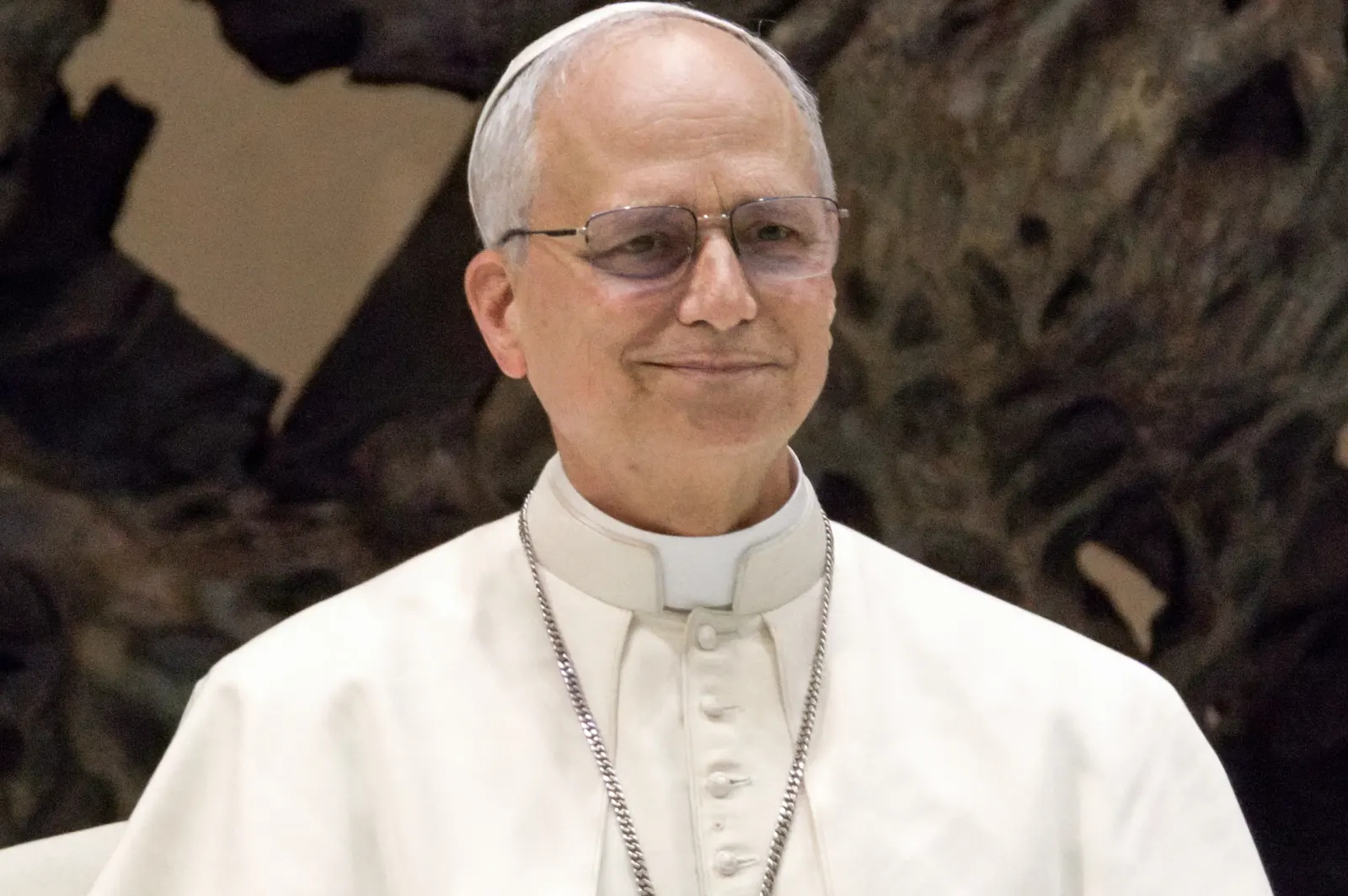
In the midst of a papal visit that has all of Argentina talking about Leo XIV, a part of his speech on Saturday at the Palacio Libertad deserves attention. The Pope defined the family as the “basic cell of society,” where we learn to care for the weak, share, and stand by those in need. He also recalled that for centuries the Church educated, cared for the sick, and accompanied the poor. He even stated that there are goods necessary for a society that no public policy can produce on its own.

This was the topic I returned to “discuss” with Murray Rothbard. Because those words allow us to separate two concepts that we often treat as synonyms: solidarity and state assistance.

—Professor Rothbard, the Pope just emphasized that in the family we learn to care for the weak and help those in need. Don’t we then need a supportive society?

—Naturally. The question is not whether people should help others. The question is what happens when we transform that moral responsibility into an obligation imposed by force.

—But if a poor person receives food, what does it matter if it came from a donation or a state program?

—For the person receiving the food, there is a similar material outcome. But the mechanism is completely different. In one case, someone decided to give their own resources; in the other, the State previously obtained resources through taxation and decided how to distribute them.

—So you reject help for the poor?

—On the contrary. In “Economic Controversies,” I defended replacing coercive public welfare with private charity. My objection is not against helping. It is against identifying help with coercion.

—Leo XIV also recalled that for centuries the Church educated, cared for the sick, and stood by the poor.

—And that demonstrates something important: recognizing a social need does not prove that the State must satisfy it. Between the isolated individual and the government, there is an enormous human capacity to associate, cooperate, and help voluntarily.

—But your critics might respond that voluntary charity may not be enough. What happens to someone whom no one wants to help?

—It is a serious objection. But the need of a person, no matter how urgent, does not automatically create a right over the property of another. We may have a moral obligation to help without concluding that a third party acquires the right to force us to do so.

—Isn’t that a too individualistic conception of society?

—Only if we confuse voluntariness with isolation. A free society can have families, churches, communities, associations, and charitable organizations. What disappears is not cooperation; what disappears is the claim to obtain it through coercion.

—So, what fundamental difference do you find between charity and redistribution?

—In charity, the one who gives something of theirs has decided to help. In state redistribution, the one administering the aid does not necessarily give their own resources: they dispose of resources obtained compulsorily from others.

—The Pope also said that there are goods that no public policy can produce on its own: trust, forgiveness, and willingness to serve.

—And there appears a fundamental limitation of political power. The State can order transfers. It cannot genuinely order generosity. It can change who possesses certain resources; it cannot turn coercion into virtue through a law.

—What would then be the correct question when we talk about solidarity?

—I would not only ask how much the State should do for those in need. I would first ask how much a society can do when we allow people to voluntarily take on the responsibility of helping each other.

—Thank you very much, professor. We’ll continue next week.


La Derecha Diario on X

  1. 🏳️‍🌈🏳️‍⚧️ | UN DEMENTE TRAVESTI ATACÓ A ESTUDIANTES DE DERECHA EN TEXAS Tras las elecciones de medio término, un enfermo mental que se cree mujer derribó una bandera estadounidense y atacó con un bastón a un representante de Turning Point USA —organización fundada por Charlie Kirk— y a otros dos alumnos durante un evento universitario.

    9 min ago

  2. HISTÓRICO: La aerolínea española Iberia celebró 80 años de vuelos entre Madrid y Buenos Aires, una ruta que inauguró en 1946 con un avión Douglas DC-4 que tardaba 36 horas en completar el recorrido. Actualmente, Iberia opera tres vuelos diarios entre ambas ciudades y considera a la Argentina uno de sus mercados prioritarios en América Latina, con planes de seguir ampliando su conectividad.

    13 min ago

  3. RELIGIÓN ASESINA: MUSULMÁN ADMITE SU APOYO A HITLER POR MATAR JUDÍOS En pleno centro de Londres, Reino Unido, un musulmán afirmó que "ama a Hitler" porque "solía matar judíos".

    24 min ago

  4. ARGENTINA FARO DE OCCIDENTE: IMPRESIONANTE RECIBIMIENTO AL PAPA LEÓN XIV EN CÓRDOBA Alrededor de 650.000 fieles católicos recibieron al sumo pontífice y participaron de la misa celebrada en Córdoba, dejando imágenes impactantes que ratifican la profunda tradición católica y la defensa de la fe apostólica romana en la Argentina.

    44 min ago

La Derecha Diario logo
TwitterInstagramYouTubeTikTokFacebook
Derecha Diario TV

Nosotros

  • Quienes Somos
  • Autores
  • Donar

Privacidad

  • Protección de datos
  • Canales
  • Sitemap
  • RSS

Contacto

  • info@derechadiario.com.ar
PUBLICIDAD
La Derecha Diario logo
ESX logoInstagram logoYouTube logoTikTok logoFacebook
ARGENTINAUNITED STATESECUADORISRAELMEXICOURUGUAY
DERECHA DIARIO TV
  • ES
    XInstagramYouTubeTikTokFacebook
  • DERECHA DIARIO TV
  • Sections
  • ARGENTINA
  • UNITED STATES
  • ECUADOR
  • ISRAEL
  • MEXICO
  • URUGUAY
  • Countries
  • La Derecha Diario logoLA DERECHA DIARIO
  • La Derecha Diario México logoLA DERECHA DIARIO MÉXICO
  • La Derecha Diario Uruguay logoLA DERECHA DIARIO URUGUAY
  • La Derecha Diario Ecuador logoLA DERECHA DIARIO ECUADOR
  • La Derecha Diario Israel logoLA DERECHA DIARIO ISRAEL
  • La Derecha Diario Estados Unidos logoLA DERECHA DIARIO ESTADOS UNIDOS
  • Topics
  • GUERRA EN IRÁN
  • The Newspaper
  • QUIENES SOMOS
  • AUTORES
  • PUBLICIDAD
  • DONAR

Related news

Weather in CABA: rain returns and the temperature will reach 29 degrees

Weather in CABA: rain returns and the temperature will reach 29 degrees

Pope Leo XIV met with representatives of the Church at the Cathedral of Córdoba

Pope Leo XIV met with representatives of the Church at the Cathedral of Córdoba

Pope Leo XIV held a mass for nearly one million people in Córdoba

Pope Leo XIV held a mass for nearly one million people in Córdoba

Jim Jordan will lead the Republicans in the House of Representatives and promises to confront the Democrats

Jim Jordan will lead the Republicans in the House of Representatives and promises to confront the Democrats

Thank you very much, Holy Father

Thank you very much, Holy Father

The Argentine Air Force successfully launched two new sounding rockets and is advancing in its technological development

The Argentine Air Force successfully launched two new sounding rockets and is advancing in its technological development