
The U.S. State Department published a report accusing Cuba of building a global espionage network

The U.S. State Department published a report accusing Cuba of building a global espionage network
Imagen de Editorial Team
porEditorial Team
Argentina

The document states that the Cuban regime has exported the revolution for more than six decades through intelligence operations, support for guerrillas, and political influence in Latin America and the United States

Add La Derecha Diario on
Share:

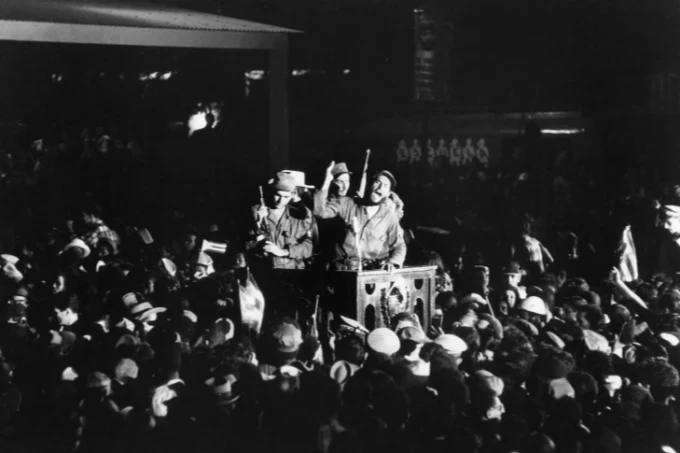
The U.S. Department of State published an extensive report of over 100 pages accusing the Cuban regime of having built, over more than six decades, a sophisticated international network of espionage, political subversion, and exportation of the communist revolution. The document claims that Havana developed a strategy aimed at infiltrating U.S. institutions, supporting revolutionary movements, and consolidating a structure of ideological influence in Latin America and other regions of the world.

According to the report, the exportation of the revolution was one of the pillars of the foreign policy of the regime established by Fidel Castro in 1959. Over decades, Cuba is said to have perfected a model based on intelligence operations, propaganda, training of political cadres, and logistical support to revolutionary organizations in various countries.

The Department of State claims that Cuba turned the revolution into a state policy

The report states that the Cuban regime developed a permanent structure of espionage and political influence aimed at weakening the position of the United States and expanding the revolutionary model in the Western Hemisphere.

The authors assert that Havana managed to establish itself as the main ideological center of a new revolutionary left, even differentiating itself from the Soviet model and promoting a doctrine based on anti-imperialism and the so-called "Third World."
The report links Cuba to guerrillas and revolutionary movements in Latin America

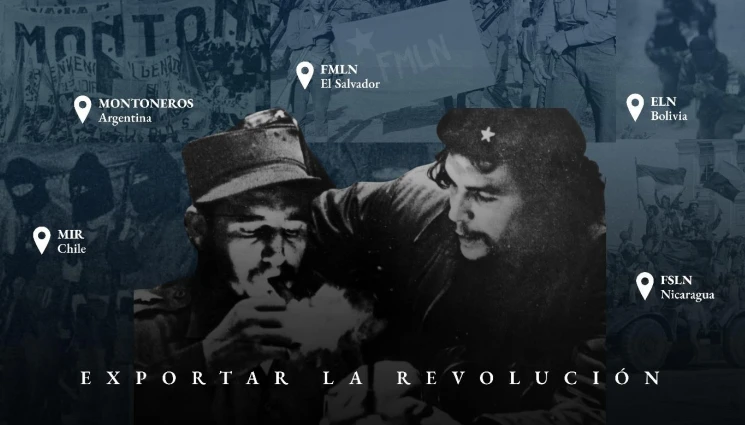
The report links Cuba to guerrillas and revolutionary movements in Latin America

One of the central sections of the document reviews the support that, according to the Department of State, the Cuban regime provided to armed organizations in various countries in the region.
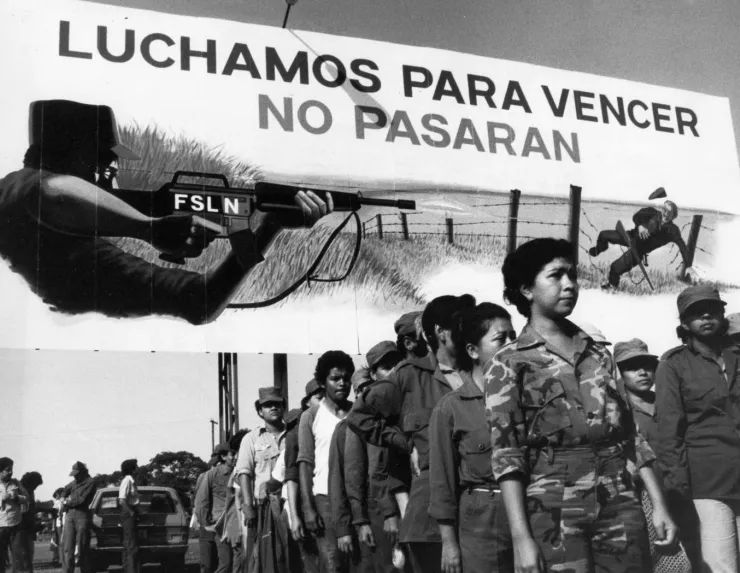

Among the cases mentioned are the Montoneros in Argentina, the Tupamaros in Uruguay, the Colombian ELN, and the Sandinista National Liberation Front in Nicaragua, as well as operations linked to Venezuela and other Latin American countries.

Espionage and infiltration in the United States

Espionage and infiltration in the United States

The report also dedicates an extensive chapter to Cuban intelligence operations. It claims that the Intelligence Directorate (DI) developed a strategy of infiltration in government agencies, universities, and other U.S. institutions over decades through the ideological recruitment of long-term agents.

According to the document, this structure combined espionage tasks with political influence and propaganda campaigns, using academic organizations and social movements to expand the international presence of the Cuban regime.

Venezuela as the main regional ally

The Department of State also dedicates a section to the relationship between Cuba and Venezuela following Hugo Chávez's rise to power in 1999. The report states that Havana gained decisive influence over various Venezuelan institutions through cooperation agreements, intelligence and security advice, and personnel exchanges, thus consolidating a strategic alliance that strengthened the regional projection of the Cuban regime.

The document concludes that the networks of influence, intelligence, and cooperation promoted by Cuba during the Cold War evolved over time and continue to have effects on regional and international politics.


La Derecha Diario logo
ESX logoInstagram logoYouTube logoTikTok logoFacebook
ARGENTINAUNITED STATESECUADORISRAELMEXICODERECHA DIARIO TV
  • ES
    XInstagramYouTubeTikTokFacebook
  • DERECHA DIARIO TV
  • Sections
  • ARGENTINA
  • UNITED STATES
  • ECUADOR
  • ISRAEL
  • MEXICO
  • URUGUAY
  • Countries
  • La Derecha Diario logoLA DERECHA DIARIO
  • La Derecha Diario México logoLA DERECHA DIARIO MÉXICO
  • La Derecha Diario Uruguay logoLA DERECHA DIARIO URUGUAY
  • La Derecha Diario Ecuador logoLA DERECHA DIARIO ECUADOR
  • La Derecha Diario Israel logoLA DERECHA DIARIO ISRAEL
  • La Derecha Diario Estados Unidos logoLA DERECHA DIARIO ESTADOS UNIDOS
  • Topics
  • GUERRA EN IRÁN
  • The Newspaper
  • QUIENES SOMOS
  • AUTORES
  • PUBLICIDAD
  • DONAR
La Derecha Diario logo
TwitterInstagramYouTubeTikTokFacebook
Derecha Diario TV

Nosotros

  • Quienes Somos
  • Autores
  • Donar

Privacidad

  • Protección de datos
  • Canales
  • Sitemap
  • RSS

Contacto

  • info@derechadiario.com.ar
PUBLICIDAD

Related news

National Pool: winning numbers for Monday, July 20

National Pool: winning numbers for Monday, July 20

Driven by Vaca Muerta, Neuquén seeks to attract USD 500 million from investors

Driven by Vaca Muerta, Neuquén seeks to attract USD 500 million from investors

Judit Polgár rejected the presidency of Hungary amid the political crisis caused by the Magyar dictatorship

Judit Polgár rejected the presidency of Hungary amid the political crisis caused by the Magyar dictatorship

Donald Trump signed a decree to boost the U.S. military industry

Donald Trump signed a decree to boost the U.S. military industry

The Slovenian president of UEFA did not attend the World Cup final in protest against Infantino

The Slovenian president of UEFA did not attend the World Cup final in protest against Infantino

The Houthi terrorists announced the imposition of a naval blockade against Saudi Arabia

The Houthi terrorists announced the imposition of a naval blockade against Saudi Arabia