The Chinese leader acknowledged significant economic and social challenges, including technological dependence, low domestic consumption, an aging population, and youth unemployment
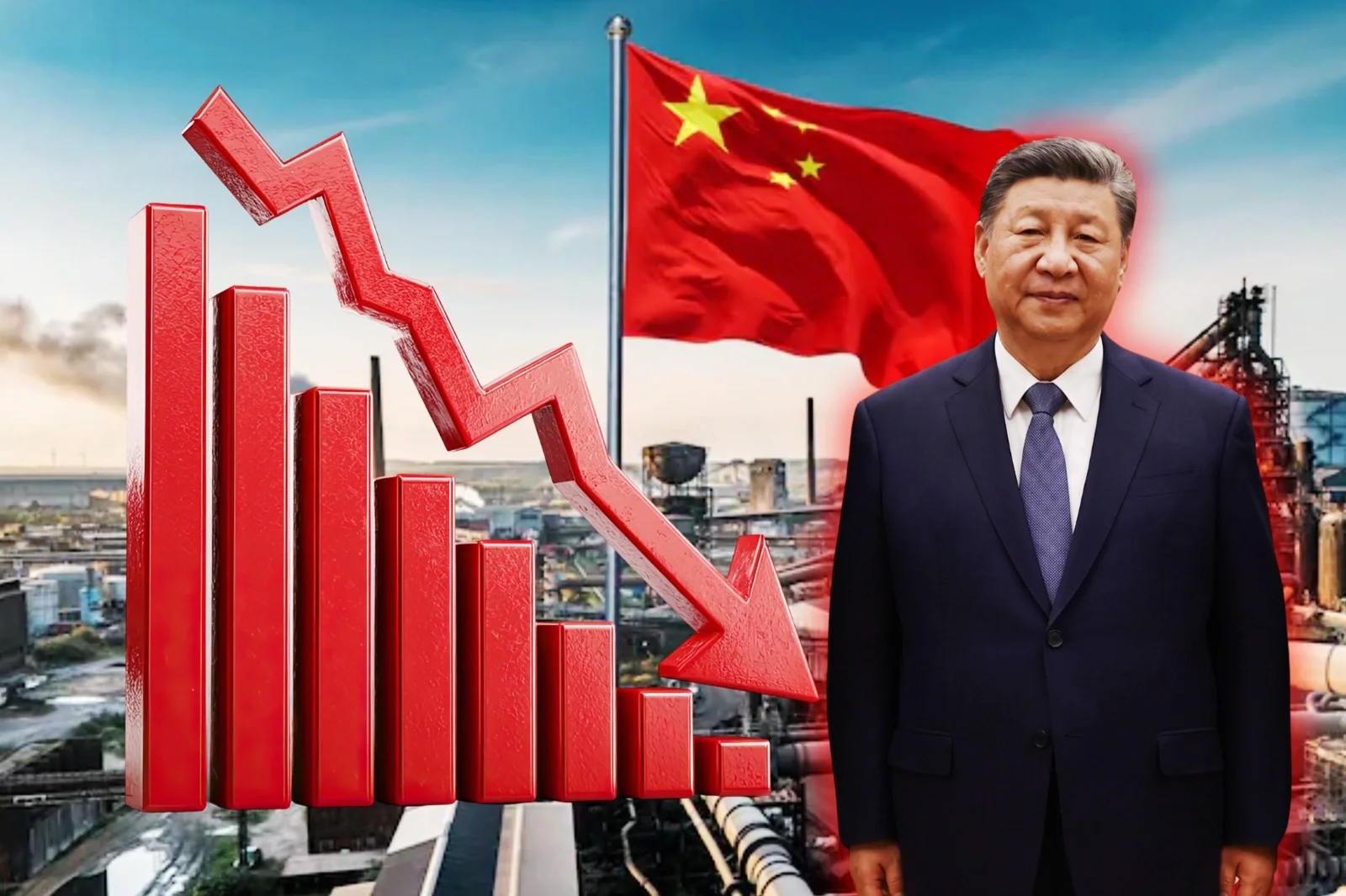
The communist dictator of China, Xi Jinping, publicly acknowledged several of the structural problems affecting the country that threaten to limit its economic growth in the coming years. This is a unique case as the Chinese Communist Party has censored any criticism of the crisis facing the Asian country for years.
Among the main challenges identified is the technological dependence on foreign countries, especially in strategic sectors such as semiconductors and advanced technology. China continues to face difficulties in achieving self-sufficiency in key areas due to restrictions imposed by the United States and other Western countries.
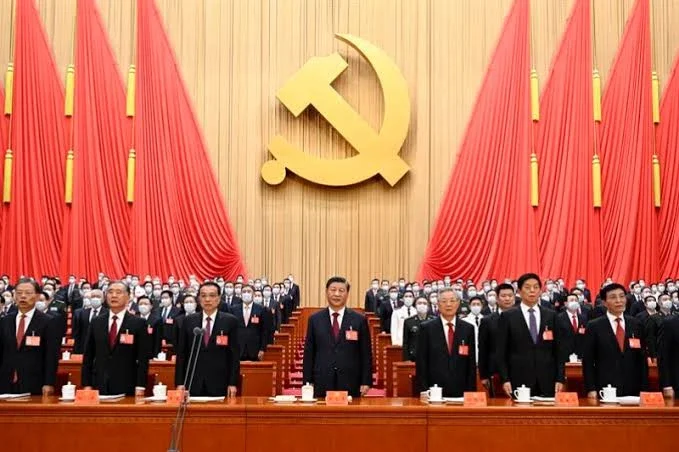
The headquarters of the Chinese Communist Party
Xi also admitted that the Chinese economy suffers from insufficient domestic consumption. Despite being an export powerhouse, much of the country's growth still depends on foreign sales and state investment, while household spending remains relatively low compared to other major economies.
Another recognized problem is the aging population. Low birth rates and increased life expectancy are progressively reducing the available workforce and increasing pressure on the pension and healthcare systems.
The leader also mentioned the difficulties arising from internal economic imbalances, including issues in the real estate sector and high levels of debt in local governments. These situations have raised concerns among economists due to their impact on future growth.
Additionally, Xi acknowledged the challenge posed by youth unemployment, which has become one of the country's main social concerns. Millions of young graduates are struggling to find employment in an economy that is growing at a slower pace than in previous decades.
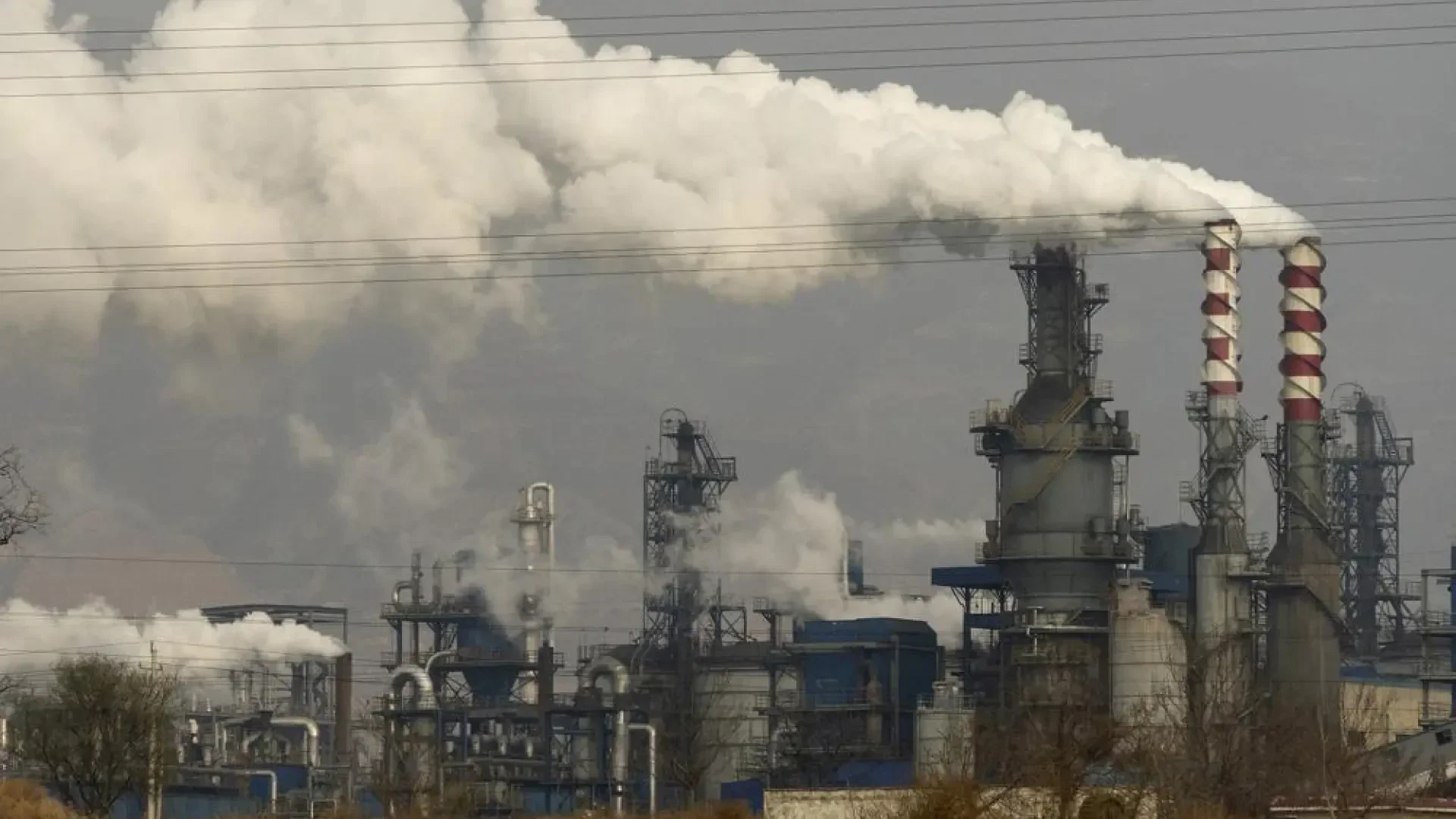
An industrial district in China
Despite acknowledging these problems, Xi attempted to assert that China will continue to work to strengthen its economy, boost technological innovation, and maintain social stability. His statements represent one of the most explicit admissions of the challenges facing the country, although the Chinese communist regime continues to defend that it has the necessary tools to overcome these difficulties.
The words of the leader of the Chinese Communist Party reflect that even the second-largest economy in the world faces significant obstacles on its path to growth and consolidation as a global power.