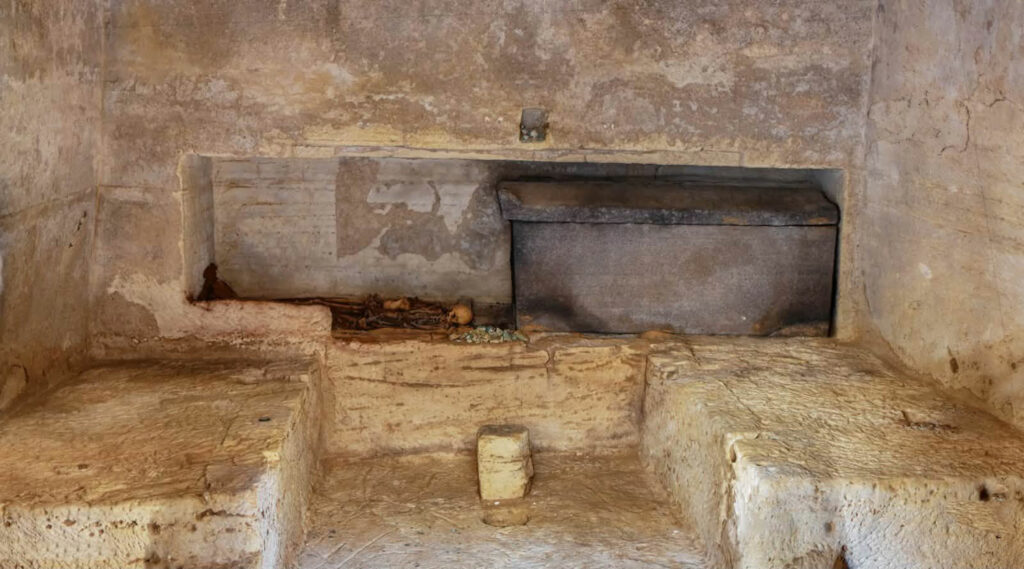

Near Alexandria, Egypt, a team of archaeologists unearthed 18 tombs at the site of Marina el-Alamein, an ancient coastal town of the Mediterranean. The find includes burials of different types: seven were located near the surface, while the other eleven were dug deeper.
Among the recovered objects is an offering altar with a base reminiscent of false doors, a classic element of ancient Egyptian funerary architecture. According to Hesham Hussein from the Egyptian Ministry of Tourism and Antiquities, “the false door is one of the oldest and most recognizable elements of ancient Egyptian funerary architecture.” This symbol represented the link between the world of the living and that of the dead, allowing the deceased to spiritually receive offerings.
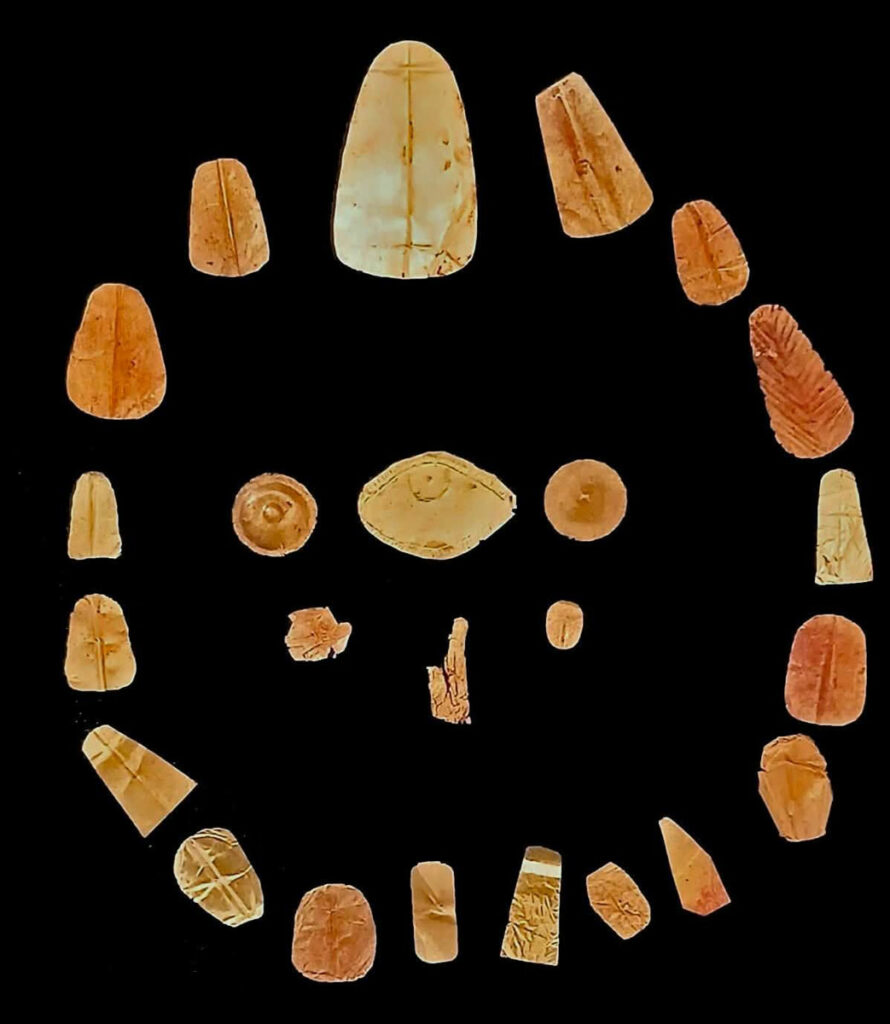
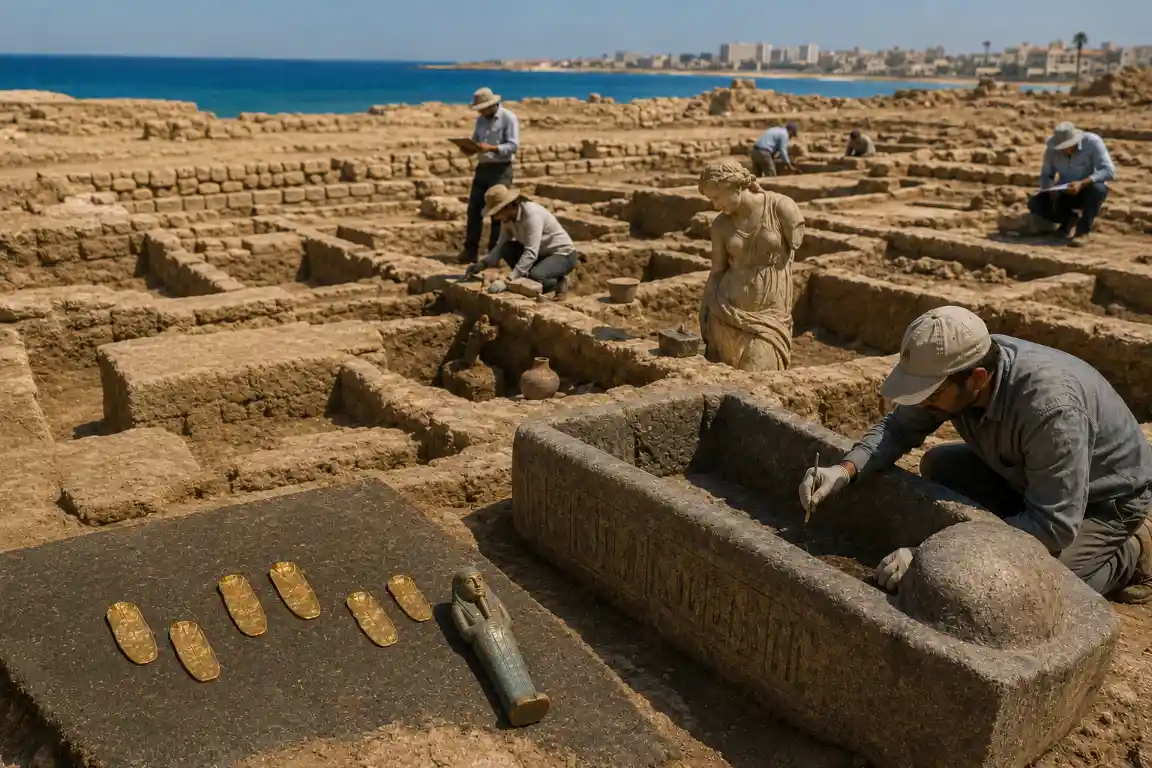
Additionally, researchers found more than 20 gold tongues within the tombs. Hussein explained that these pieces are typical of burials from the Ptolemaic and Roman periods in Egypt. “They are generally interpreted as symbolic funerary amulets intended to allow the deceased to speak in the afterlife,” he noted, especially during the judgment before Osiris or to recite sacred formulas.
Highlighted Artifacts from the Site
The team also recovered a granite sarcophagus measuring over two and a half meters long. Next to it was an unfinished statue of Aphrodite, the Greek goddess of love and beauty, reflecting the Hellenistic cultural influence in the area during that time.
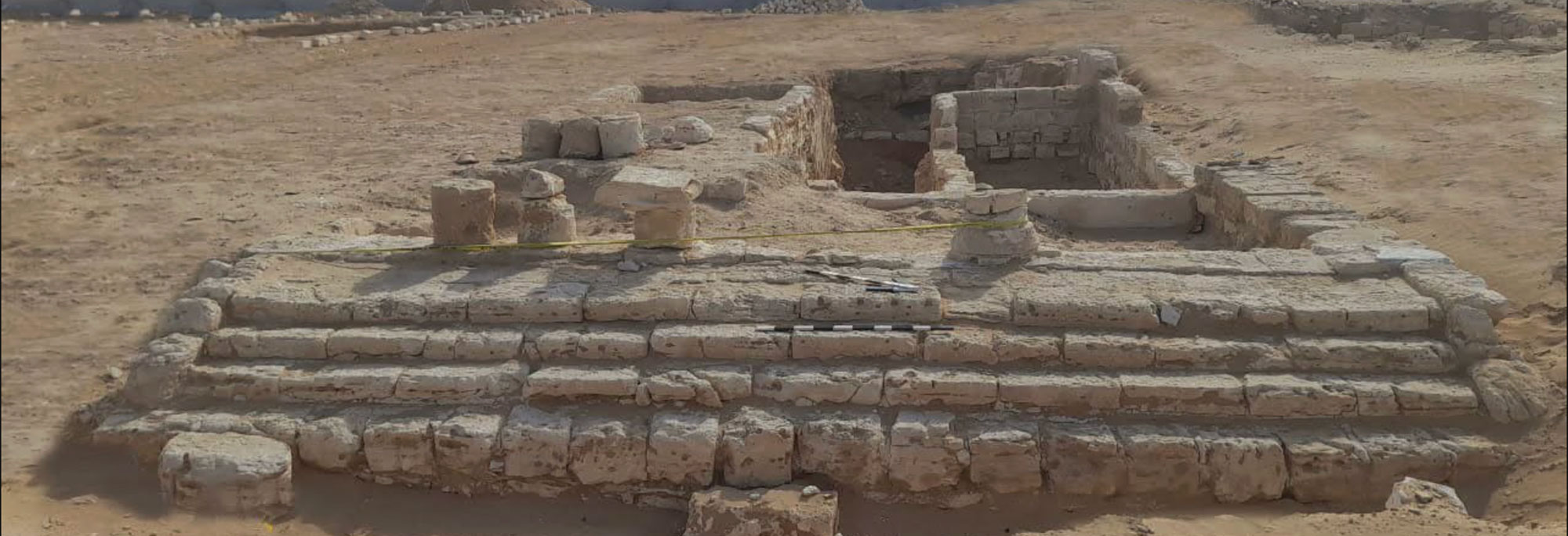
These discoveries provide new information about funerary customs in the ancient coastal city. Marina el-Alamein, located on the Mediterranean coast, was an important settlement that combined Egyptian traditions with Greek and Roman elements. The tombs reveal how the deceased were prepared for the journey to the afterlife, with symbolic objects intended to ensure their well-being in eternal life.
The false door, for example, was not only an architectural element but also played a key spiritual role in traditional beliefs. It allowed communication between existential planes, facilitating the delivery of offerings to the ancestors. Similarly, the gold tongues served a protective and enabling function in divine judgment.