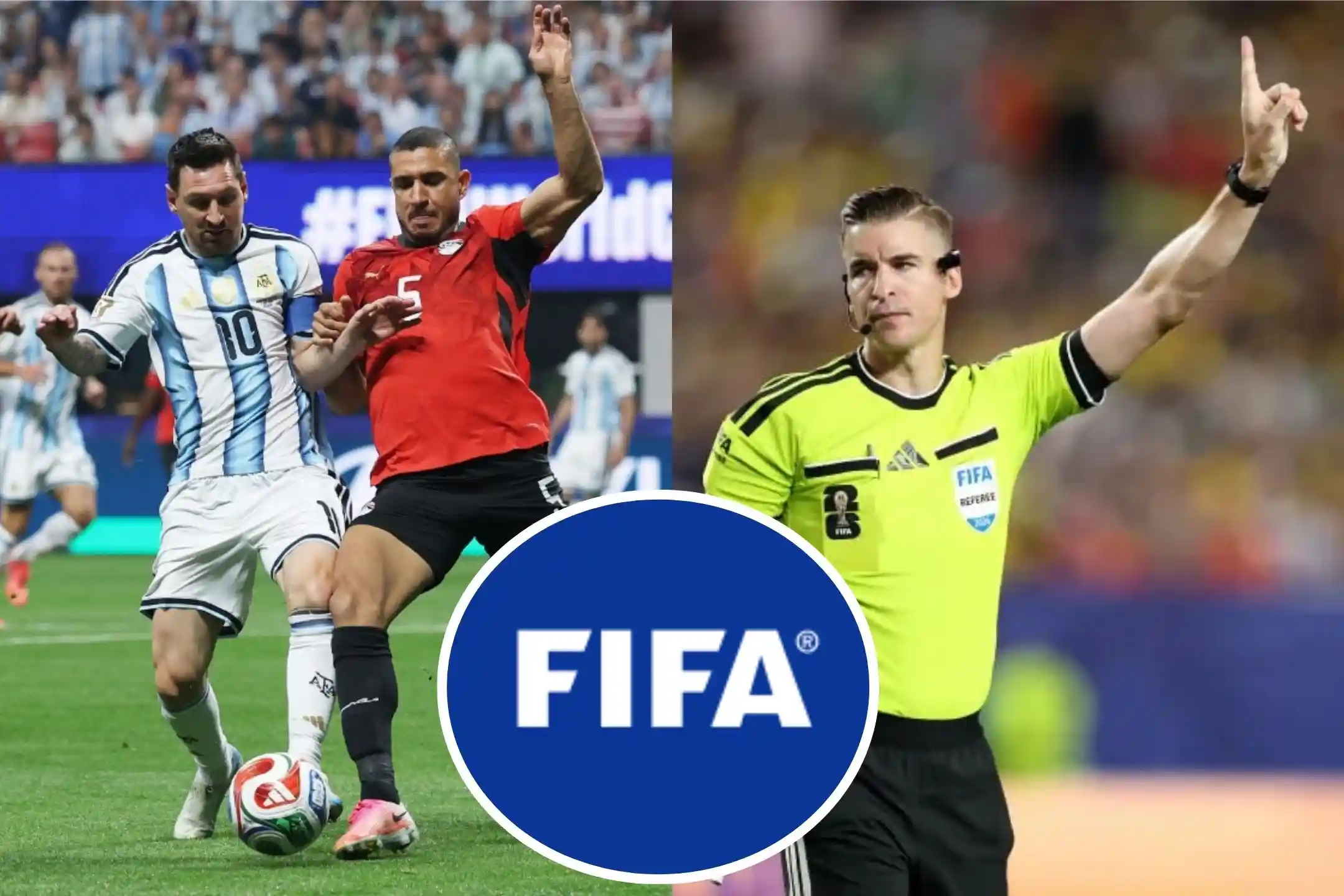
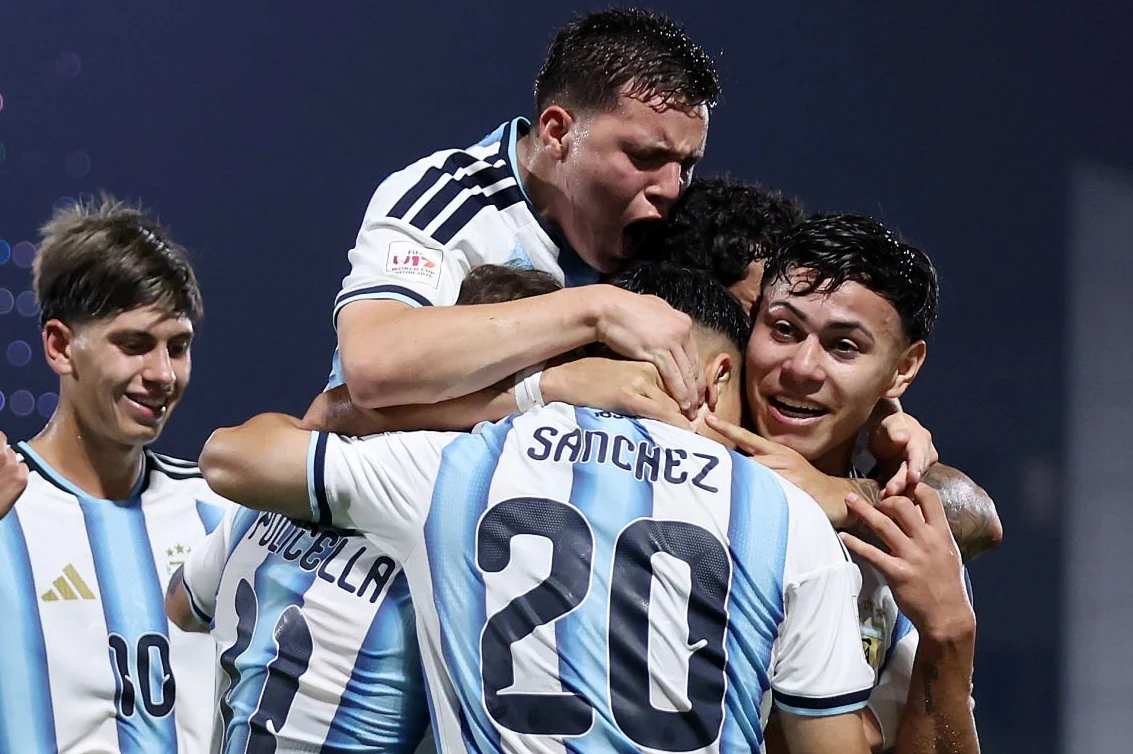
Refereeing decisions came under scrutiny again at the 2026 World Cup following Argentina's 3-2 victory over Egypt, a result that allowed Lionel Scaloni's team to advance to the quarter-finals after coming back from a two-goal deficit.
After the match, the Egyptian Football Federation issued a statement questioning the performance of French referee François Letexier and the VAR, overseen by Jérôme Brisard. The complaints focused on the disallowance of a goal by the African team and an alleged foul by Julián Álvarez on Mohamed Salah in the play that led to Argentina's third goal.
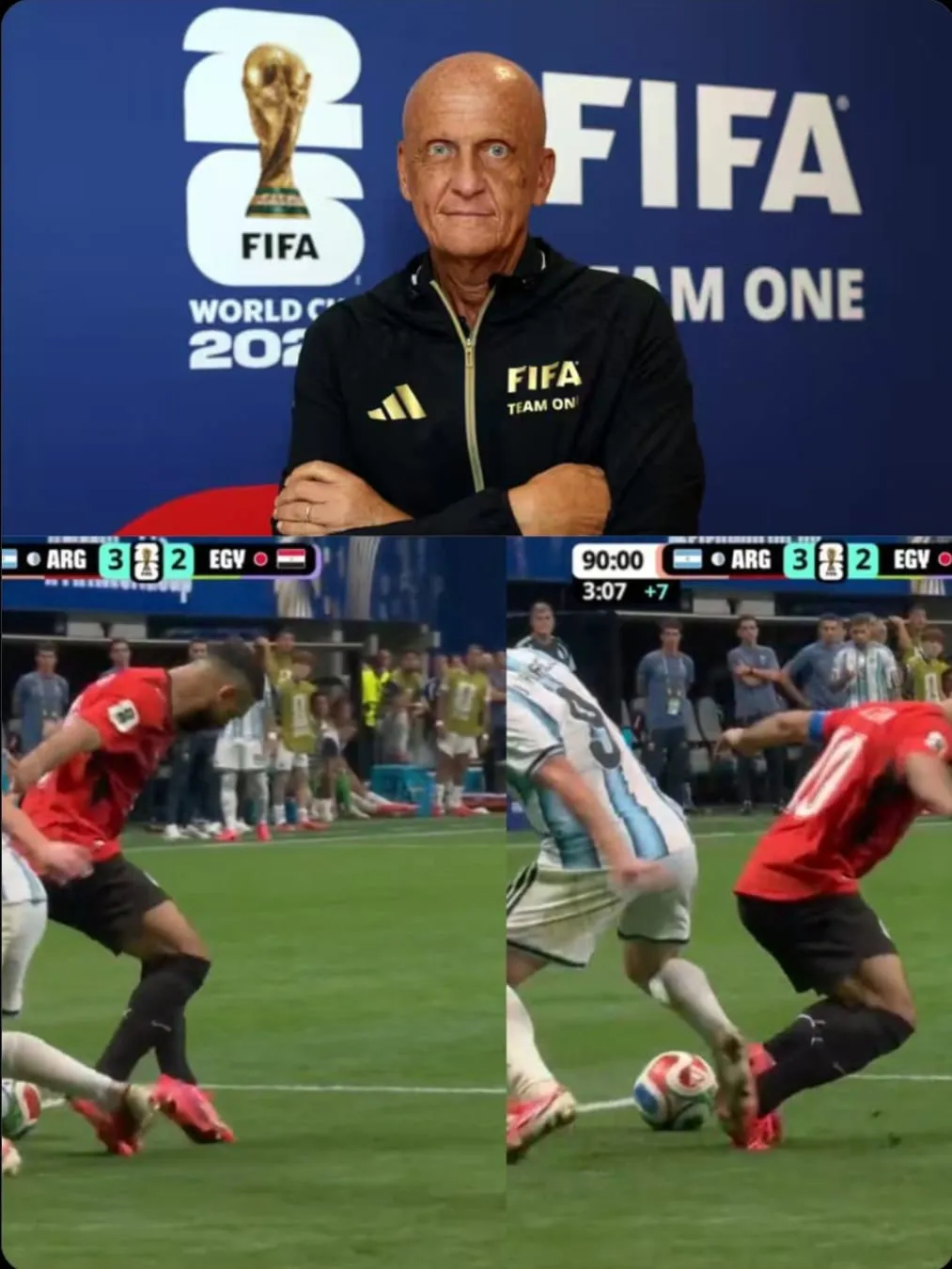
In light of the controversy, FIFA decided to take a stance. The director of the Refereeing Division of the organization, Pierluigi Collina, publicly defended the work of the refereeing team during an interview with the official site of the entity.
Without directly mentioning Egypt's statement, the former Italian referee acknowledged that the match generated debate and explained the criteria used in the actions that sparked the most controversy.
Regarding the disallowed goal for the African team, Collina recalled that the VAR protocol states that the entire offensive sequence leading up to a goal must be reviewed.
In that sense, he supported the decision to sanction the foul by Marwan Attia on Lisandro Martínez, considering that there was a prior foul.
"Stepping on an opponent's foot is a foul," Collina explained, adding that there is no specific time limit to review an action if it is part of the same offensive phase that ends in a goal.
The Italian official also responded to criticisms regarding the play that led to the goal scored by Enzo Fernández, an action in which Egypt claimed a prior foul by Julián Álvarez on Mohamed Salah.
As Collina explained, both the referee and the VAR agreed that the contact between the two players was a normal contest for the ball and not a foul. "If no foul is identified in the play leading up to the goal, the VAR does not intervene," stated the FIFA refereeing chief.