The Ninth Circuit Court of Appeals of the United States rejected a lawsuit filed by California and a gun control advocacy group seeking to impose stricter federal rules on so-called ''ghost guns,'' firearms without serial numbers that can be difficult for authorities to trace. The ruling represents a setback for the strategy of California's Democratic government, which had attempted to use federal courts to expand restrictions on this type of weapon.
The court, based in San Francisco, ruled unanimously 3-0 and overturned a previous decision by a lower federal court that had favored the plaintiffs. The judges determined that California and the Giffords Law Center did not demonstrate having suffered a concrete and verifiable harm as a result of a regulation adopted in 2022 by the Bureau of Alcohol, Tobacco, Firearms and Explosives (ATF).
The dispute centers on an ATF rule that established when certain receivers or partially finished frames must be legally considered firearms. According to the regulation, some components sold along with tools or devices intended to facilitate their manufacture are subject to federal laws. However, unfinished parts sold separately remain outside certain regulations.
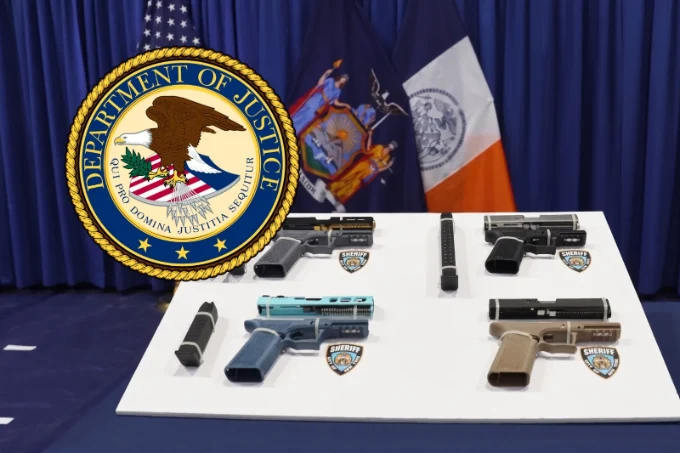
The U.S. justice system ruled against California in a lawsuit regarding "ghost guns"
California and Giffords argued that this distinction created a gap that allowed access to components used to manufacture guns without the same controls applied to traditional firearms. The state government further argued that the situation increased costs for authorities and forced California to accelerate its own legislative efforts to combat the proliferation of these weapons.
The judges rejected those arguments as insufficient to demonstrate standing. The opinion, written by Circuit Judge Consuelo Callahan on behalf of Judges Holly Thomas and Anthony Johnstone, noted that the plaintiffs could not base their case solely on general risks or problems that already existed before the ATF adopted its regulation.
The court emphasized that the Constitution sets limits on the role of federal courts and that plaintiffs must demonstrate a concrete harm to challenge a government action. In California's case, the judges determined that the state did not prove that the federal regulation had directly caused additional expenses for training law enforcement or accelerating its legislation on ''ghost guns.''
Judge Consuelo Callahan, of the Ninth Circuit Court of Appeals, issued the opinion
The decision also questioned Giffords' arguments, which claimed that the ATF regulation had impacted its mission and forced the group to allocate more resources to combat the proliferation of guns. According to the judges, that connection was too speculative and did not reach the level of harm necessary to justify judicial intervention.
The ruling represents a defeat for California's Democratic government, which for years has pushed some of the most restrictive gun control policies in the country. The decision also highlights the limits Sacramento faces when trying to use federal litigation to impose broader interpretations of national gun laws.
The case takes on greater significance because it comes just days after another court decision regarding the same regulation, albeit from a completely different perspective. Federal Judge Reed O’Connor, from the Northern District of Texas, determined that the ATF's 2022 rule violated the constitutional rights of the plaintiffs related to the Second Amendment.
The groups ''Defense Distributed'' and ''Second Amendment Foundation'' had argued that Americans have a historical tradition of privately manufacturing firearms and that the regulation was unconstitutionally vague in determining when a piece of metal or plastic becomes a regulated firearm.
O’Connor issued a limited injunction to the plaintiffs in that case, meaning that the regulation remains in effect for the rest of the country. The federal government could appeal to the Fifth Circuit, although it is still unclear whether the Trump administration will challenge the ruling.
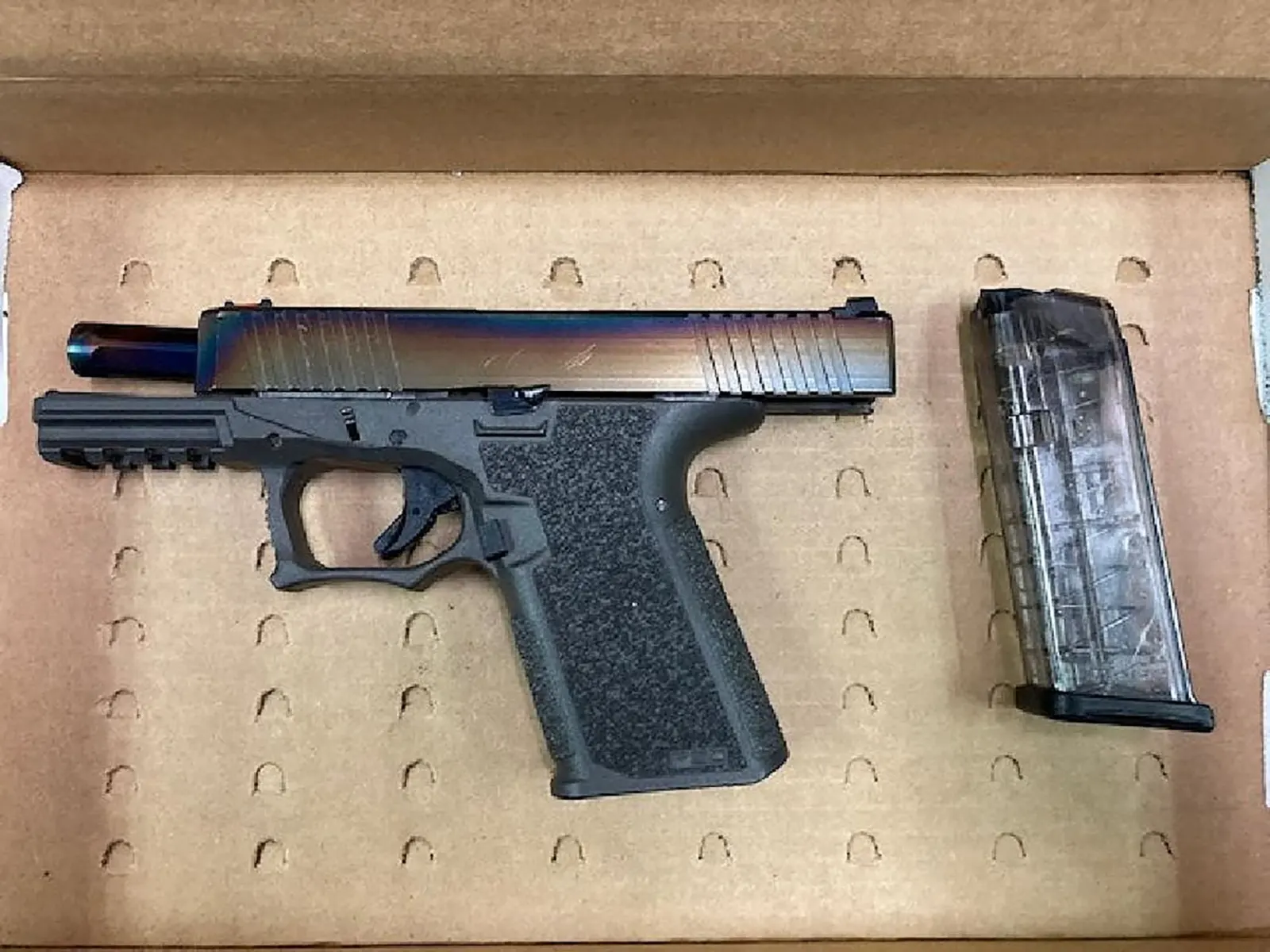
Ghost guns are firearms without serial numbers, which the Democratic government of California has been trying to restrict for a long time
The legal landscape is particularly complex because in March 2025 the Supreme Court had upheld the ATF's authority to issue this regulation in a separate case. Therefore, the new decisions open another chapter in the dispute over how far the federal government can go in regulating components used to manufacture firearms.
As California evaluates its next steps, the Ninth Circuit ruling represents a significant blow to the efforts of its Democratic authorities to judicially expand restrictions on ''ghost guns,'' while maintaining, for now, the federal framework established by the ATF.