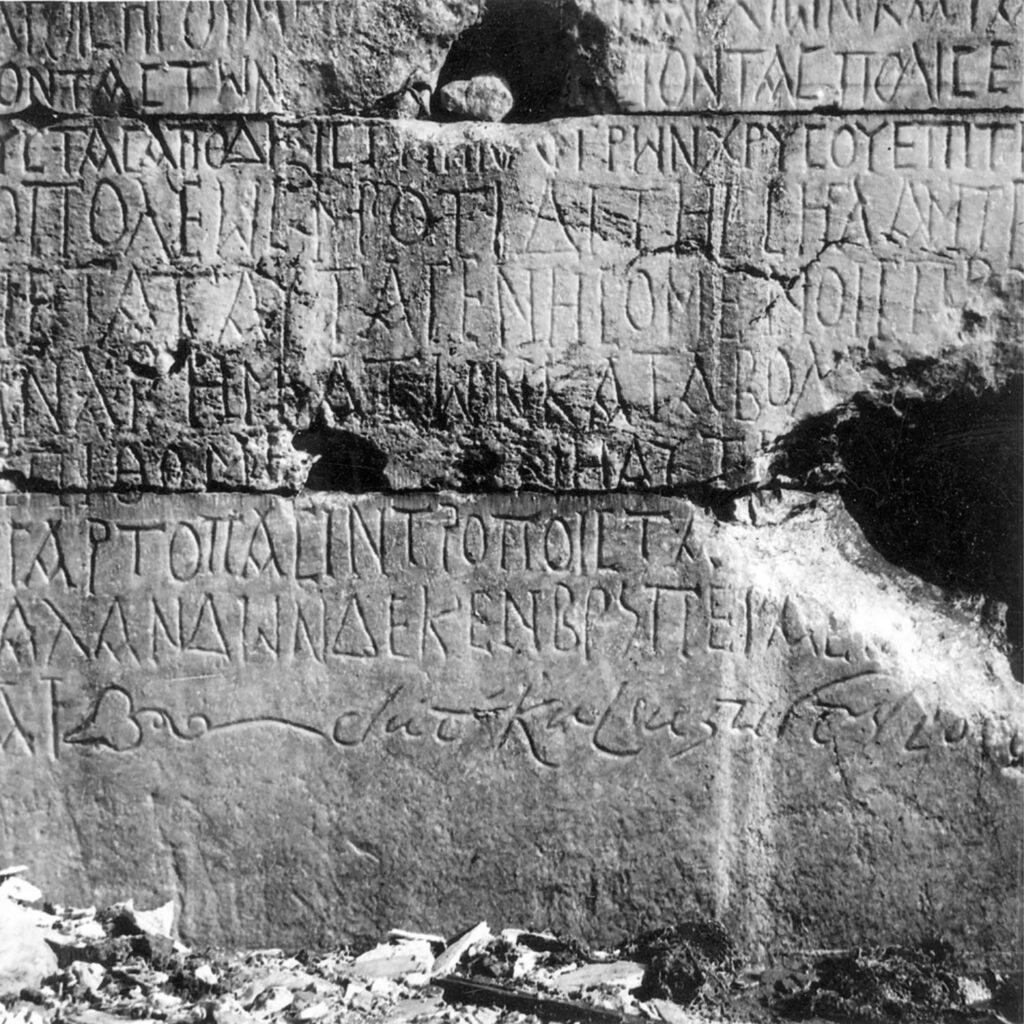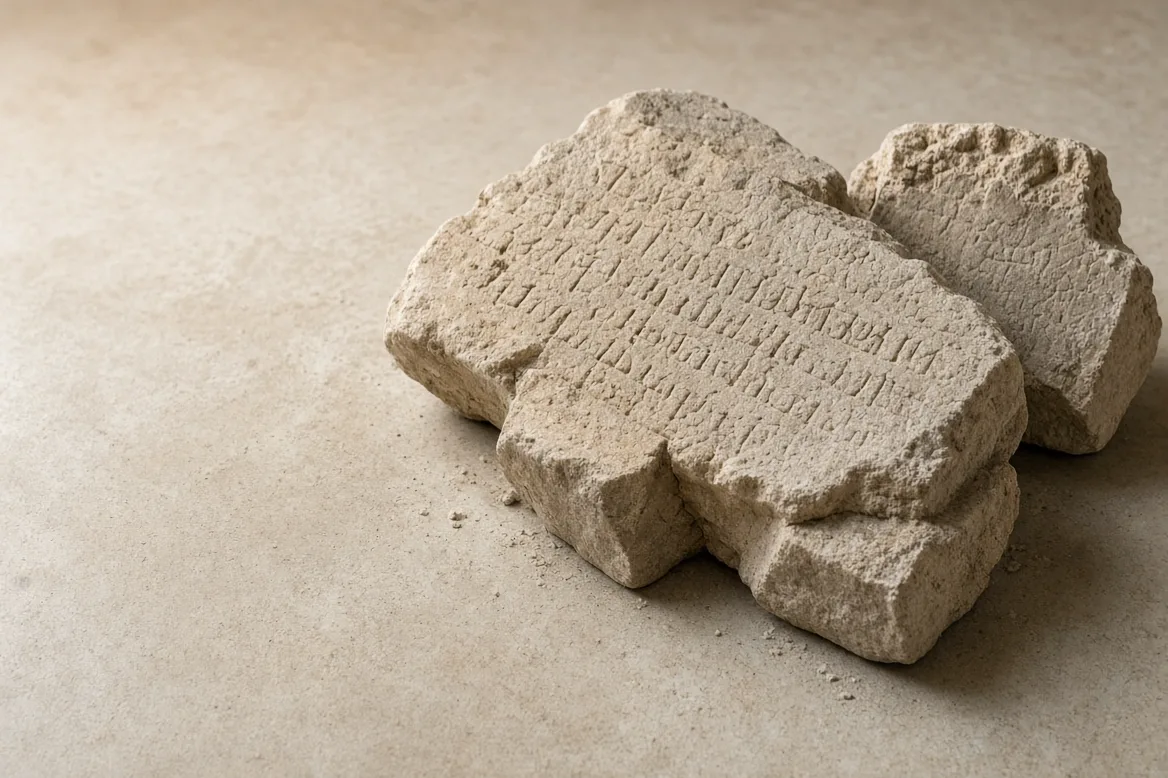

New fragments of a fifth-century inscription provide fresh details about an episode of tax corruption in the final stage of the Roman Empire The remains were recovered in the city of Stratonicea, located in the ancient province of Caria, in what is now Turkish territory
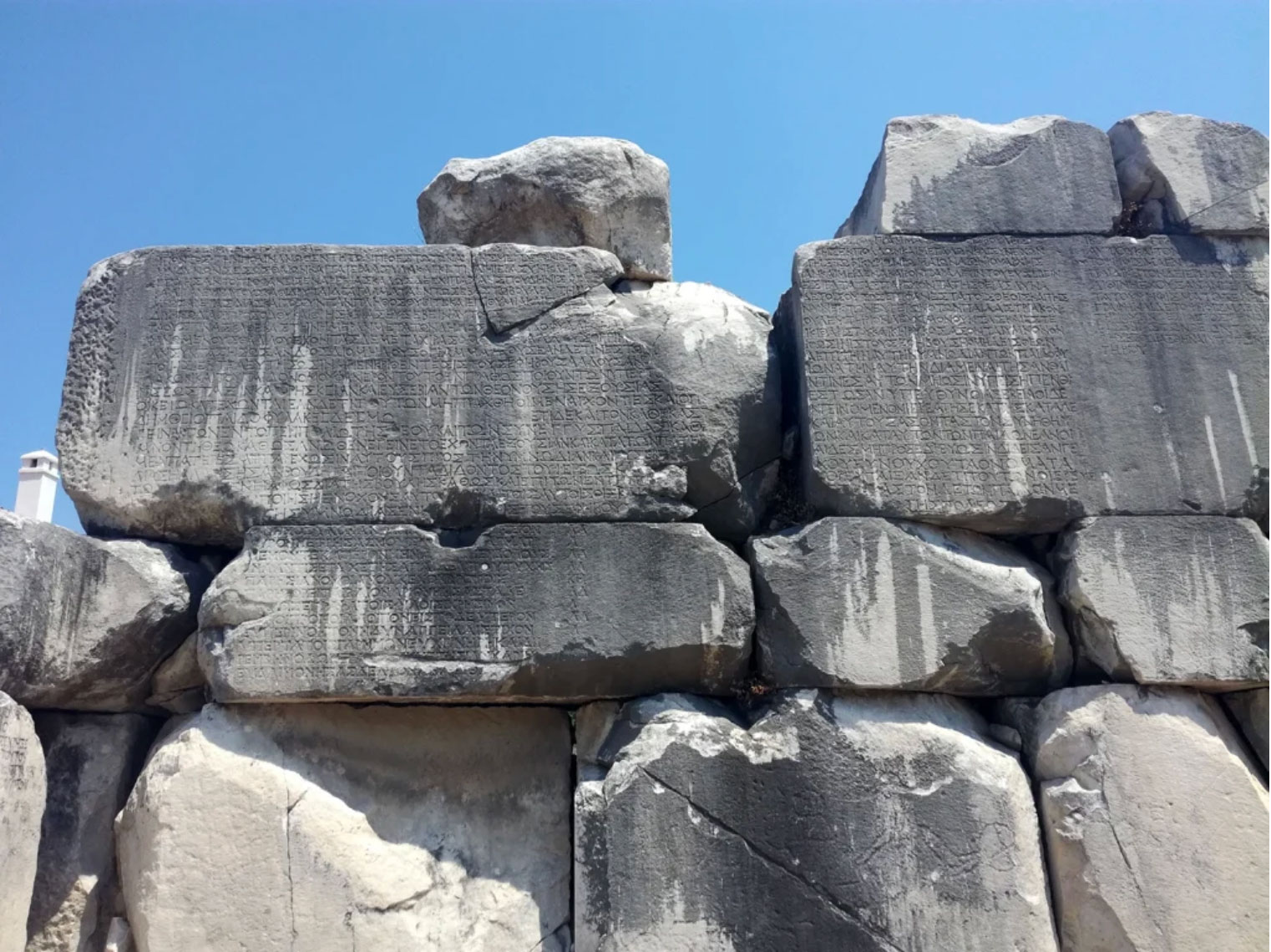
Parts of this legal document had been known since the eighteenth century thanks to copies circulating in various cities of Anatolia The analysis of the newly found pieces allowed for the reconstruction of missing sections and a better understanding of the extent of the fraud
For fifteen years, tax collectors in Caria reported amounts lower than what they actually collected The difference remained in their hands and allowed them to enrich themselves illegally The scheme continued until the news reached Constantinople
On August 1, 480, Flavius Illo Pusaeo Dionysius, then prefect of the East's praetorian guard, issued a decree to put an end to the situation The order mandated the sending of a special commissioner to the region with a strict three-month deadline to resolve the case
An exceptional sanction for the time
The decree established the death penalty for those found guilty of fraud This was an especially severe measure, as other contemporary records indicate that the usual penalties for such crimes were limited to heavy fines
The decision to impose such a drastic punishment reflects the seriousness with which the central authorities perceived the fiscal harm and the need to send a clear signal to other provinces The document also shows the concrete functioning of the imperial administration at a time of political and economic tensions