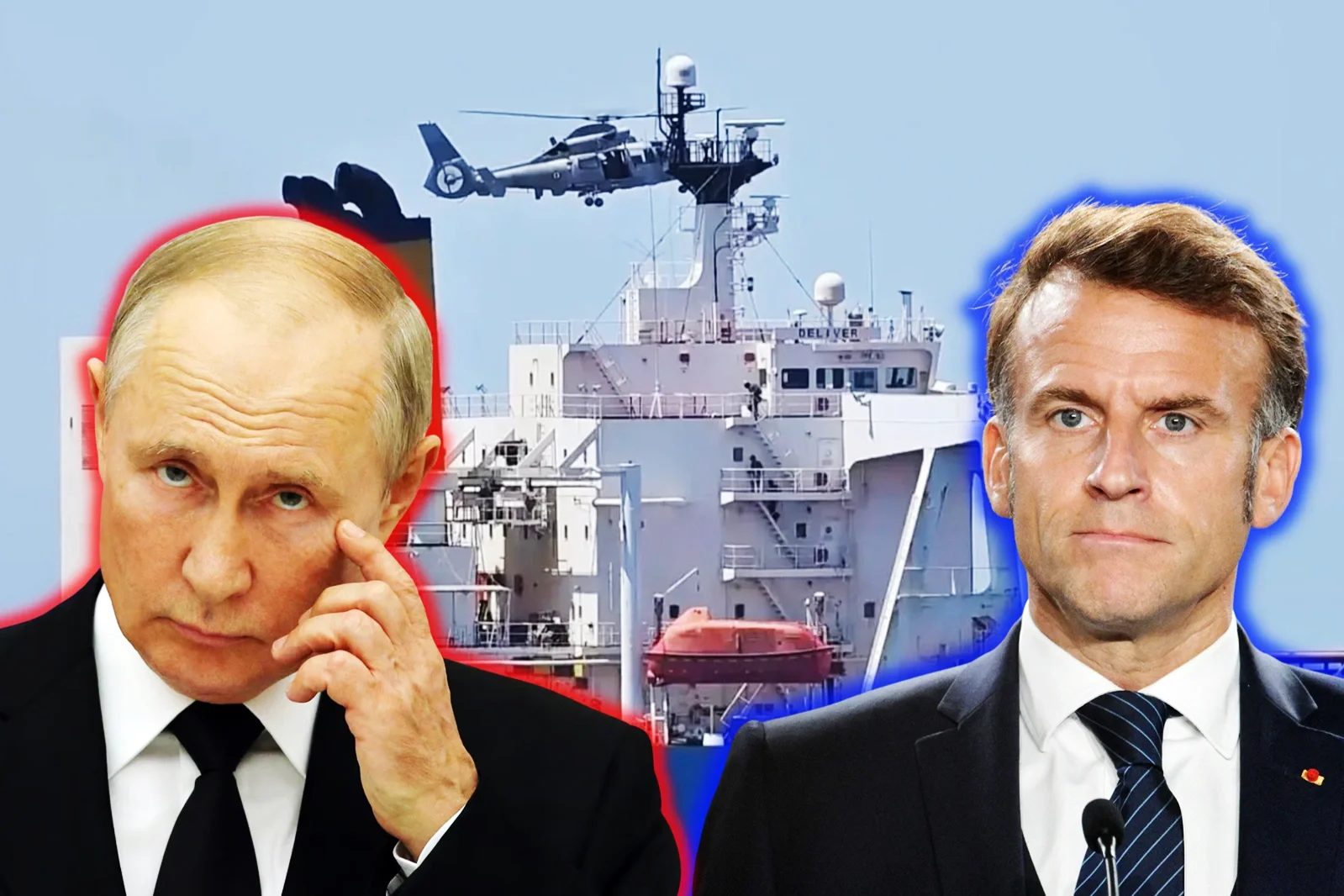
President Emmanuel Macron confirmed that the French Navy boarded a vessel suspected of transporting Russian oil in violation of international sanctions
France announced a new operation against the so-called “ghost fleet”, after the French Navy intercepted and boarded the tanker Deliver off the coast of Sicily. President Emmanuel Macron reported that the vessel was detained for alleged violations of international maritime law and for its possible involvement in mechanisms aimed at evading Western sanctions imposed on Russia due to the war in Ukraine.
As Macron explained, the operation was carried out on Tuesday by French naval forces while the ship was transiting the Mediterranean. Authorities suspected that the vessel was sailing under irregular documentation and using common mechanisms of the so-called “ghost fleet”, a network of tankers used to transport Russian crude while avoiding international restrictions.
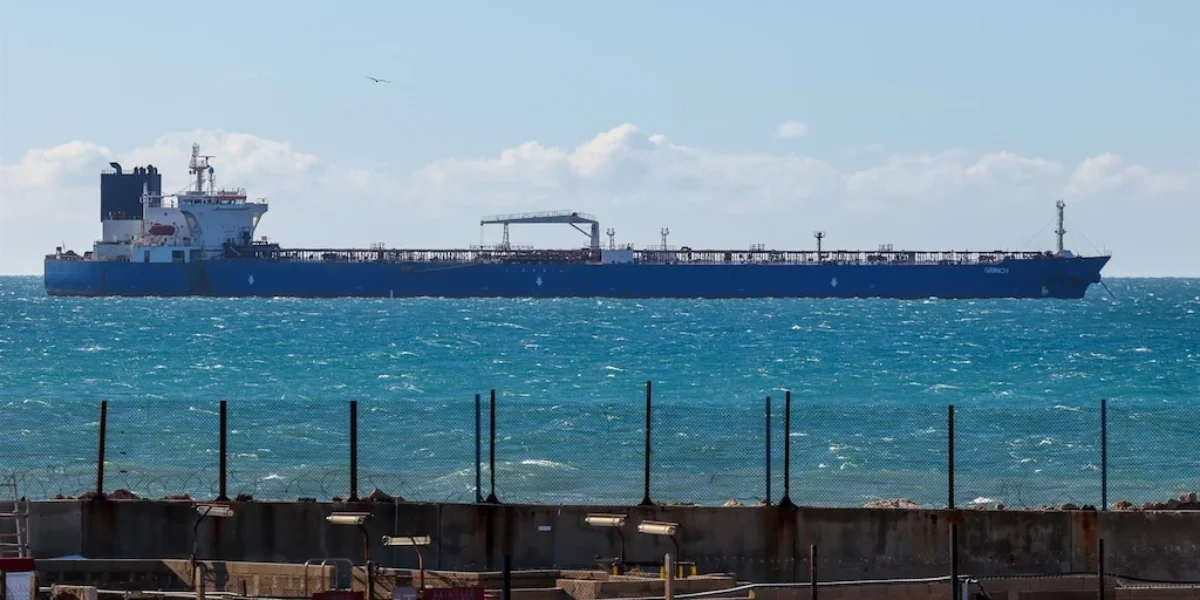
The Russian tanker Deliver
The tanker, which was operating under a Cameroonian flag, had departed from the Russian port of Primorsk and was heading to Asia when it was intercepted. Preliminary investigations indicated possible irregularities in the vessel's registration, which prompted inspection by French authorities.
Macron stated that the operation demonstrates European determination to prevent Russia from continuing to finance its military effort through oil exports conducted outside the sanctions. “We will not allow the ghost fleet to evade sanctions and finance the Russian war,” declared the French president.
The interception occurred just days after a similar action carried out by the United Kingdom in the English Channel. In recent weeks, several European countries have increased maritime controls over vessels suspected of being part of this network used to transport Russian oil through frequent flag changes, opaque business structures, and hard-to-trace documentation.
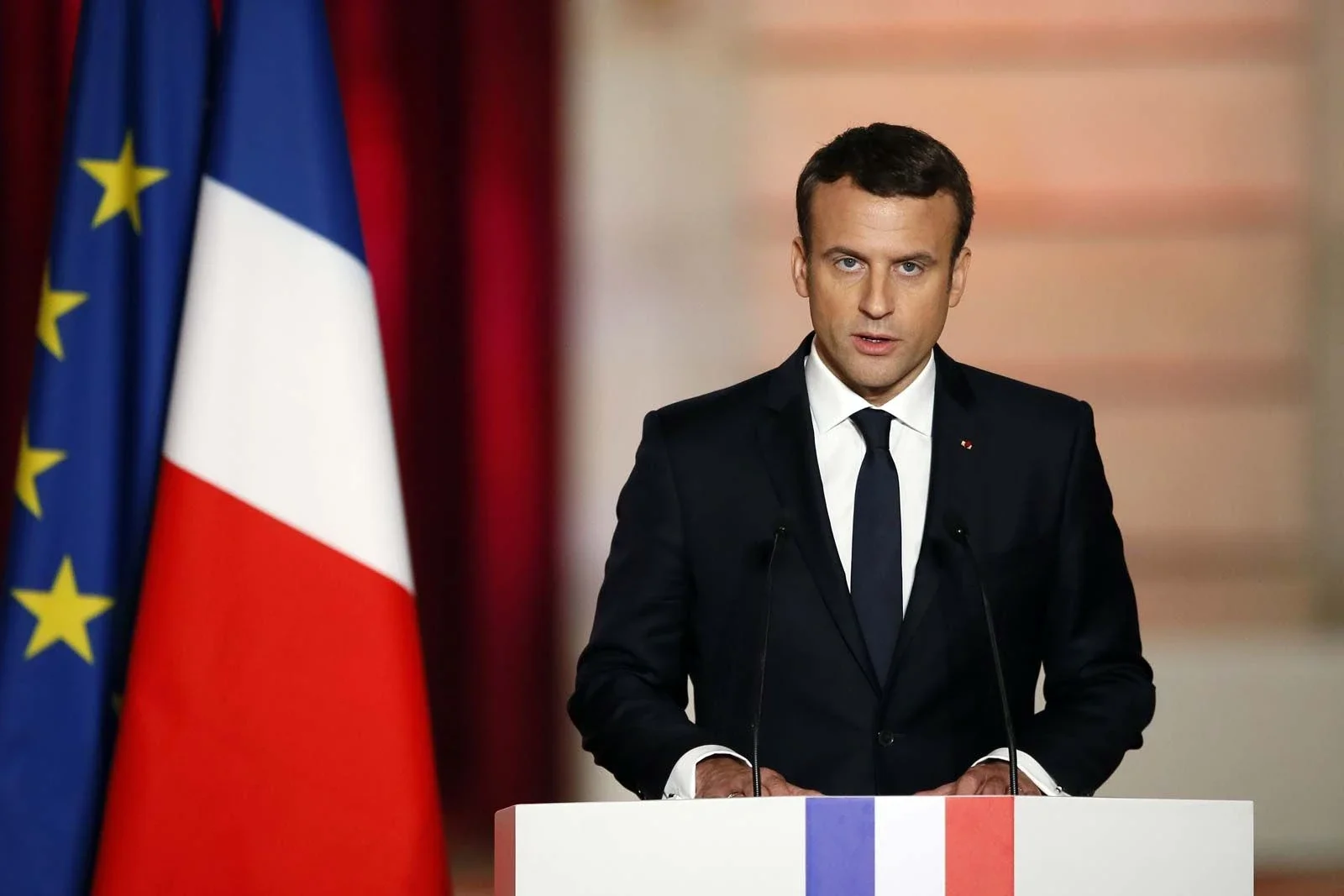
French Prime Minister Emmanuel Macron
According to data from European authorities, this is the fifth operation of this kind carried out by France in recent months and is part of a broader strategy to strengthen the enforcement of economic sanctions against Moscow. The European Union believes that hundreds of ships continue to participate in systems aimed at maintaining the flow of Russian energy exports despite the existing restrictions.
The measure was criticized by Russia, whose representatives described such actions as illegal. However, Paris maintains that inspections are conducted within the framework of international maritime law and will continue as long as there are suspicions of sanction evasion.